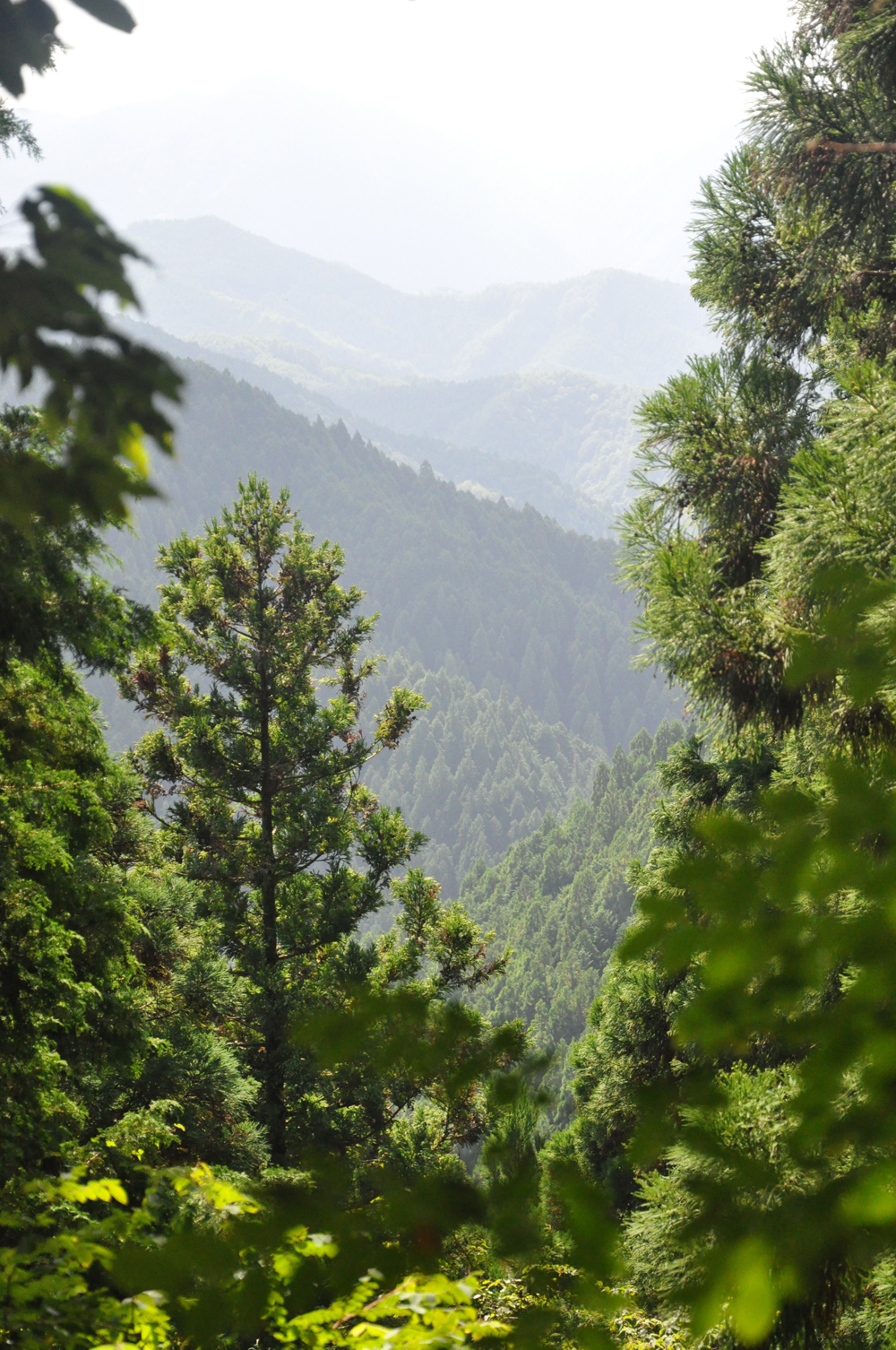
Koyasan Japan is situated in a bowl-like valley atop an eight-peak circle of mountains which are said to resemble a lotus blossom. It was in this location that the monk Kukai sought to retreat from the imperial court and establish a home for the blossoming sect of Shingon Buddhism. Nonetheless, he was often summoned to the court to perform national rituals, give advice, or to establish temples on behalf of the emperor.
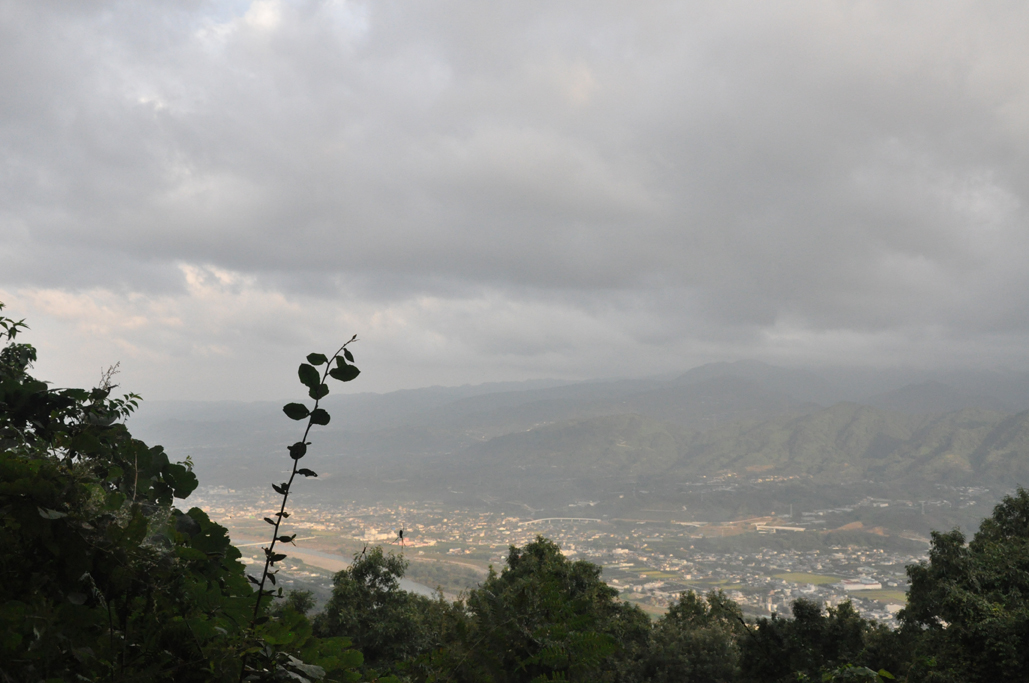 Sometimes the emperor went to Kukai. In the days when the capitol of Japan was in Nara and the emperor wanted to make the pilgrimage to Koyasan his retinue would float down the Kinokawa River from Nara to Kudoyama. There they would disembark and make the 24km trek up and over the rim of the ridge into Koyasan and the Garan, or temple complex, where Kukai lived.
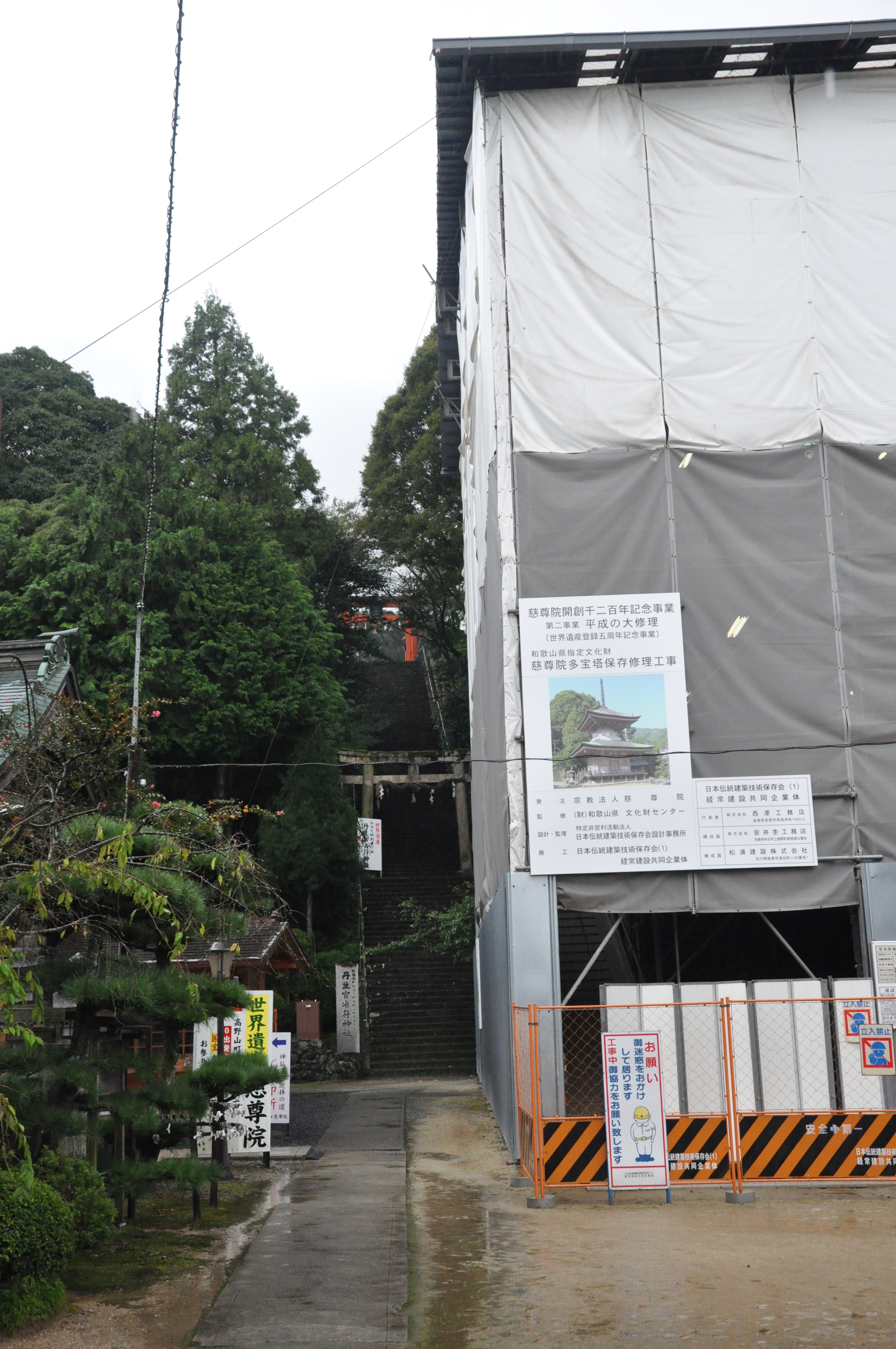
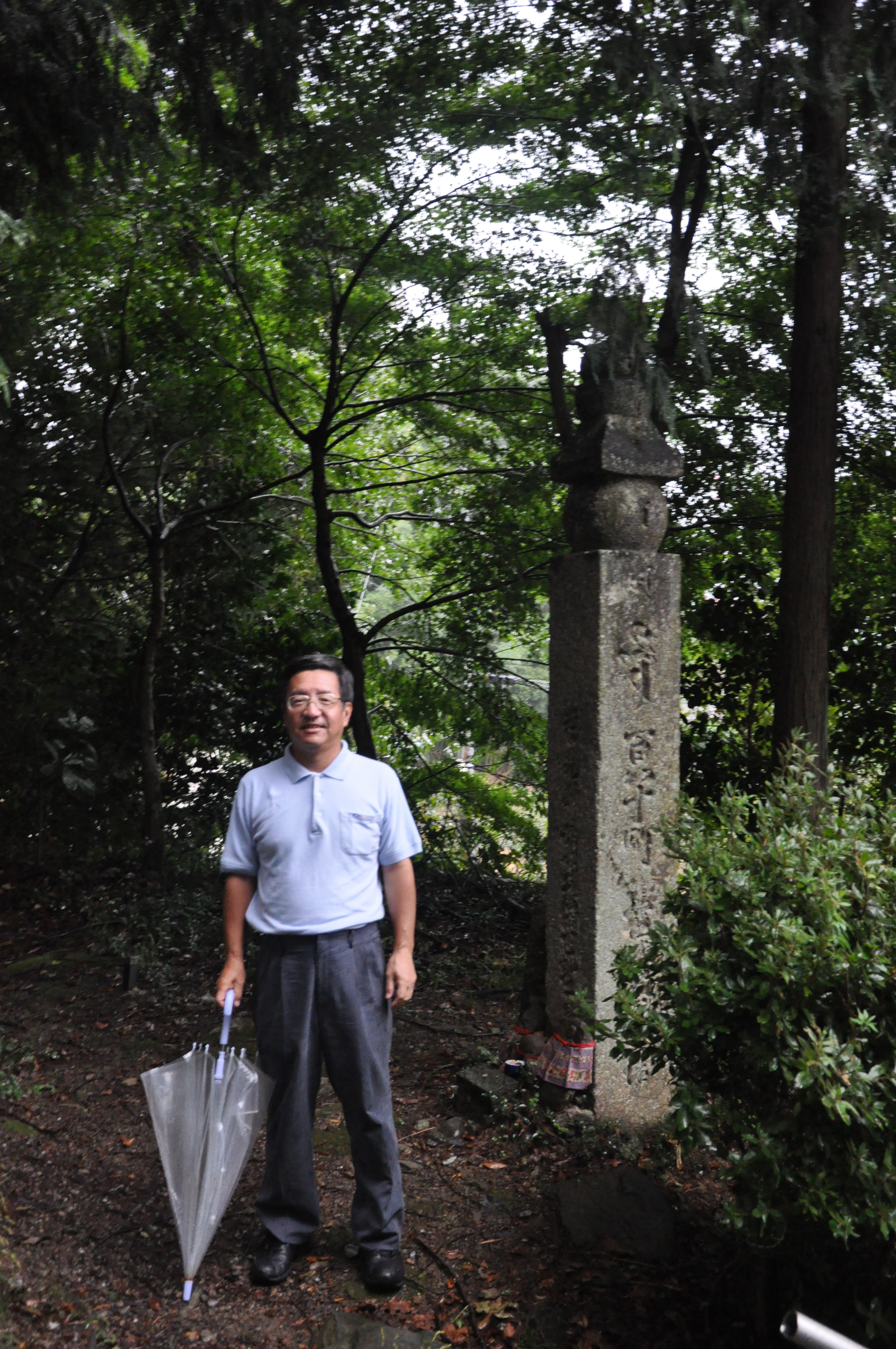
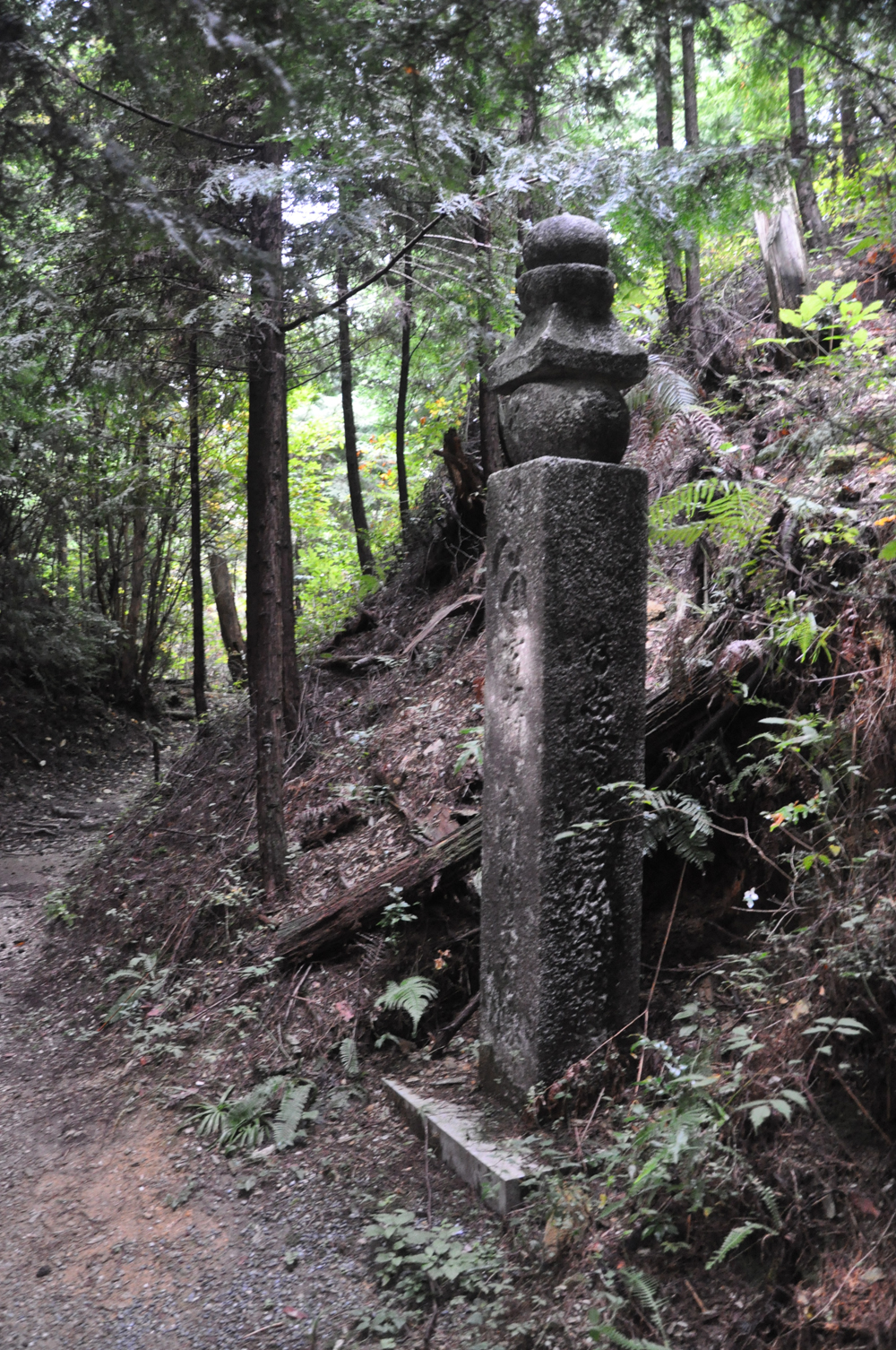
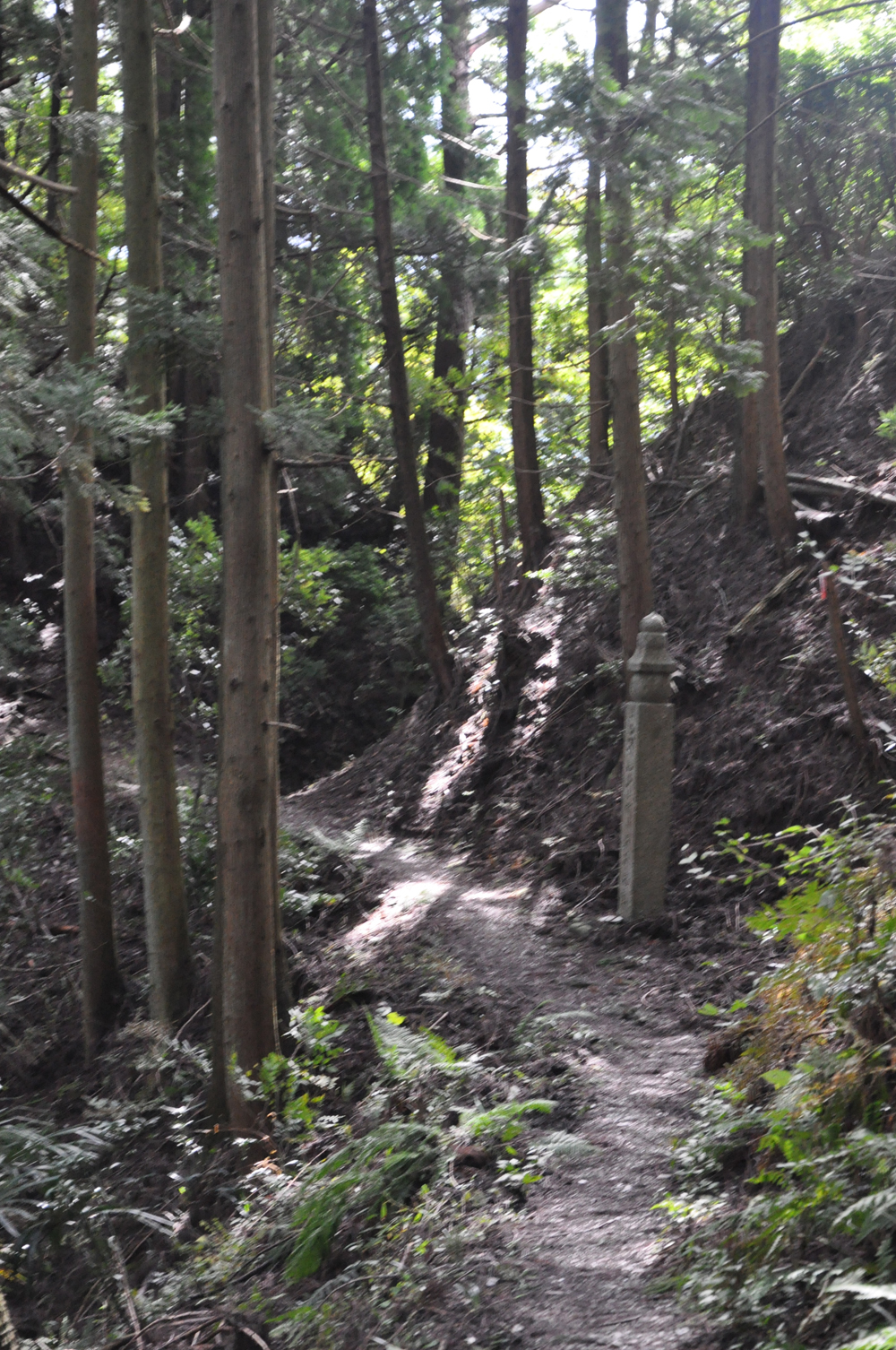
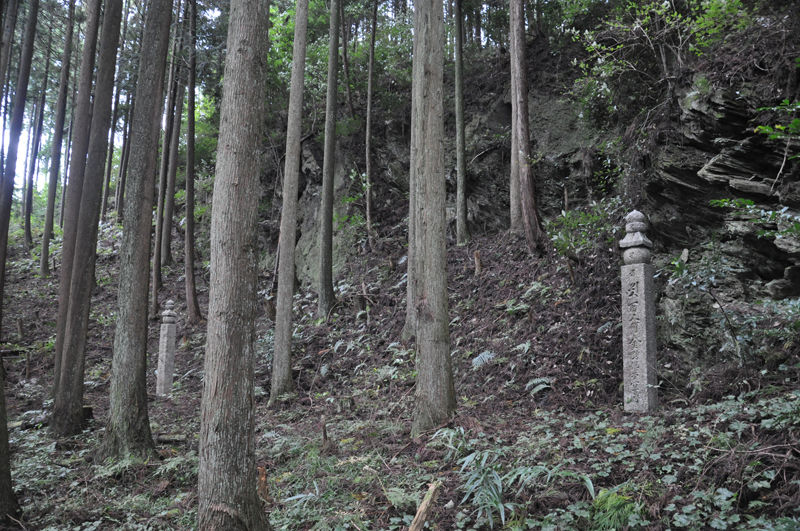
Over the centuries this trail became an established route for pilgrims who erected stupas, small wooden pagodas representing the deities of Shingon Buddhism, to mark the trail. The wood stupas deteriorated over time and pilgrims donated more permanent granite markers. As previously mentioned, two symbolic representations in the form of mandalas are central to Shingon ritual: the Diamond Realm and Womb Realm mandalas. Each represents a set of divinities or boddhisatvas as they are related to the cosmic buddha, Dainichi Nyorai. From Kudoyama to Kukai's tomb in the Okoinoin cemetery at the other end of Koyasan, each deity is represented by one of these markers at regular intervals. Pilgrims on their way to the holy sites of Mt. Koya ask these divinities for their assistance in making the journey.
During one of the initiation rituals of Shingon a practitioner's bond with one of these divinities is established or identified.
The Choishimichi pilgrimage, as it is called in Japanese, is one of two trails recognized by UNESCO as a World Heritage Site. The other is the El Camino de Santiago in Spain. Someday I will perhaps embark on the other, but my rationale for taking the Choishimichi route is maybe complex. Last year I wanted to do the hike but wasn't in good enough physical shape, and it was mostly just a curiosity. After visiting Koyasan I sensed a deeper awareness of a mostly indescribably process unfolding in my life. While I wouldn't have called myself an adherent of Shingon Buddhism, I recognized similarities with the contempletative traditions within the Catholic Church with which I desired to reconnect. It became clear that any preparations and the journey itself would be a physical expression of devotion, but that it would also be a journey deeper into my self and into God as I understand these.
 Since I hadn't been physically ready for the trek, there was a lot of preparation with many goals to accomplish. It was necessary to find GPS maps in English since I wasn't sure how well the trail would be marked. None of the maps I had seen were nearly adequate for a hike like this which includes changes in altitude and switchbacks in remote woods. I doubted many signs would be in English. What kinds of critters could I encounter? The biggest set of factors to contend with were my own: physical stamina and my brain. So I began to physically condition and watch my diet. I began to swim distances on Memorial Day and worked up to a routine of swimming a mile every other day by a week before the trip. I knew I'd be ready aerobically but didn't have time, as well, to do a regimen of walking so I planned on walking twelve miles per day when I arrived in Japan. What began as urban hiking (walking around a city) also included hiking small mountains in Nagasaki and Nara which are also detailed here. I mapped out routes where I could easily get out of the woods if weather turned bad or I didn't have enough stamina.
It's an understatement to say that I had some doubts. I had my gear and provisions but this would be my biggest hike ever and it would take place in a foreign country where I don't know the language. Most people I talked to in Japan didn't know this even existed. Right until the time I arrived in Kudoyama the night before I thought I'd only do part and hike out and catch a train for the remainder. Or maybe I'd just take the train, period. My GPS got me to where I was staying in Kudoyama, and there I met my generous and capable host Akira. The keeper of an authentic Japanese Ryokan, Akira took his host duties very seriously, especially since he rarely encounters Americans. When I got to his place he sat me down and showed me a video of the hike and gave me a detailed topographic map with all the trails clearly marked in English. He answered my questions over tea and persimmon, which from Kudoyama is the best in Japan. It's even better out of someone's back yard. When everything matched up with what I planned he took me to seethe start of the trail, to get provisions, and finally to my first onsen bath. I was ready to go.
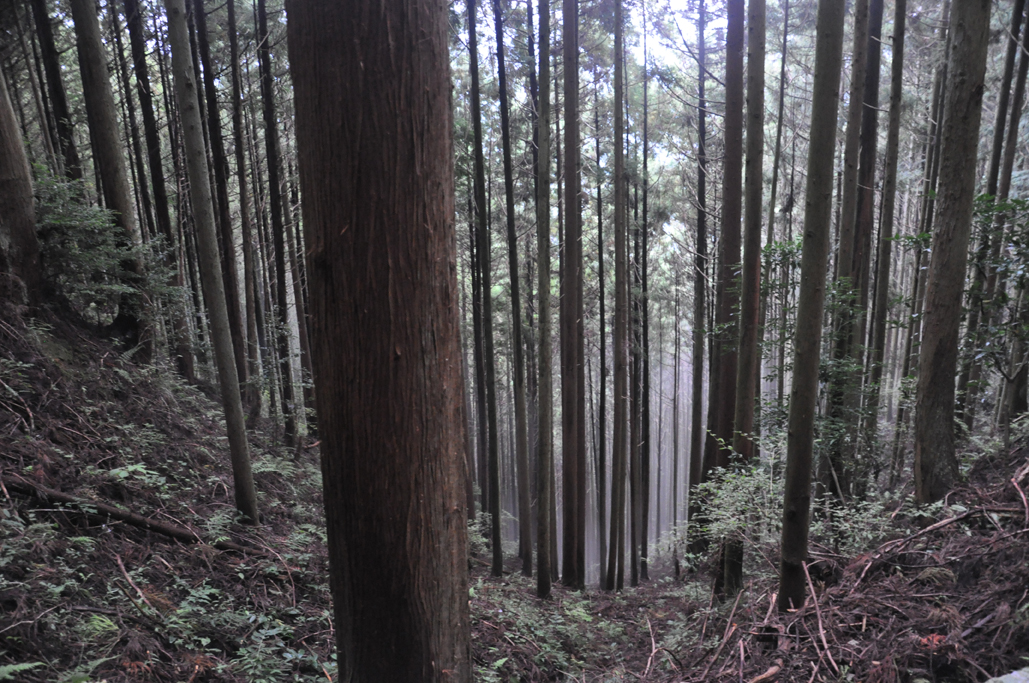
The distance from Kudoyama to Koyasan as the crow flies is about 6 miles, but the trail meanders a total of 14 miles and winds its way into alpine-looking territory at about 854m. The stupa markers are in excellent condition and most were clearly visible so I did not get off track once. Where the signs were unclear I was able to keep my bearings by these markers which represent the saints and divinities of Japanese Buddhism. I had mantra prayers that I said to myself and outloud along the way and there was never a time that I didn't feel comfortable. My options to exit the trail were clear, and I kept this possibility open until almost the end.
My mind was at ease until the end, and my body didn't start to feel fatigue until two-thirds of the way there. I took two major breaks for rest and refueling, at the 8km and 16km marks, which councided with trails to catch the train. The biggest problem to contend with was how the weight of my pack rested on my shoulder muscles. I was carrying food and water, which would be depleted, but also everything else I had brought to Japan: camera and laptop, change of clothes, rain gear, a book, power cords, GPS, and minimal toiletries. I had sent home some things in advance but I hadn't carried so much weight before on my shoulders. I had no fatigue in my legs or ankles until the very end, but I had to do major stretching from time to time for my shoulders. Sento baths helped in the days after but my body has never ached so much.
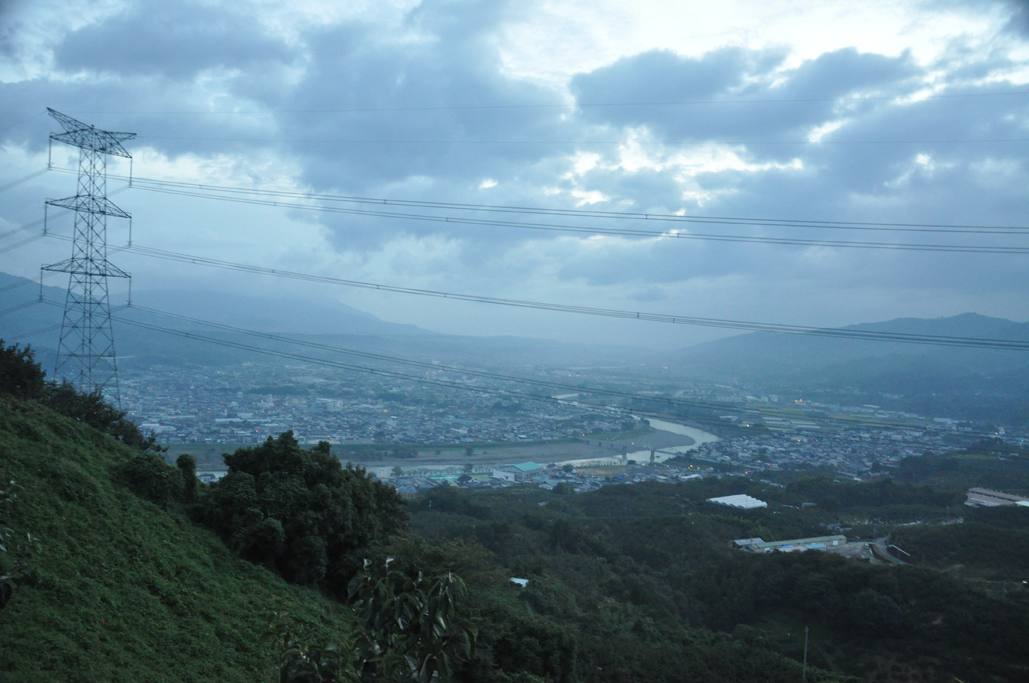
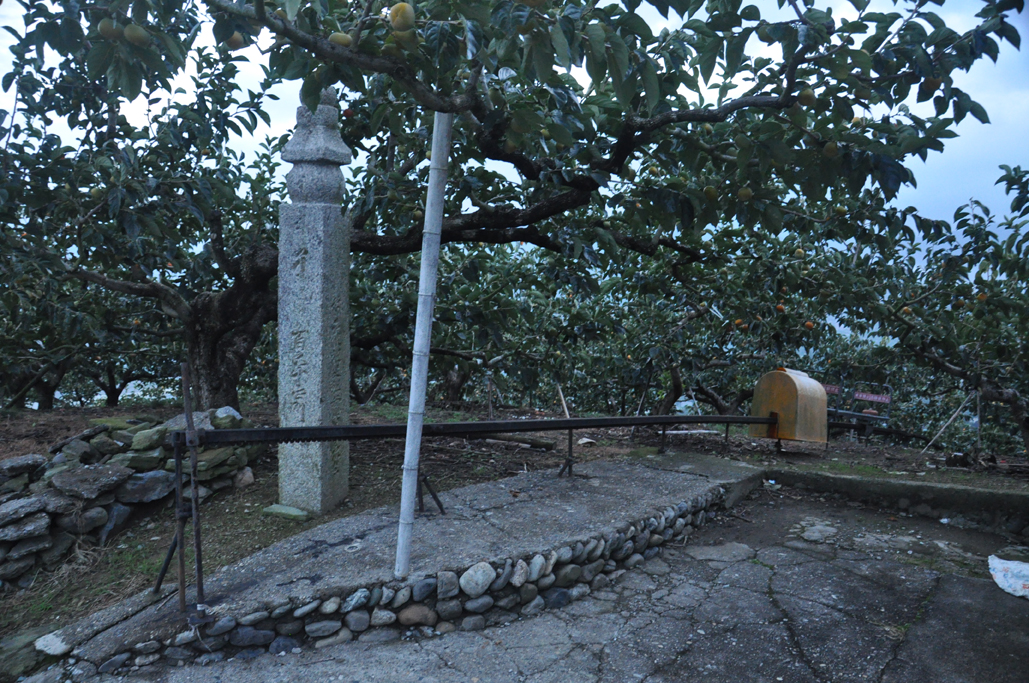
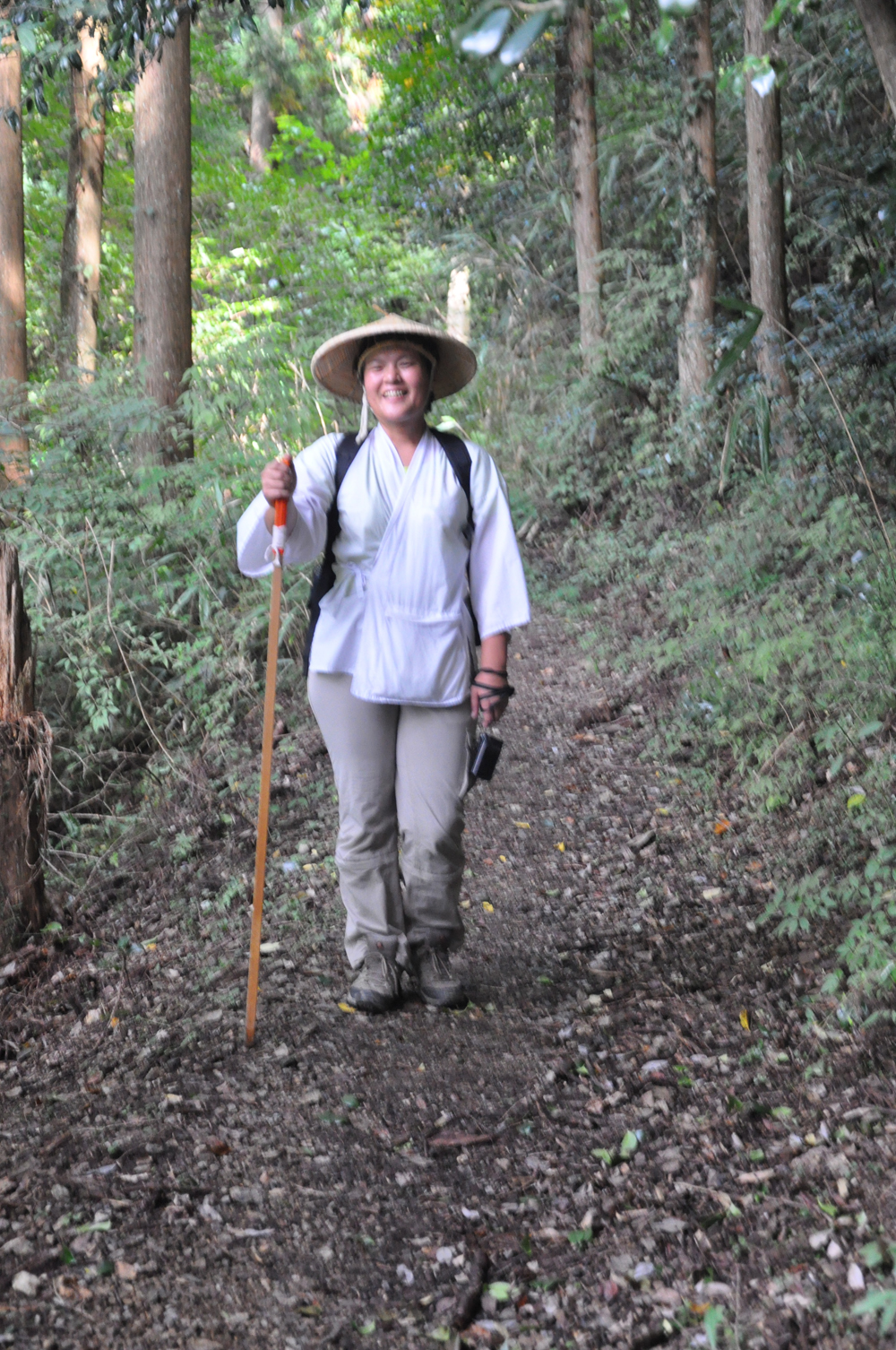
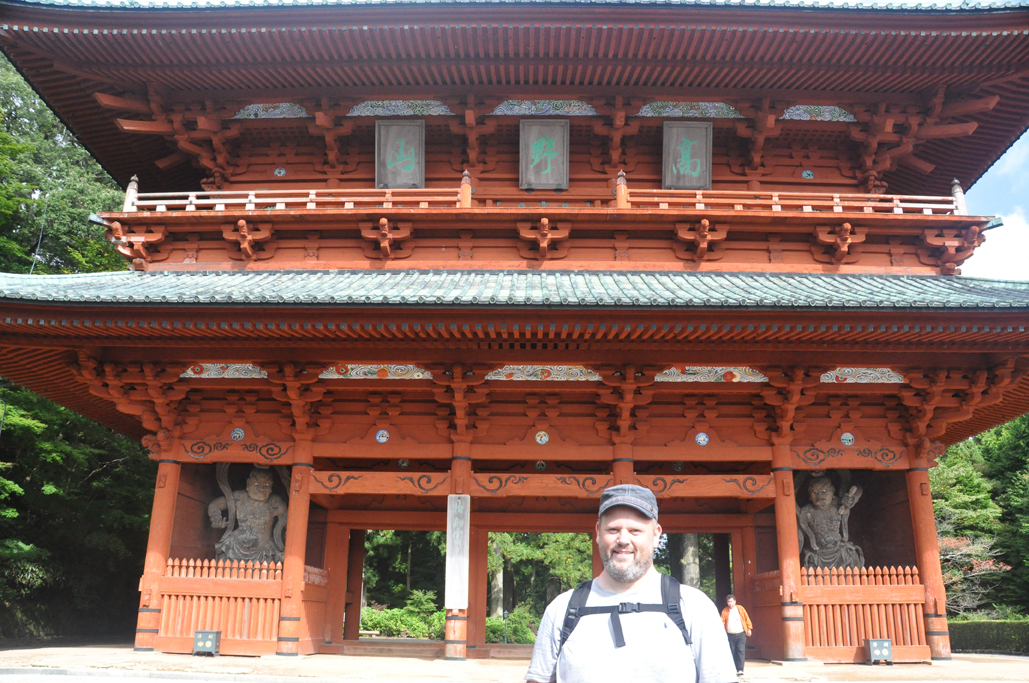
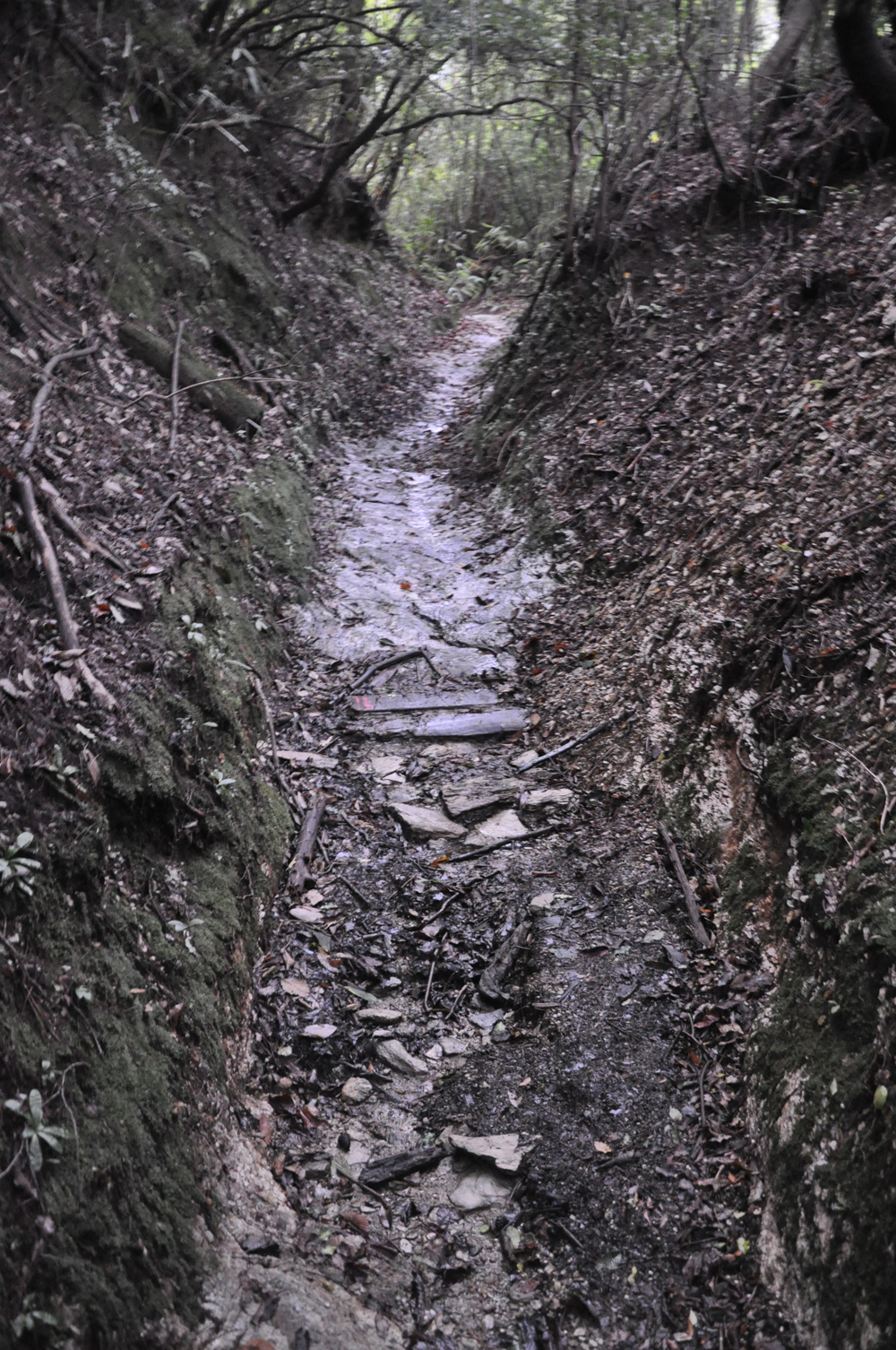
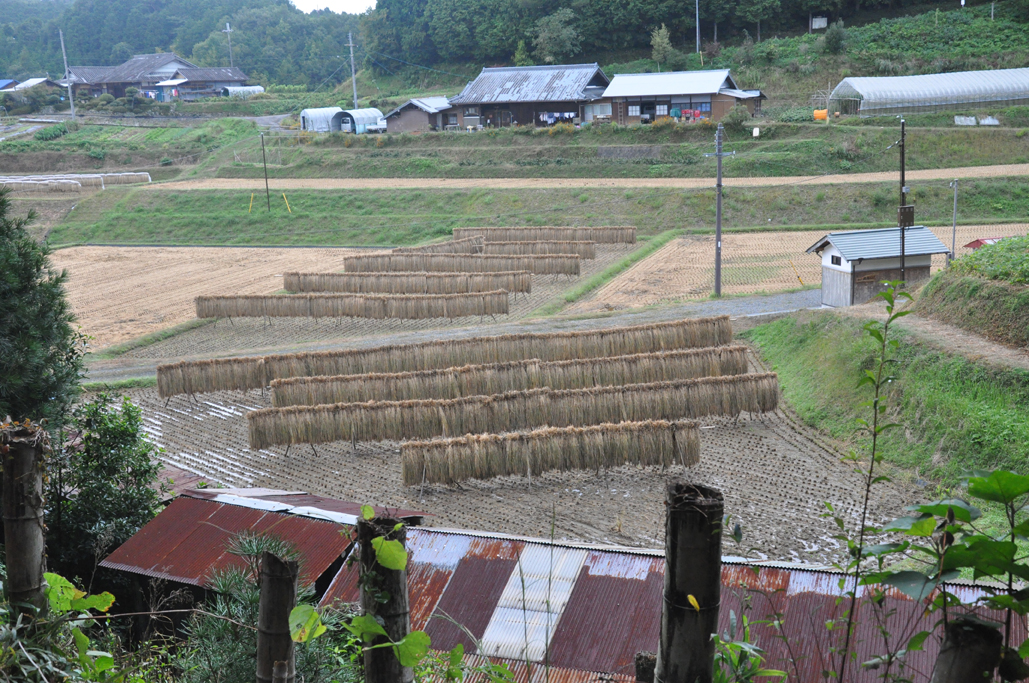 The very beginning of the trek is the hardest with a climb from 80m to 600m over five miles. It's not like climbing steps, but the pictures of Kudoyama at dawn or the Persimmon farm might give an idea. The middle part of the hike is a lot flatter but meanders along rocky and slippery trails. The only really nice trail was at the beginning when it was wide and even paved for a little while, otherwise it was cut into rock or dirt from over a millenium of use. The last climb to the Daimon Gate at the entrance to Koyasan is mostly steps. It was treacherous because of debris on the trail and fatigue. I had never used a trek pole before but could not imagine staying steady for so long without it. Two would have been better.
There were multiple opportunities to see other UNESCO sites and Japanese cultural treasures along the way but I had only one goal: get to Koyasan safely before dark. I began in Kudoyama at 4:30am and was at the temple lodging in Koyasan by 3:30pm. There were a few others who did the full trip who left Kudoyama a while after me who made it before dark. There were many more who did only the last leg. These people was all among the nicest I've met in Japan. Because of what the place means to me and because of the physical accomplishment arriving in Koyasan was an emotional experience I hadn't anticipated.