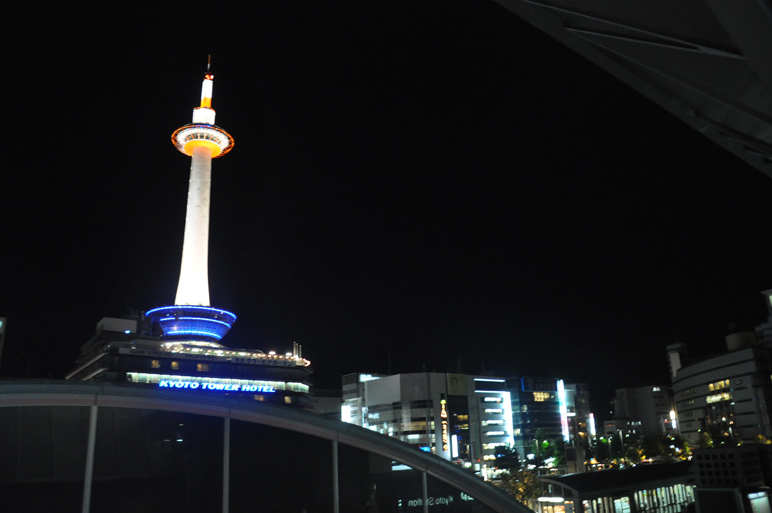
 I had only one night in Kyoto last visit, which was a mistake in planning. Three nights, again at Myoshin-ji Temple Complex about 15 minutes NW of the city center. Kyoto (meaning capital city) was the Imperial Capital during the Heian period after the capital shifted from Nara. There are almost 1.5 million people in Kyoto, which is part of the Osaka-Kobe megalaoplis. My goal was to use Kyoto as the jumping-off spot for a trip to Nara and a couple hikes. Nara was a success, but rain derailed my plans for mountain views of Kyoto. Another time, perhaps.
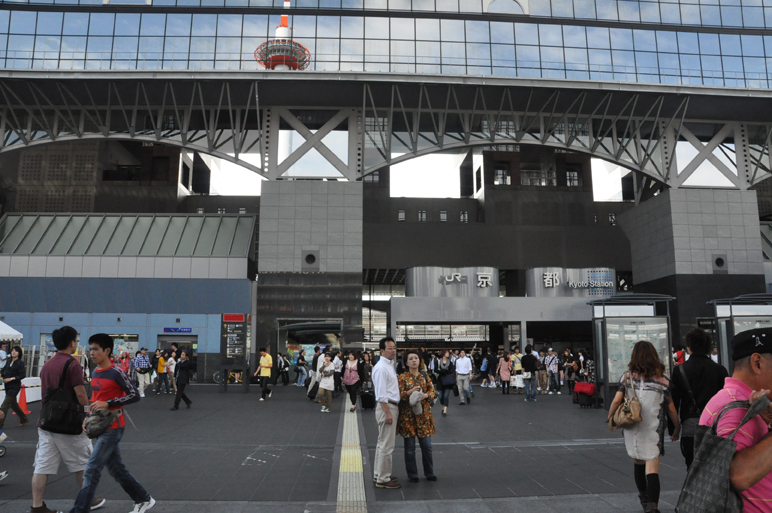
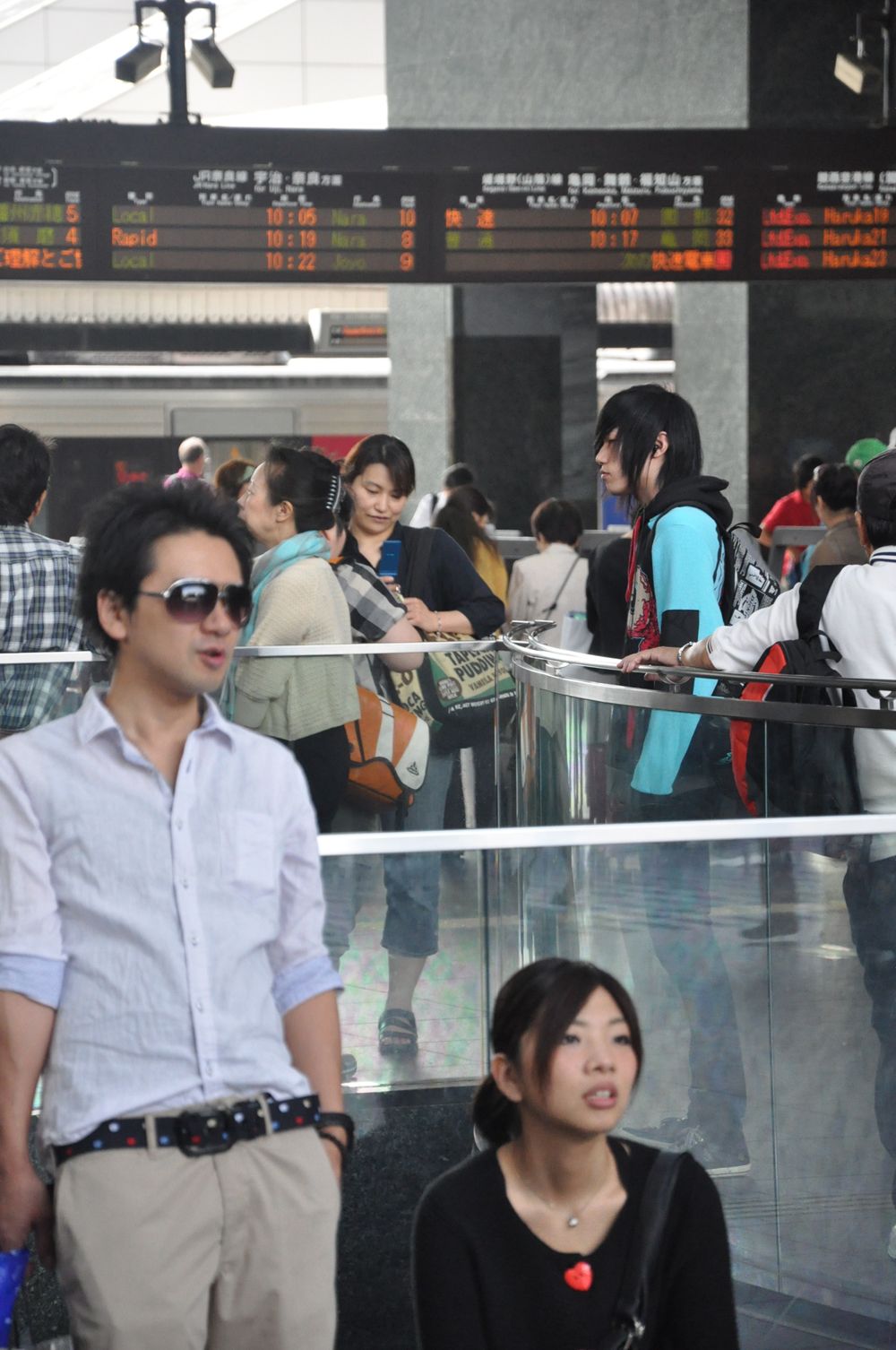
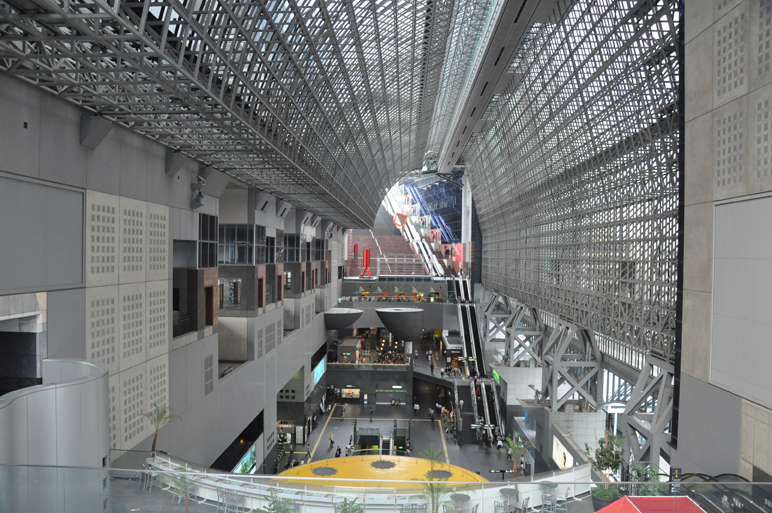
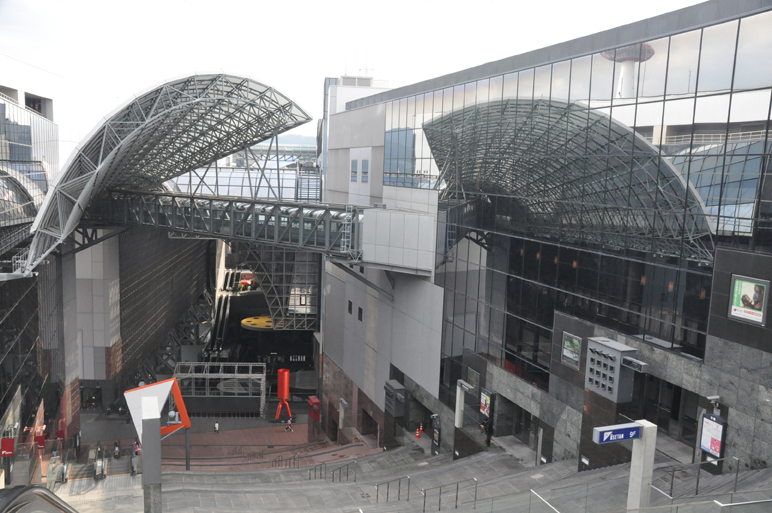
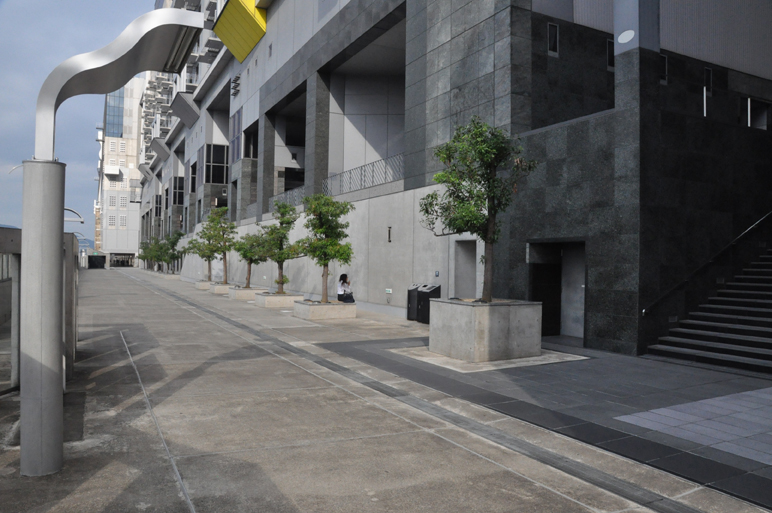
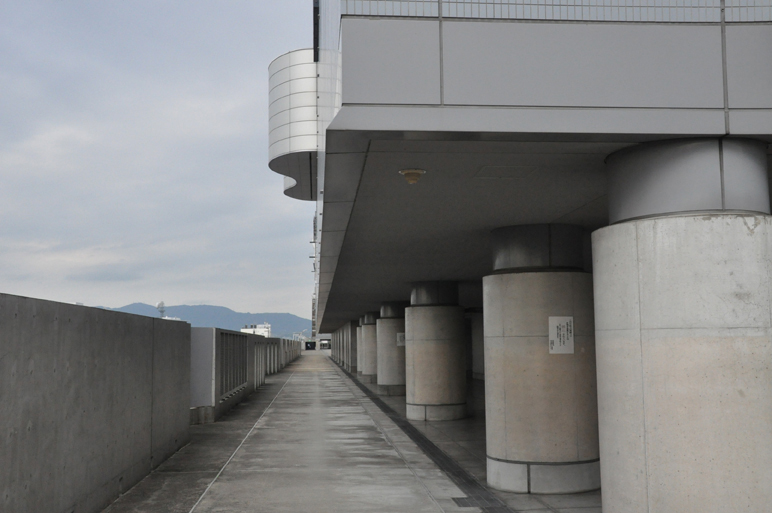
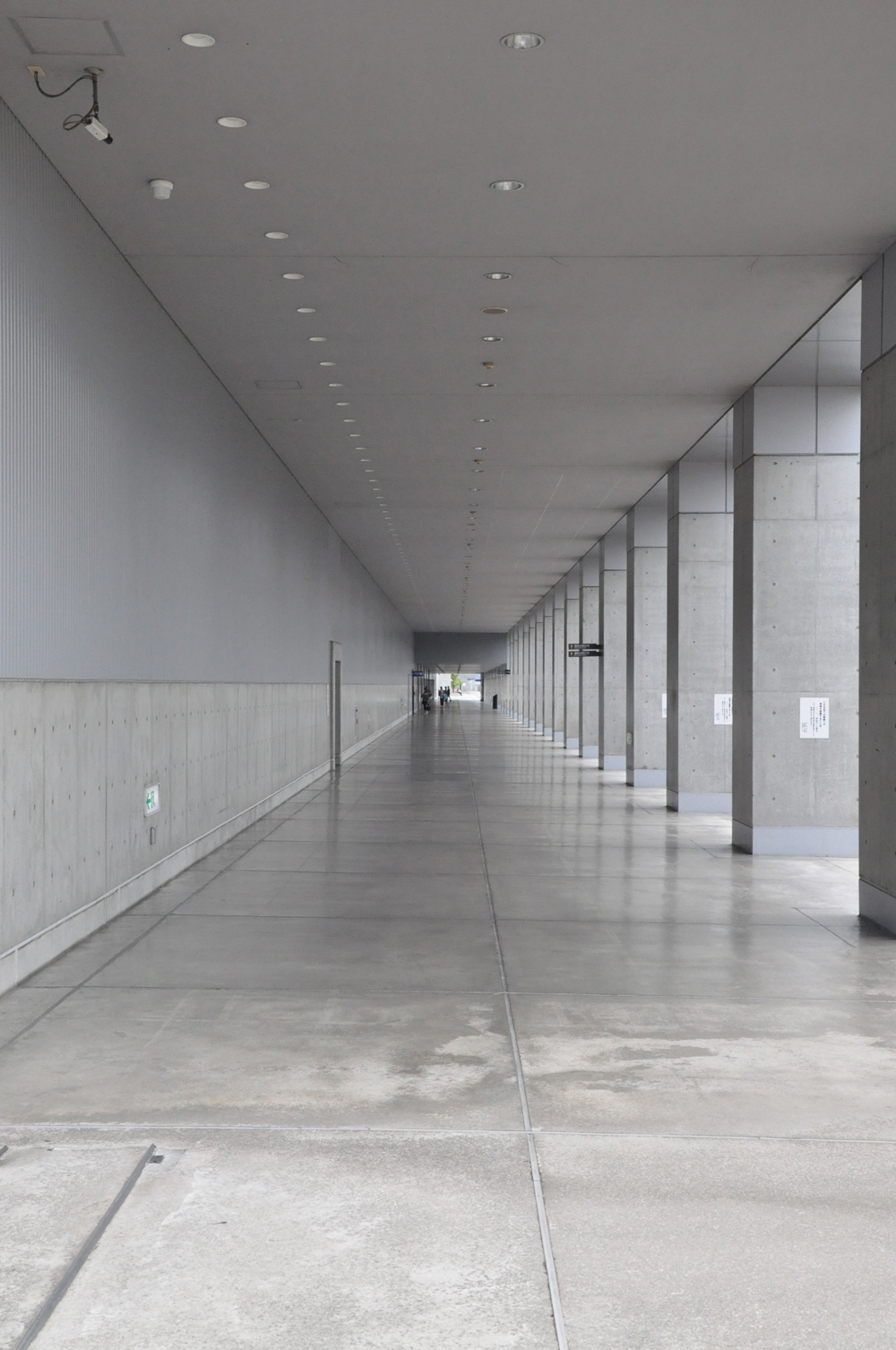
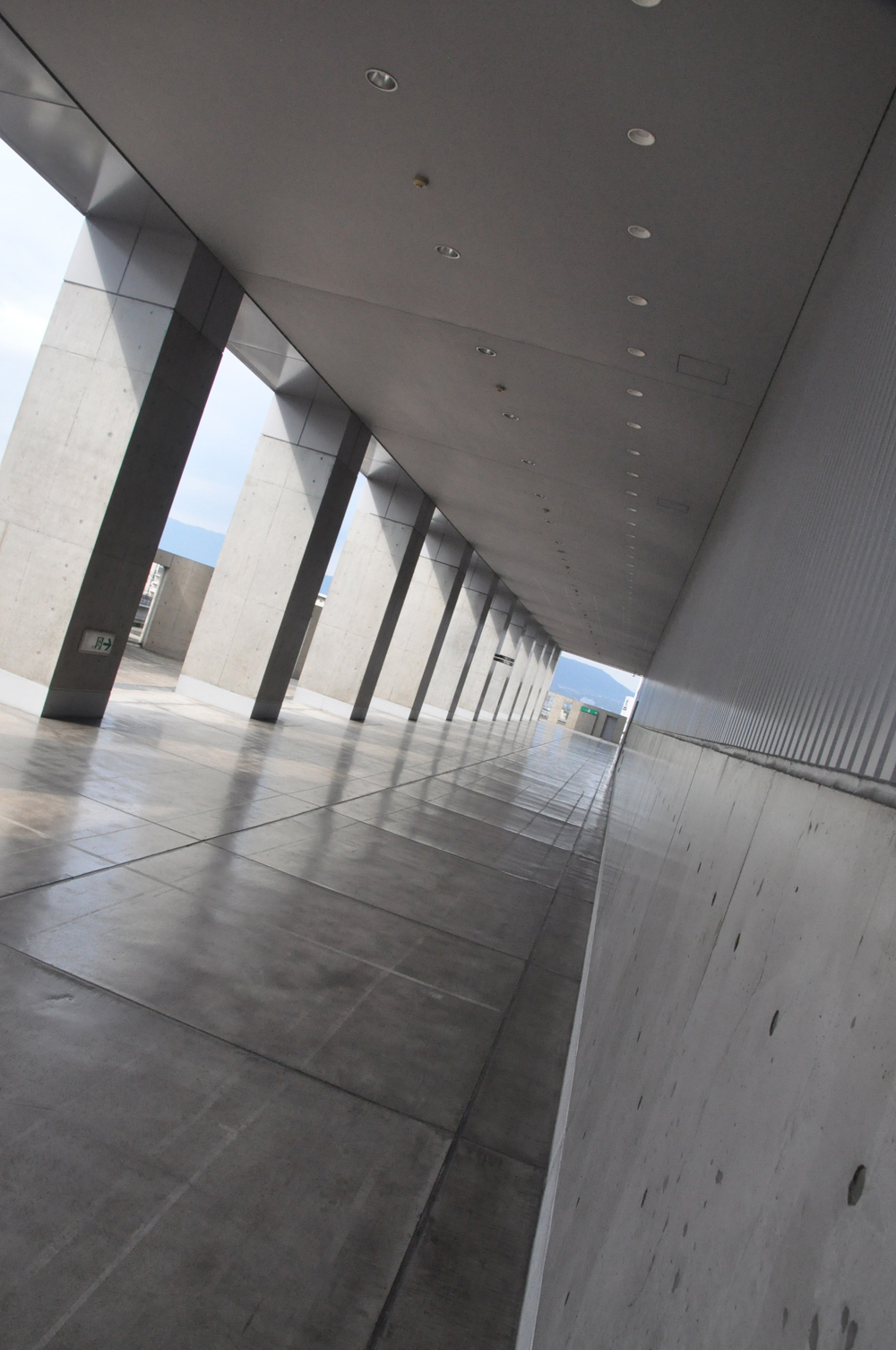
Japanese social customs, tea ceremonies, geisha culture, and gardens are enshrined in Kyoto. This is what I expected to see, but the day I set out on these explorations the weather was changeable and I had to keep altering my plans. Instead, I was able to walk around some traditional neighborhoods and get a lot of pictures of the impressive train station.
The Kyoto National Museum was closed on Monday, so I missed seeing a Pureland Mandala that I wanted to see very badly. There's an almost identical one in Cleveland. I was able, instead, to take in a lecture and tour of the Pureland Buddhist temple of Higashi-Hongan-ji (built 1602, rebuilt 1895 onward). Unlike Kyoto's mountain temples, which are mostly Zen, Higashi belongs to the more popular Pure Land sect. The essence of Pure Land doctrine is that salvation is possible by chanting "praise to the Amida Buddha" in a wholly sincere manner. Because of its doctrinal simplicity, Pure Land Buddhism has been the most popular faith among the common people since the thirteenth century.
My main goal in visiting Kyoto was to see the To-ji temple complex, which did not disappoint.
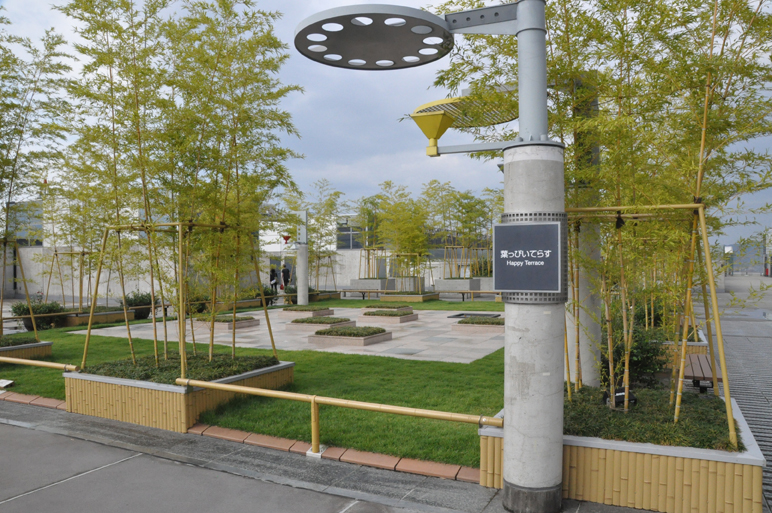
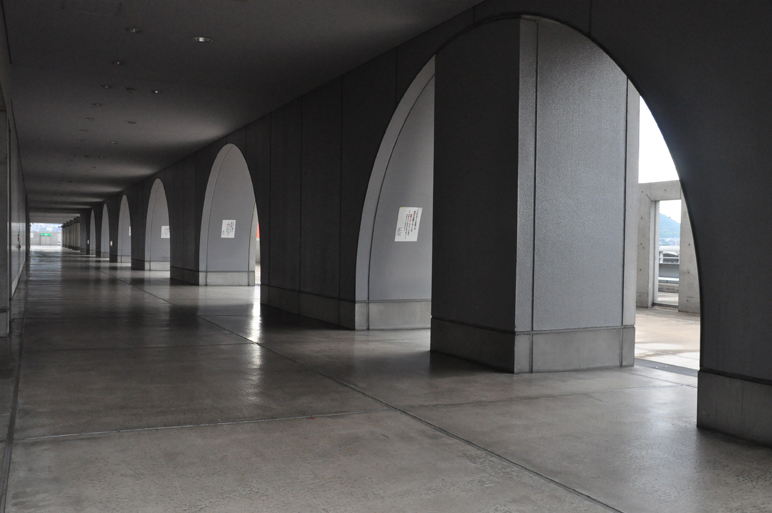
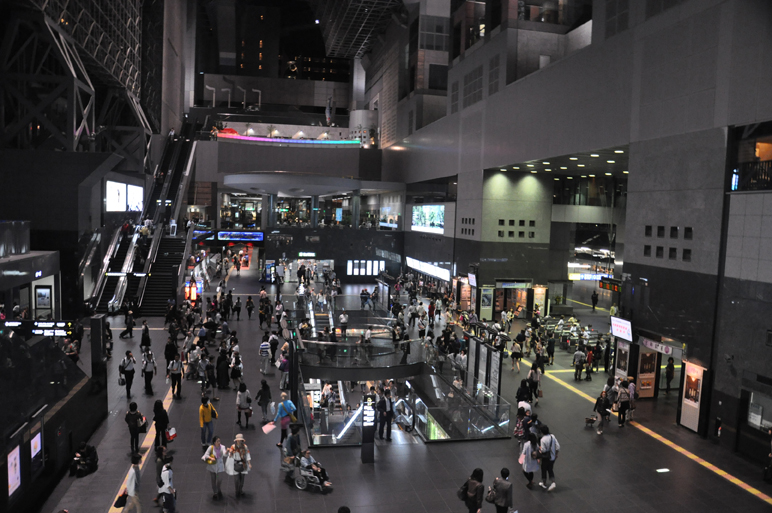
 From Wikipedia: The current Kyōto Station opened in 1997, commemorating Kyoto's 1,200th anniversary. It is 70 meters high and 470 meters from east to west, with a total floor area of 238,000 square meters. Architecturally, it exhibits many characteristics of futurism, with a slightly irregular cubic facade of plate glass over a steel frame. The architect was Hiroshi Hara.
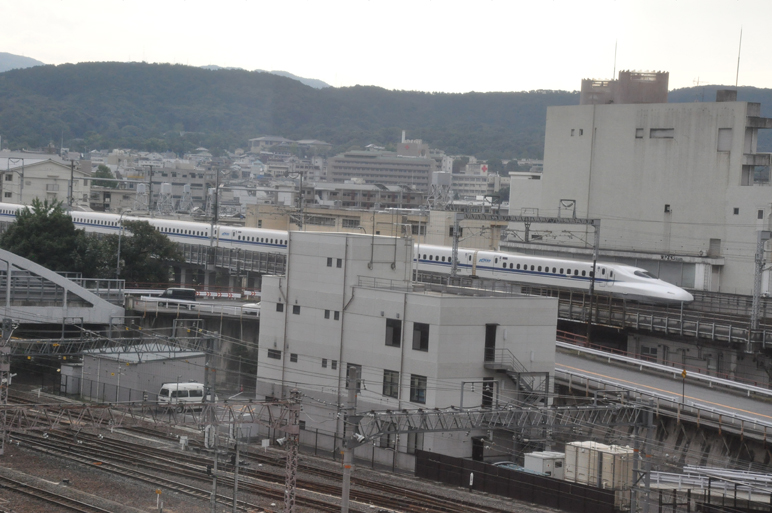
Kyoto, one of the least modern cities in Japan by virtue of its many cultural heritage sites, was largely reluctant to accept such an ambitious structure in the mid-1990s: The station's completion began a wave of new high-rise developments in the city that culminated in the 20-story Kyocera Building. Hence some criticize the station's design for taking part in breaking down the traditional cityscape. Aside from the main building on the north side of the station, the Hachijō-guchi building on the south side was built to house Tōkaidō Shinkansen which started operation in 1964. The underground facilities of the station, including the shopping mall Porta beneath the station square, was constructed when the subway opened in 1981.
From Wikipedia: The current Kyōto Station opened in 1997, commemorating Kyoto's 1,200th anniversary. It is 70 meters high and 470 meters from east to west, with a total floor area of 238,000 square meters. Architecturally, it exhibits many characteristics of futurism, with a slightly irregular cubic facade of plate glass over a steel frame. The architect was Hiroshi Hara.
Kyoto, one of the least modern cities in Japan by virtue of its many cultural heritage sites, was largely reluctant to accept such an ambitious structure in the mid-1990s: The station's completion began a wave of new high-rise developments in the city that culminated in the 20-story Kyocera Building. Hence some criticize the station's design for taking part in breaking down the traditional cityscape. Aside from the main building on the north side of the station, the Hachijō-guchi building on the south side was built to house Tōkaidō Shinkansen which started operation in 1964. The underground facilities of the station, including the shopping mall Porta beneath the station square, was constructed when the subway opened in 1981.
 I had an awesome time with my first CouchSurfing experience, an outing not a stay. Good food, conversation, sights and all that. Talking about differences between multiple cultures gave me more precise insight into my experience of Japan, which I mistakenly thought was thorough based on the places I had been. Pablo is a Catalon in Kyoto to pursue a PhD. A smart guy who has done much work with the language, which was helpful to me, but his skill was an example of what more a person can see and experience in another culture. He is a good cultural ambassador.
"Japanese Pizza" was nothing like pizza. From WIkipedia: Kansai-style okonomiyaki is the predominant version of the dish, found throughout most of Japan. The batter is made of flour, grated yam, water or dashi, eggs and shredded cabbage, and usually contains other ingredients such as green onion, meat (generally pork or bacon), octopus, squid, shrimp, vegetables, kimchi, mochi or cheese. Okonomiyaki is sometimes compared to an omelette or a pancake and may be referred to as "a Japanese pancake". Some okonomiyaki restaurants are grill-it-yourself establishments, where the server produces a bowl of raw ingredients that the customer mixes and grills at tables fitted with teppan, or special hotplates. They may also have a diner-style counter where the cook prepares the dish in front of the customers. Cooked okonomiyaki is topped with ingredients that include otafuku/okonomiyaki sauce (similar to Worcestershire sauce but thicker and sweeter), aonori (seaweed flakes), katsuobushi (bonito flakes), Japanese mayonnaise, and pickled ginger (beni shoga). This was an absolute highlight.