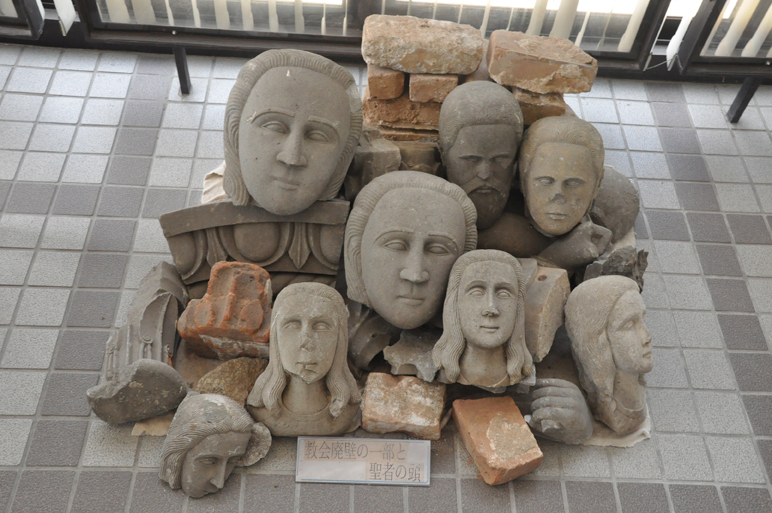
 After my last visit I knew that I wanted to return to Nagasaki for several reasons. The blend of transplanted Catholicism with native Buddhism and Shinto is intriguing, even though I can pin down the nuances without a lot of assistance from local people. While the United States may feel justified in dropping an atomic bomb here, most Americans feel completely detached from the people it affected. Perhaps it's some form of guilt, but I feel most curious about how the Japanese have made their way since the war because of their experience of having to start over with nothing. More than anything I feel and expressionless connection to Nagasaki. As I waited last time for my train in thee early hours of the morning I simply knew I felt connected. The reasons don't matter.
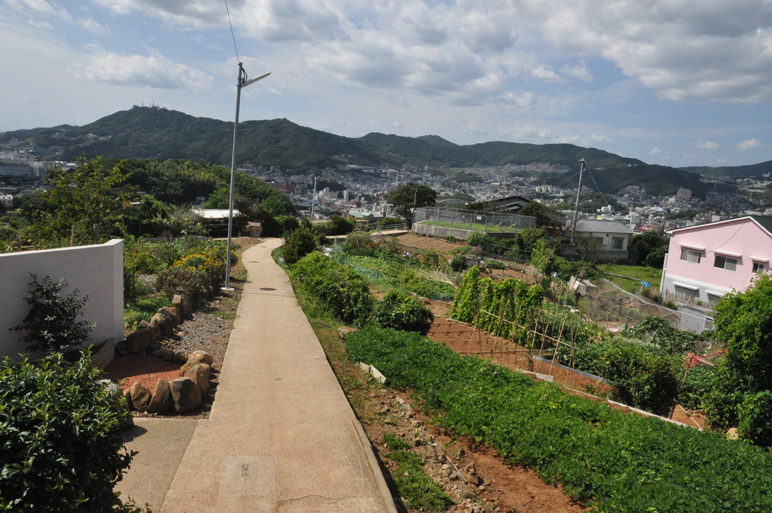
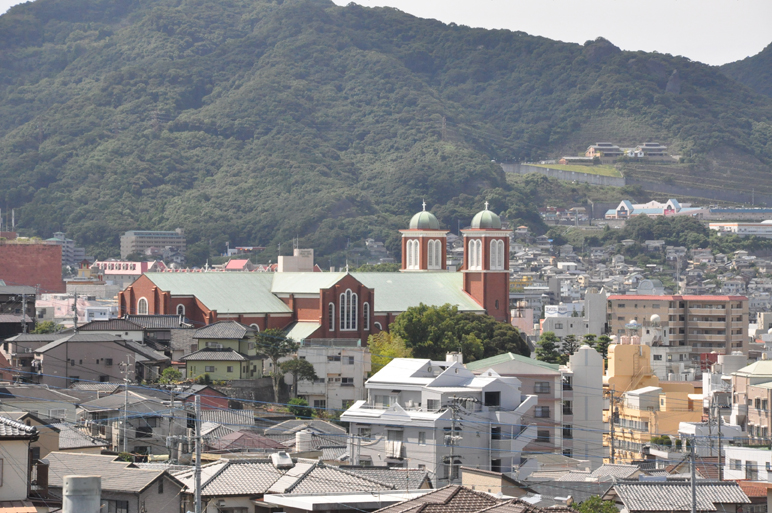
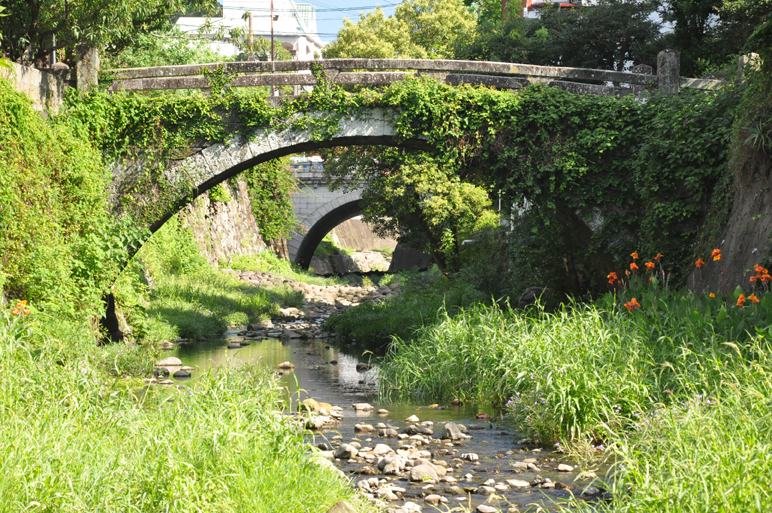
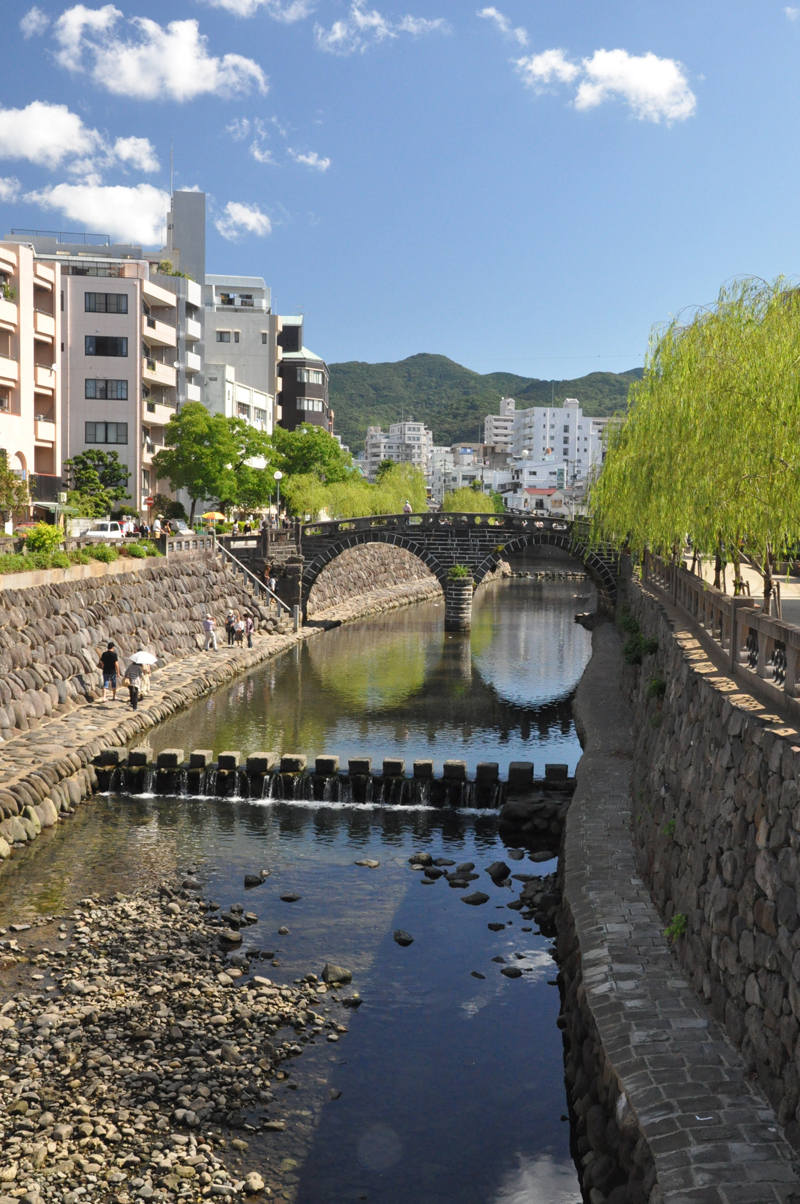
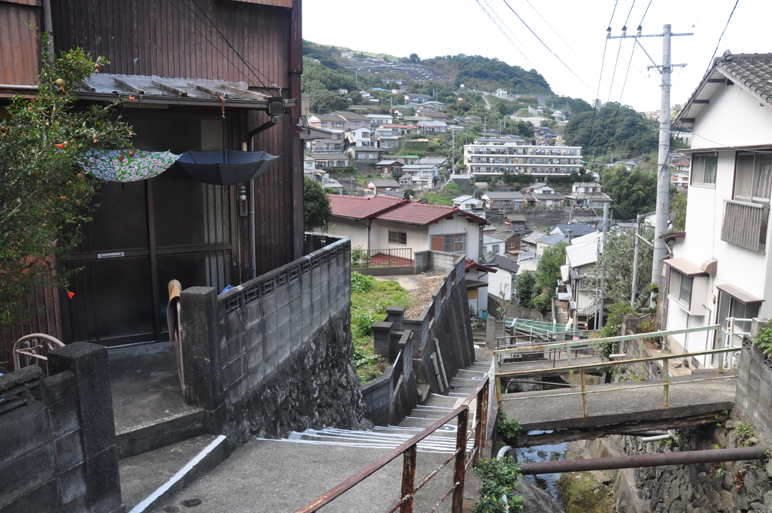
 Nagasaki is an interesting city to walk around because of its geography and especially as that geography influenced its reconstruction. Its hills rolling into the ocean give it a great skyline day and night. The hillsides leeward of the bomb's force remained largely untouched, so there is an mix of old and new buildings. Carved out among every neighborhood are vegetable and flower gardens which cling purposefully to every free piece of dirt. Reflective of the Japanese aesthetic sense, there is a balance of ordered purpose and untouched happenstance. There are roads in every neighborhood and places for families to park their cars, but it looked like every neighborhood had a network of stairs and narrow alleys that form a smaller sub-grid. These alleys more closely follow the countours of hills and streams. Where room is lacking for gardens you see pots, planters, and trellises.
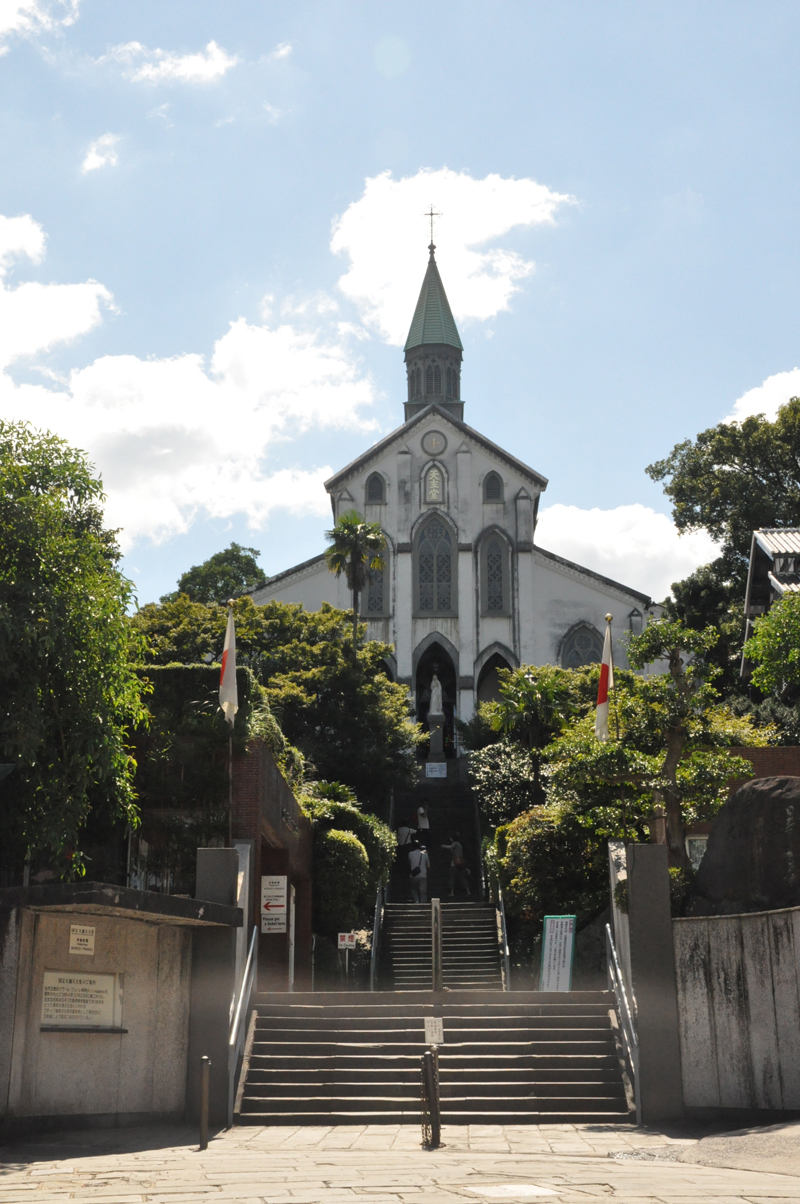
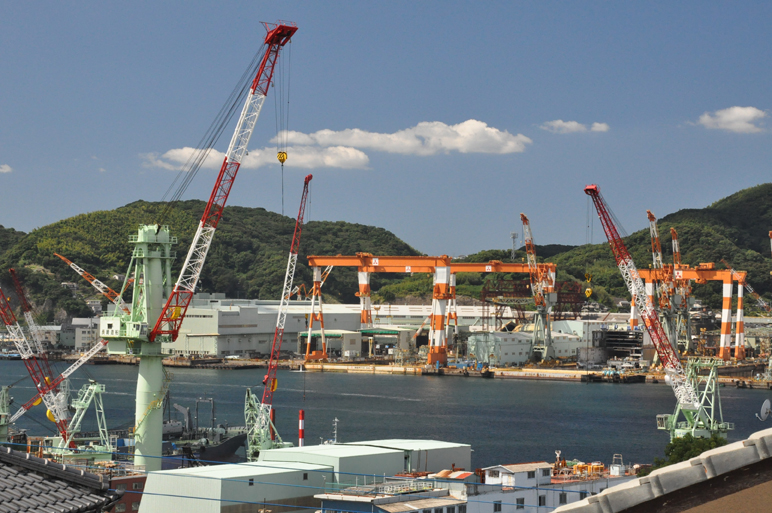 It was mostly overcast the last time I was here so there was a gray cast to everything which made my first photos seem flat. Along with new explorations I made a point to get back to some sites for better pics. The angle of the sun and my polarized lens resulted, I think, in a better presentation of the countours of the city and the natural contrasts offered by its geography. Mostly there was just a lot more to see: the Mitsubishi Shipworks, the Dutch settlement of Glover Garden, and the neighborhood around Oura Church. I've seen about half the city in my two visits. While having my annual retreat here has been a good way to reset and ready myself for the rest of the trip, I feel like I may have seen enough. Yet there is still plenty to see on the big island of Kyushu, and I still want to find a way to see the Catholic community on the small Goto Islands between Nagaskai and the Korean mainland. This is where I want to try to do my retreat next visit.