 Nara (奈良) is an ancient capital city in Nara Prefecture, Kansai region of Japan. Throughout 2010 the city celebrated its 1300th anniversary. Overshadowed by its more famous neighbor Kyoto, Nara is omitted from many a time-pressed tourist's itinerary. However, Nara is home to many important scenic and historical sites, and today preserves its main sights much more attractively than Kyoto within Nara Park and neighborhoods like Naramachi.
Along with the development of Heijōkyō (平城京), the capital of Japan between 710-784 AD, Nara flourished under the influence of Buddhism, leading to the creation of an enormous number of cultural assets, buildings and books, many of which are preserved today. Nara has the largest number of buildings designated National Treasures in Japan. While the Heijōkyō Palace (平城宮) site turned into plain fields after the capital was moved to Kyoto, the shrines and temples were left on the east side of the palace (called Gekyo (外京)), and Buddhism remained influential throughout the following centuries. Another part of the area developed as a merchant town, notably in the Edo period, known as Naramachi (奈良町) today.
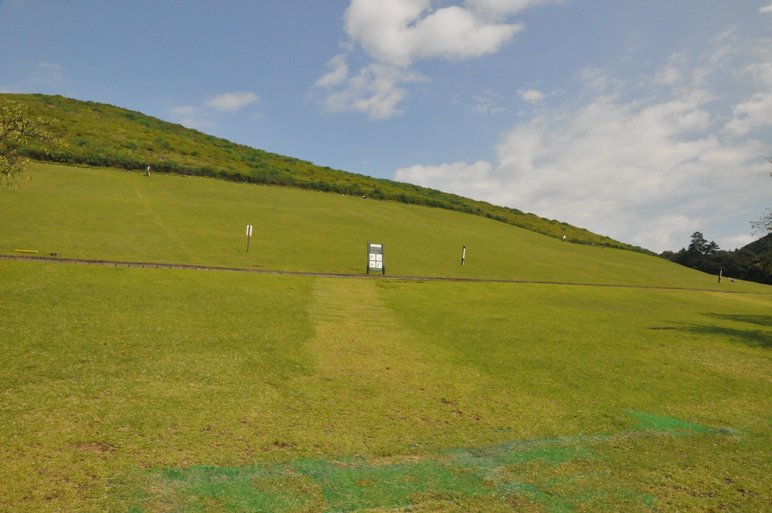
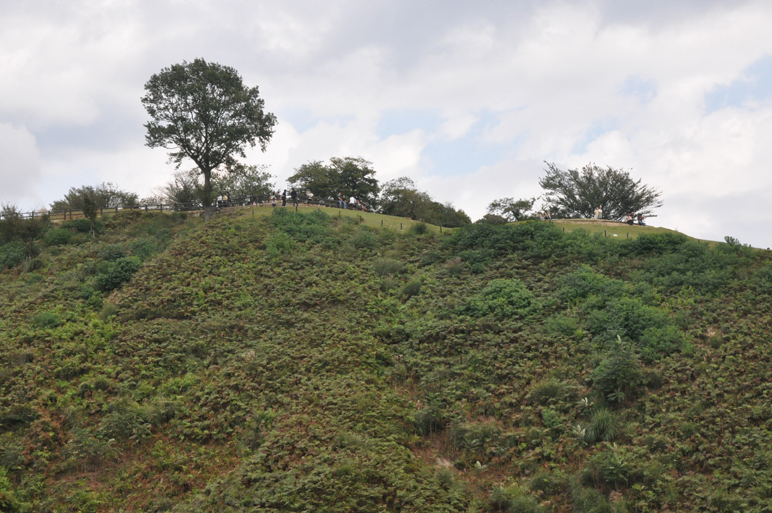
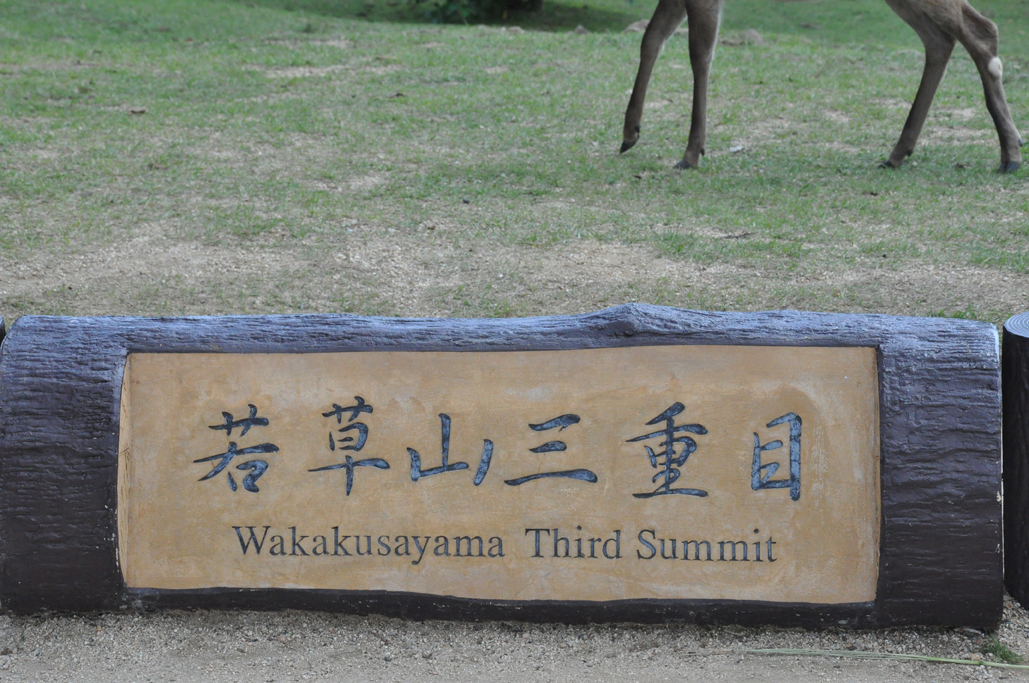
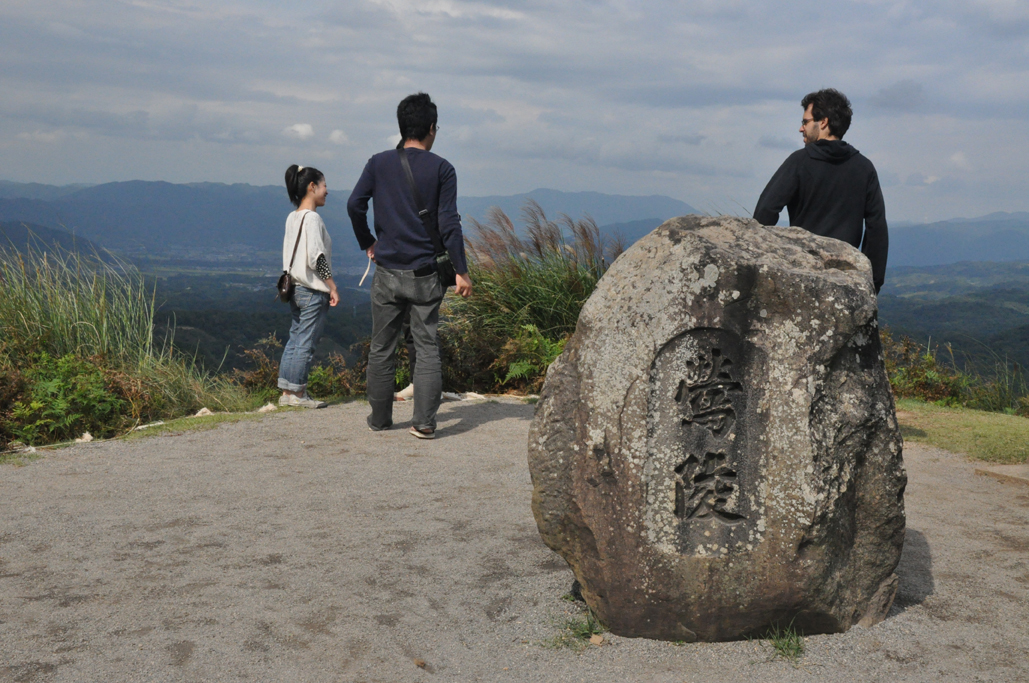
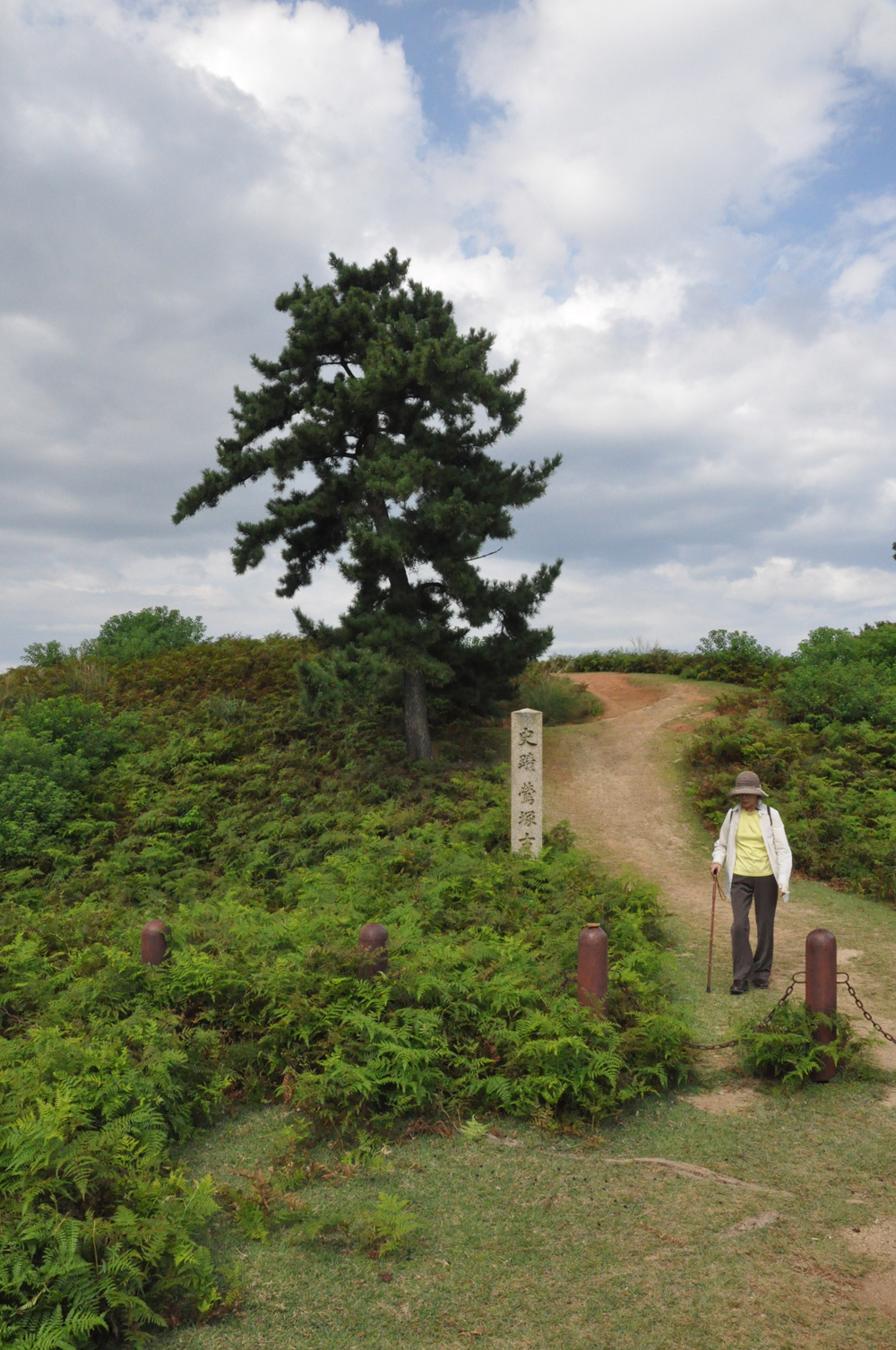
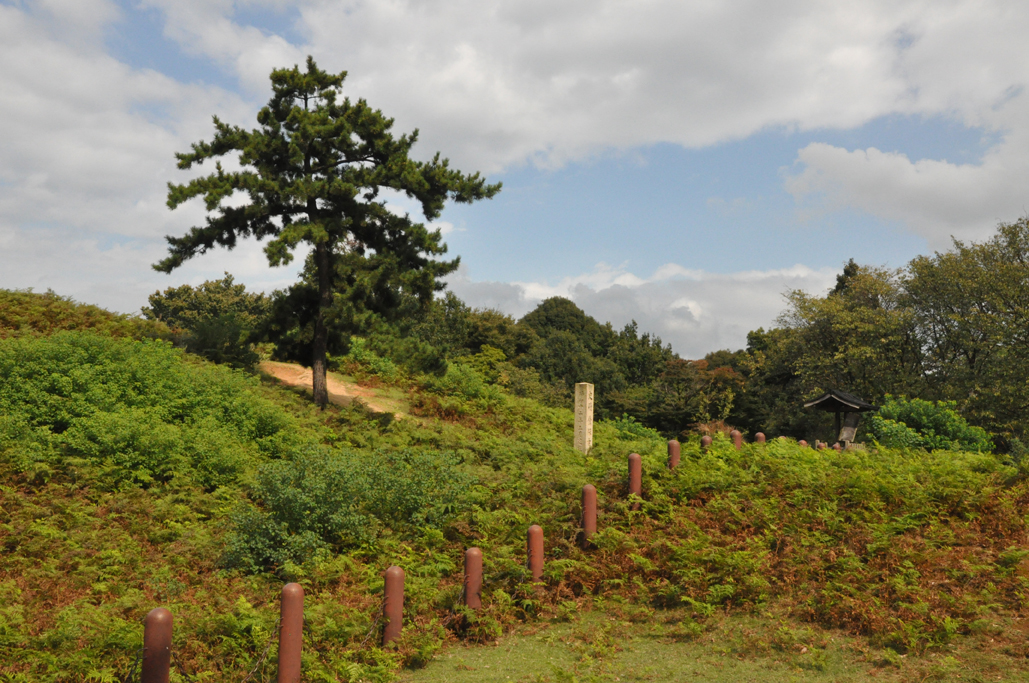 Wakakusayama (Mount Wakakusa) is a mountain located to the east of Todaiji temple.
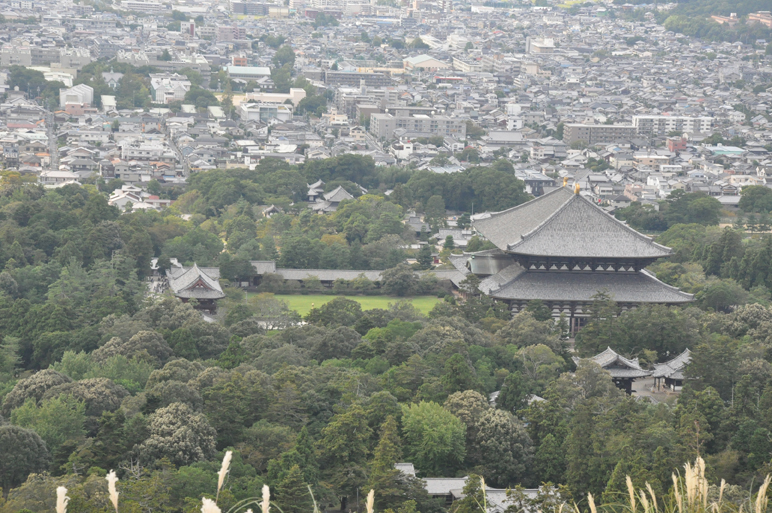
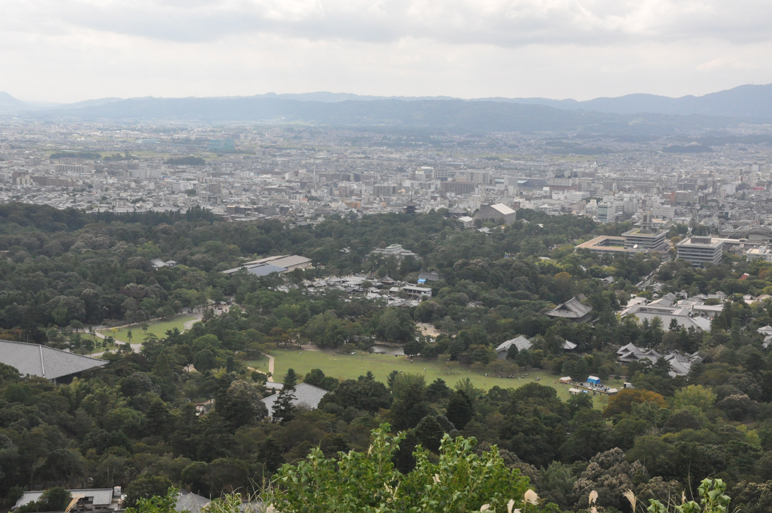
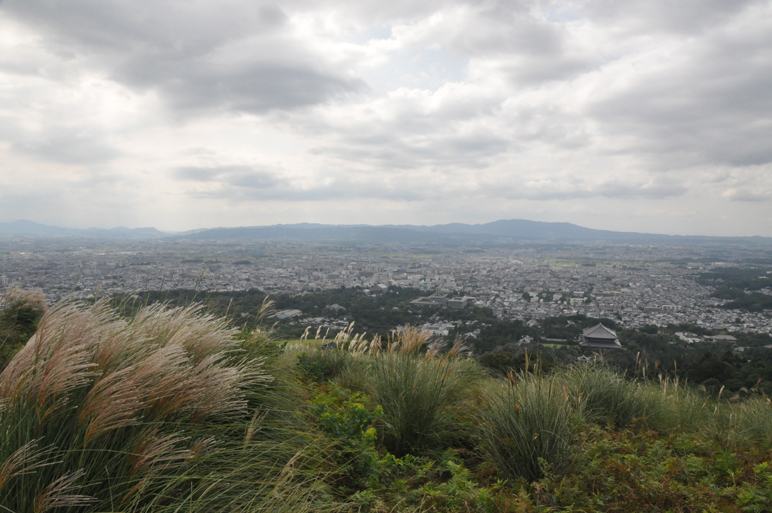
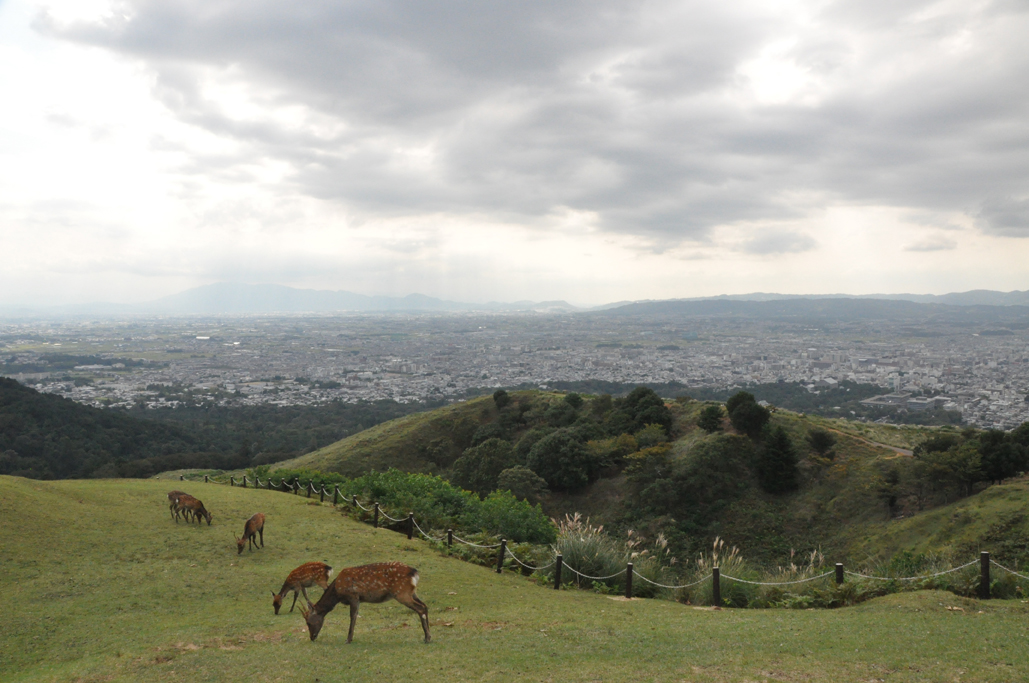
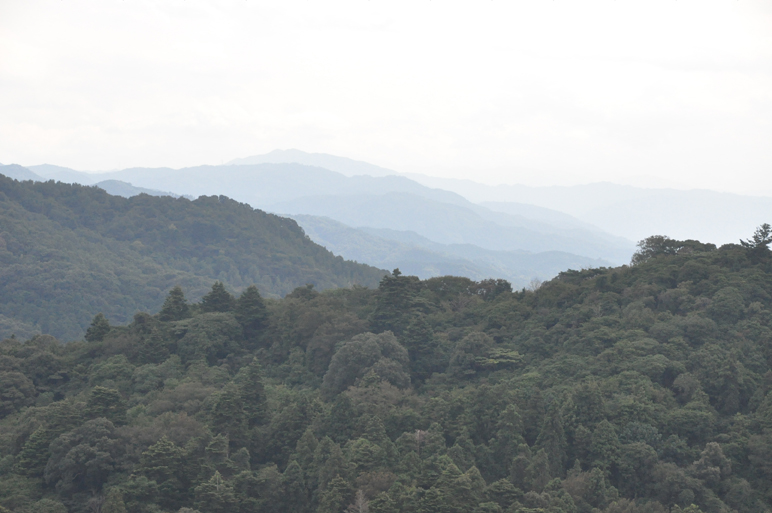
The old name is Mikasayama (Mount Mikasa). The height is 342 meters, and the peak is located only about 1 km east of the temple grounds of Todaiji. The mountain is very gentle, and more like a hill. The area of the mountain covers 33 hectares, and the whole area is covered with grass. The grass burning event held in late January is very famous. The top of the mountain is a nice vantage point for viewing Todaiji Temple and the Nara Plain. Guides to the mountain suggest there is an observatory at the top and an access road. Since these weren't in evidence I wonder if we made it to the top. The night view is supposedly very popular, though the main trail closes before dark. There is an ancient burial mound near the summit, but I didn't see it. It seems like there is more to explore.
Wakakusayama (Mount Wakakusa) is a mountain located to the east of Todaiji temple.
The old name is Mikasayama (Mount Mikasa). The height is 342 meters, and the peak is located only about 1 km east of the temple grounds of Todaiji. The mountain is very gentle, and more like a hill. The area of the mountain covers 33 hectares, and the whole area is covered with grass. The grass burning event held in late January is very famous. The top of the mountain is a nice vantage point for viewing Todaiji Temple and the Nara Plain. Guides to the mountain suggest there is an observatory at the top and an access road. Since these weren't in evidence I wonder if we made it to the top. The night view is supposedly very popular, though the main trail closes before dark. There is an ancient burial mound near the summit, but I didn't see it. It seems like there is more to explore.
A major cultural development of the era was the permanent establishment of Buddhism. Buddhism was introduced by Baekje in the sixth century, but had a mixed reception until the Nara period, when it was heartily embraced by Emperor Shōmu. Shōmu and his Fujiwara consort were fervent Buddhists and actively promoted the spread of Buddhism, making it the "guardian of the state" and a way of strengthening Japanese institutions.
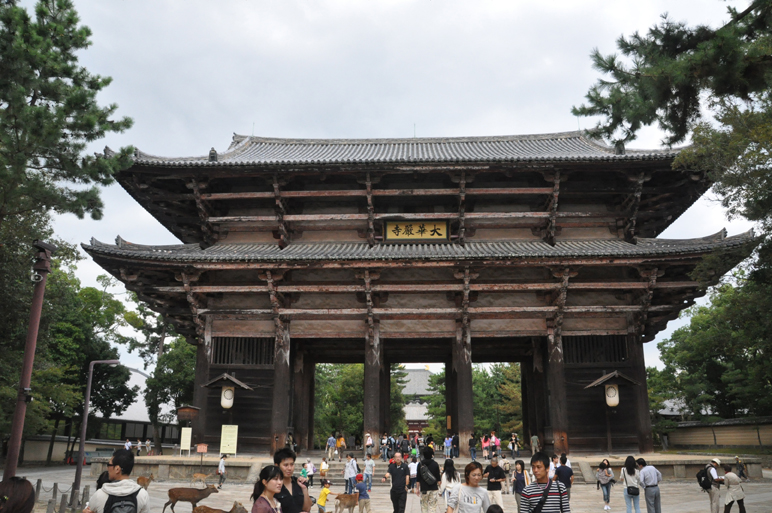
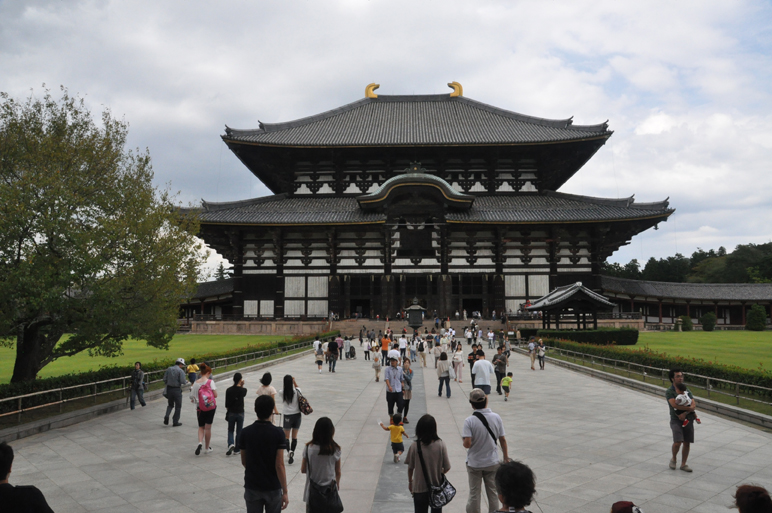
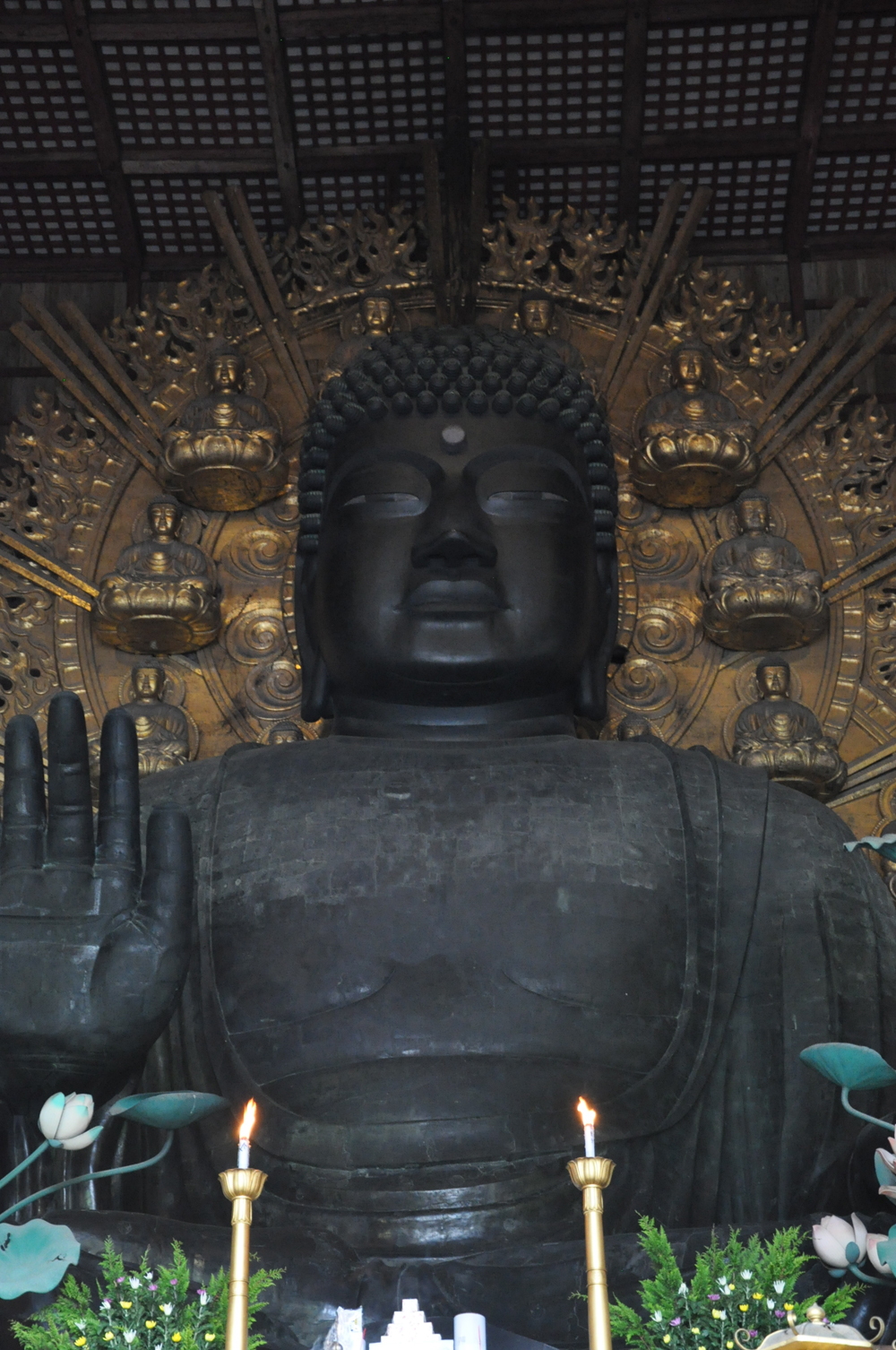
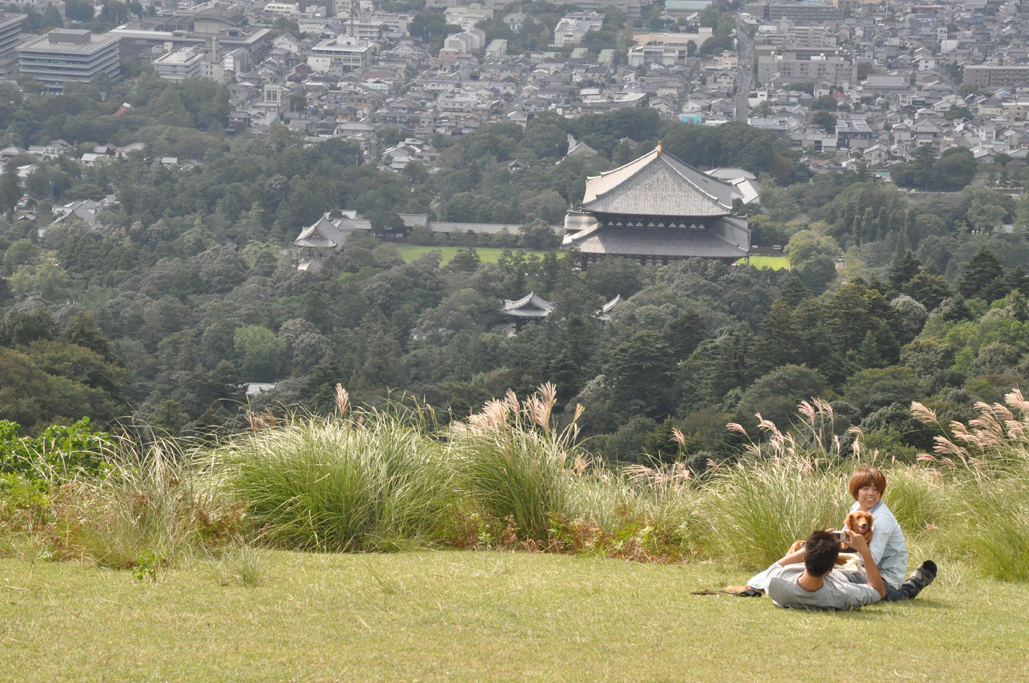 During Shōmu's reign, the Tōdai-ji (literally Eastern Great Temple) was built, and within it was placed the Great Buddha Daibutsu; a sixteen-metre-high, gilt-bronze statue. This Buddha was identified with the Sun Goddess, and a gradual syncretism of Buddhism and Shinto ensued. Shōmu declared himself the "Servant of the Three Treasures" of Buddhism: the Buddha, the law or teachings of Buddhism, and the Buddhist community. Although these efforts stopped short of making Buddhism the state religion, Nara Buddhism heightened the status of the imperial family. Buddhist influence at court increased under the two reigns of Shōmu's daughter. As Empress Kōken (r. 749–758) she brought many Buddhist priests into court. Kōken abdicated in 758 on the advice of her cousin, Fujiwara no Nakamaro. When the retired empress came to favor a Buddhist faith healer named Dōkyō, Nakamaro rose up in arms in 764 but was quickly crushed. Kōken charged the ruling emperor with colluding with Nakamaro and had him deposed. Kōken reascended the throne as Empress Shōtoku (r. 764–770). The empress commissionedthe printing of 1 million prayer charms—the Hyakumantō dharani —many examples of which survive. The small scrolls, dating from 770, are among the earliest printed works in the world. Shōtoku had the charms printed to placate the Buddhist clergy. She may even have wanted to make Dōkyō emperor, but she died before she could act. Her actions shocked Nara society and led to the exclusion of women from imperial succession and the removal of Buddhist priests from positions of political authority.
Many of the Japanese artworks and imported treasures from other countries during the era of Emperors Shōmu and Shōtoku are archived in Shōsō-in of Tōdai-ji temple. They are called Shōsōin treasures, and illustrate the cosmopolitan culture also known as Tempyō culture. Imported treasures show various influences of Silk Road areas, including China, Korea, India, and Islamic Empire. Also, Shosoin stores more than 10,000 paper documents so-called Shōsōin documents (正倉院文書?). These are records written in the reverse side of the sutra or in the wrapping of imported items, and survived as a result of reusing wasted official documents. Shōsōin documents contribute greatly to the research of Japanese political and social systems of the Nara period, while they even indicate the development of Japanese writing systems (such as katakana).