 Osaka (大阪) is a city in the Kansai region of Japan's main island of Honshu, a designated city under the Local Autonomy Law, the capital city of Osaka Prefecture and also the biggest part of Keihanshin area, which is represented by three major cities of Japan, Kyoto, Osaka and Kobe. Located at the mouth of the Yodo River on Osaka Bay, Osaka is the third largest city by population after Tokyo (special wards) and Yokohama. Keihanshin is the second largest area in Japan by population and one of the largest metropolitan areas highly ranked in the world, with nearly 18 million people, and by GDP the second largest area in Japan and the seventh largest area in the world.
Historically the commercial capital of Japan, Osaka functions as one of the command centers for the Japanese economy. The ratio between daytime and night time population is 141%, the highest in Japan, highlighting its status as an economic center. Its nighttime population is 2.6 million, the third in the country, but in daytime the population surges to 3.7 million, second only after Tokyo. (Totalling the Special wards of Tokyo, which is not a single incorporated city, for statistical purposes. Osaka used to be referred to as the "nation's kitchen" (天下の台所 tenka no daidokoro) in feudal Edo period because it was the centre of trading for rice, creating the first modern future exchange market in the world.
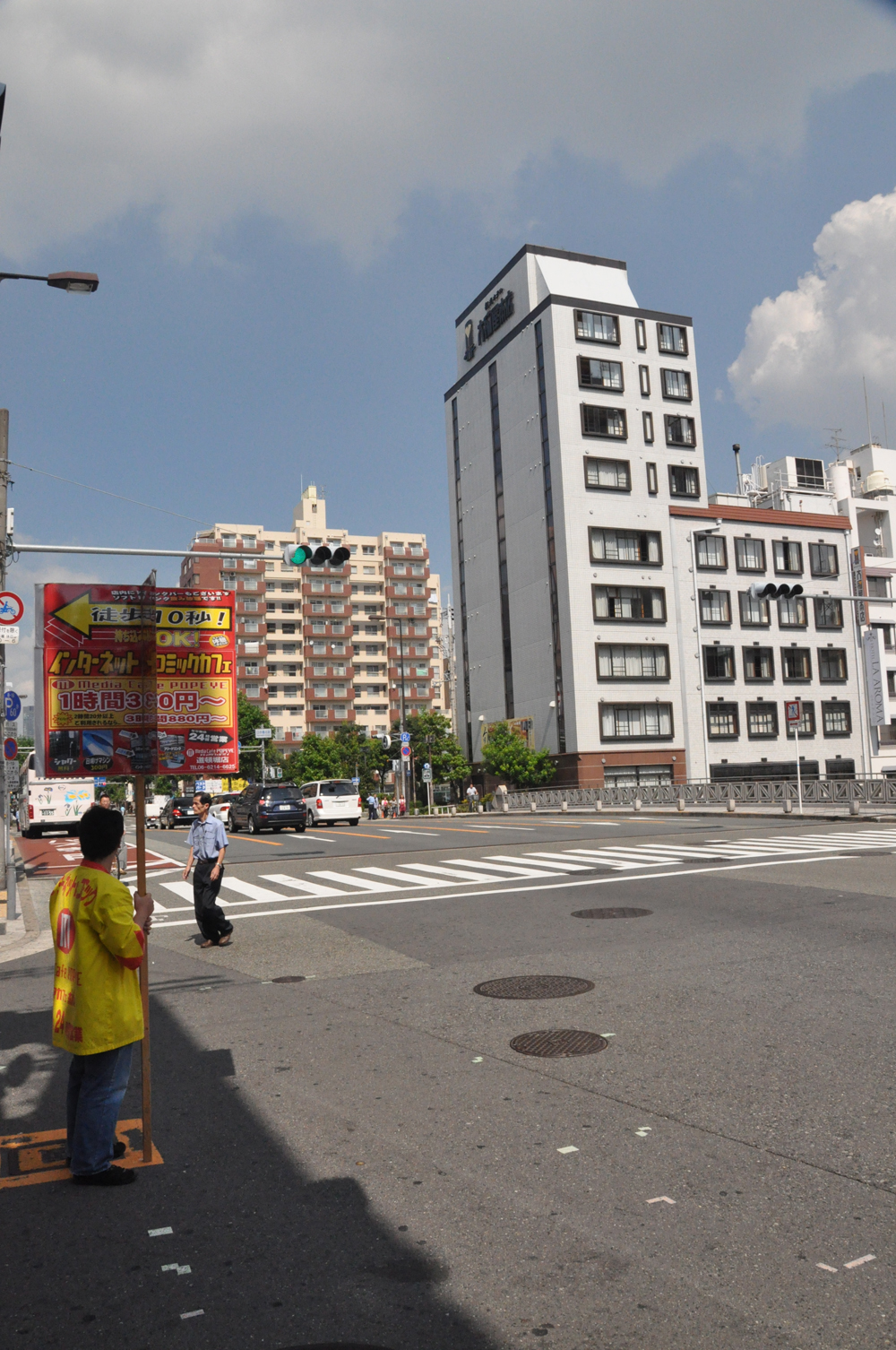
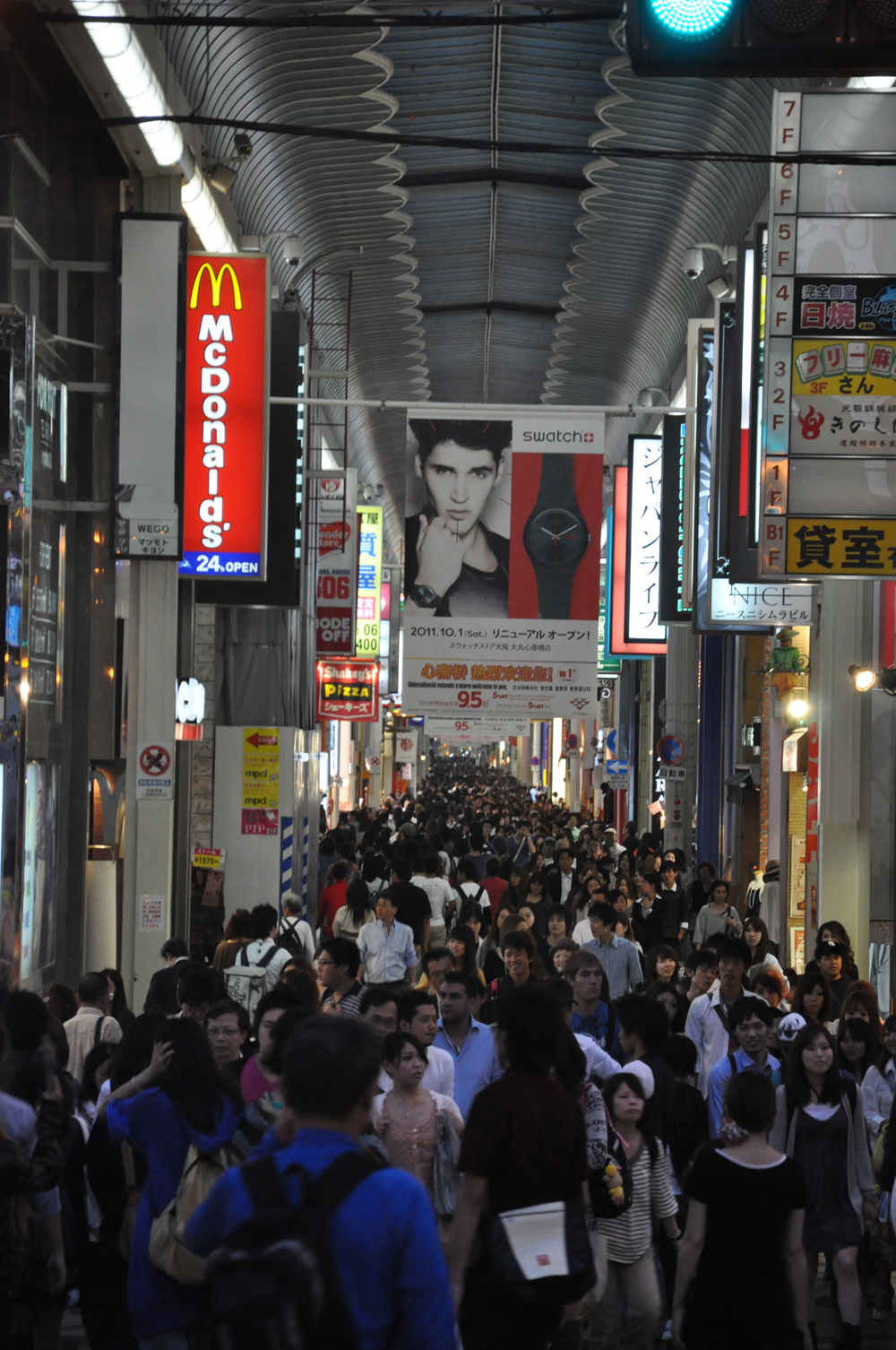
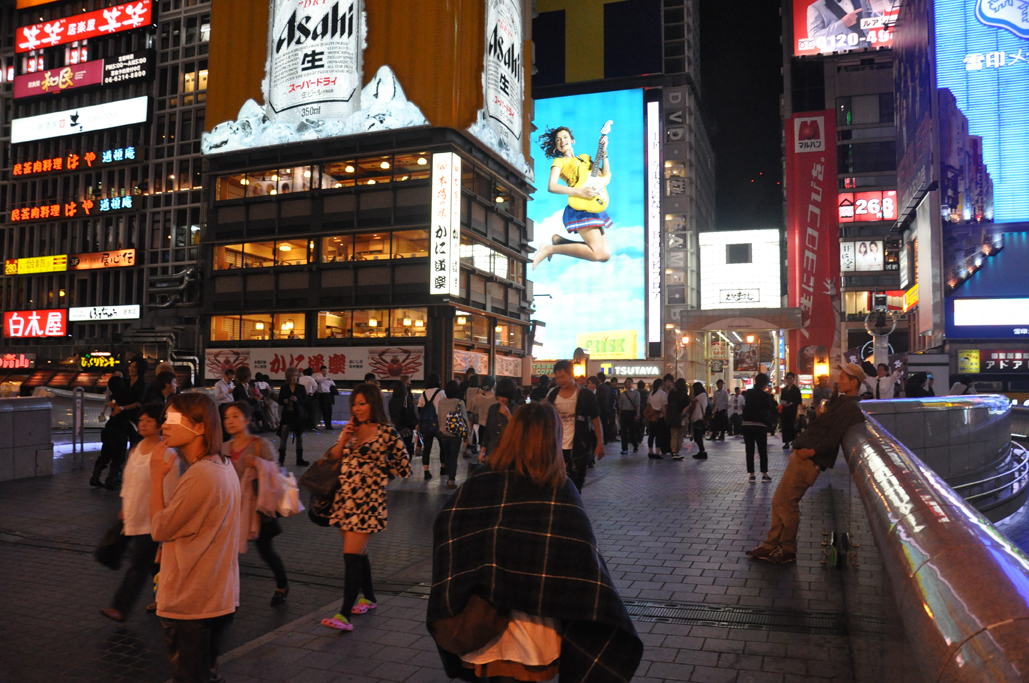
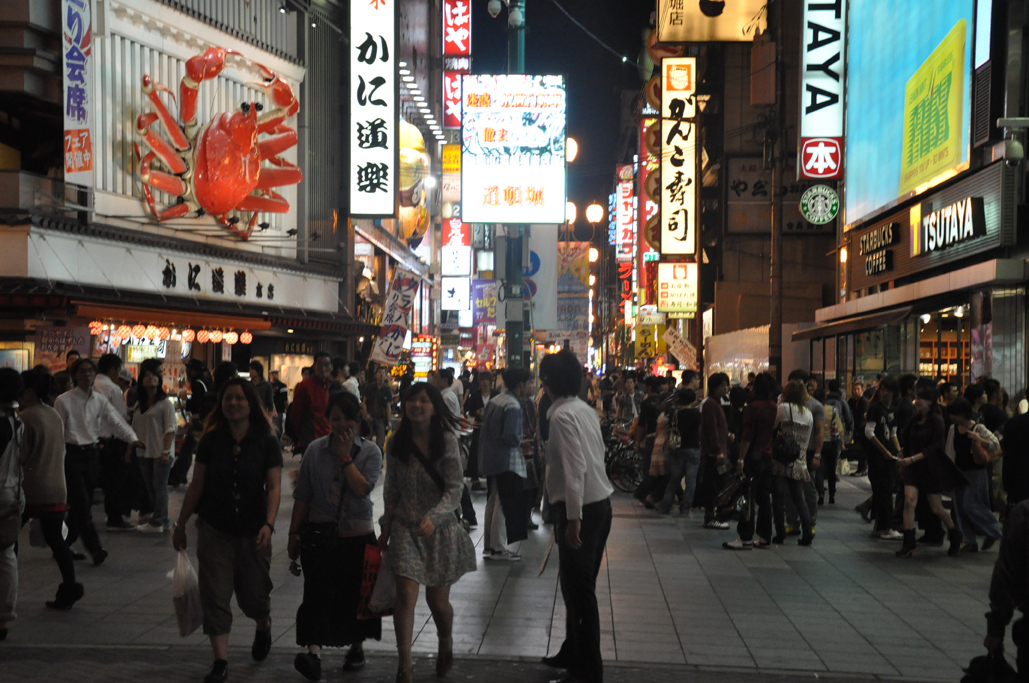
Central Osaka is often divided into two areas referred to as Kita (キタ, lit. north) and Minami (ミナミ, lit. south), at either end of the major thoroughfare Midōsuji.[25] Kita is roughly the area surrounding the business and retail district of Umeda. Minami is home to the Namba, Shinsaibashi, and Dōtonbori shopping districts. The entertainment district around Dōtonbori Bridge with its famous giant mechanical crab, Triangle Park, and Amerikamura ("America Village") is in Minami.In Yodoyabashi and Honmachi, between Kita and Minami, is the traditional business area where courts and national/regional headquarters of major banks are located. The newer business area is in the Osaka Business Park located nearby Osaka Castle. Business districts have also formed around the secondary rail termini, such as Tennoji Station and Kyobashi Station.
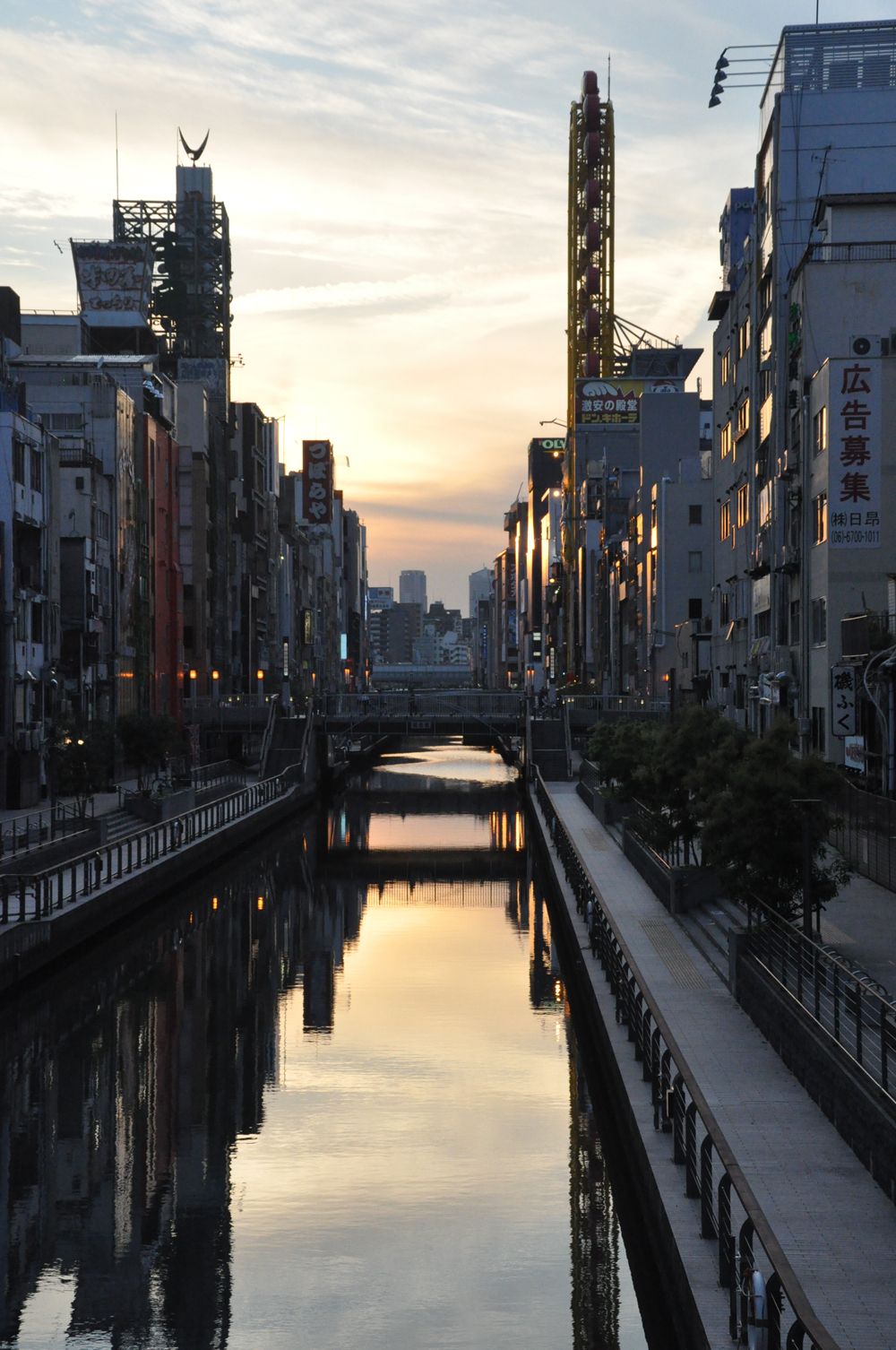
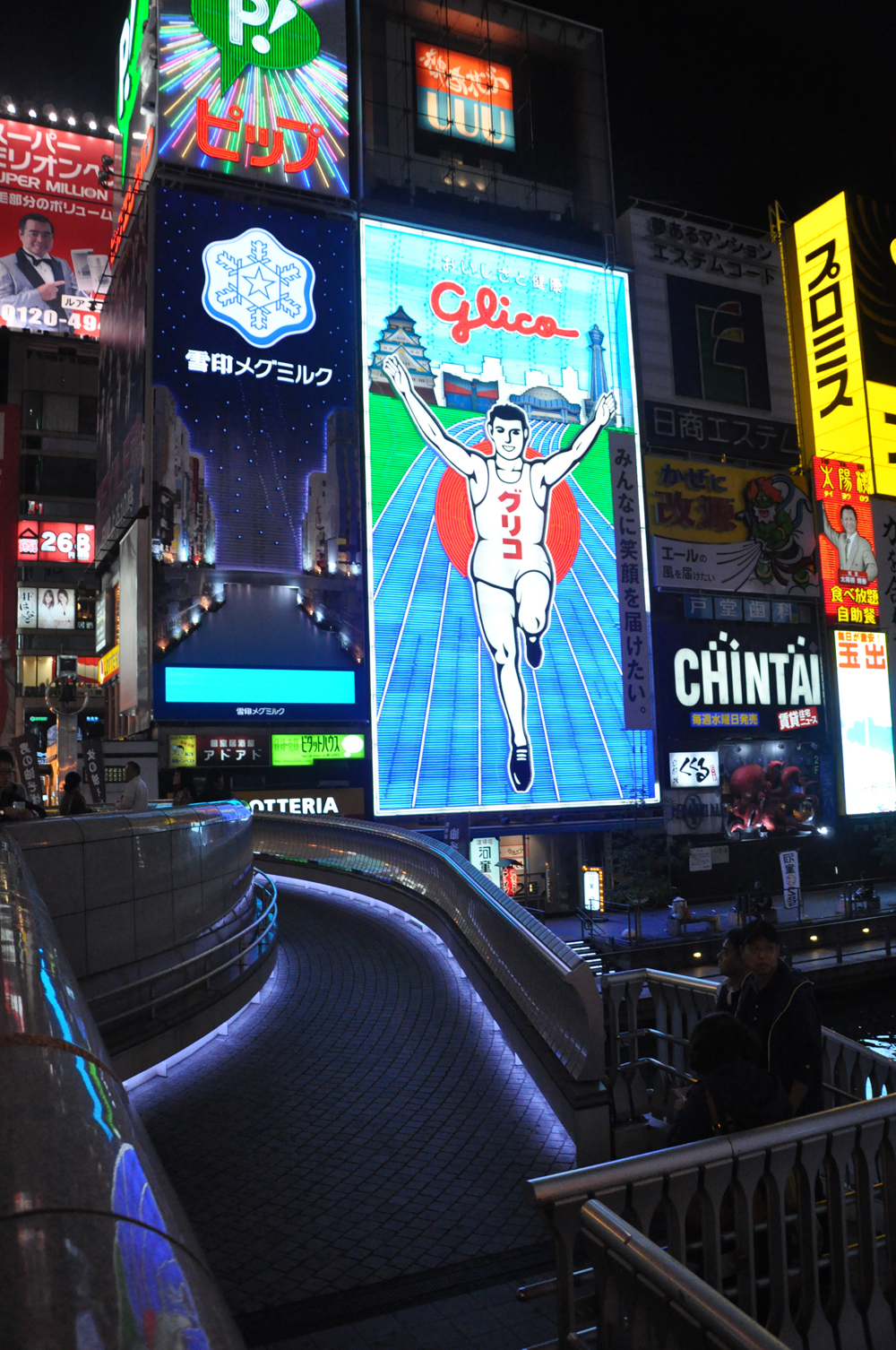 "The 808 bridges of Naniwa" was an expression in old Japan for awe and wonder, an adage known across the land. "808" was a large number which symbolized the idea of "uncountable". In the Edo period there were only about 200 bridges. Since Osaka is crossed by a number of rivers and canals, many bridges were built with specific names, and the areas surrounding the bridges were often referred to by the names of the bridges, too. Some ofthe waterways, such as the Nagahori canal, have been filled in, while others still remain. In 1925, there were actually 1629 bridges in Osaka but with the filling in of canals and rivers, as of April 2003, the number has dropped to 872, 760 of which are currently managed by Osaka City.
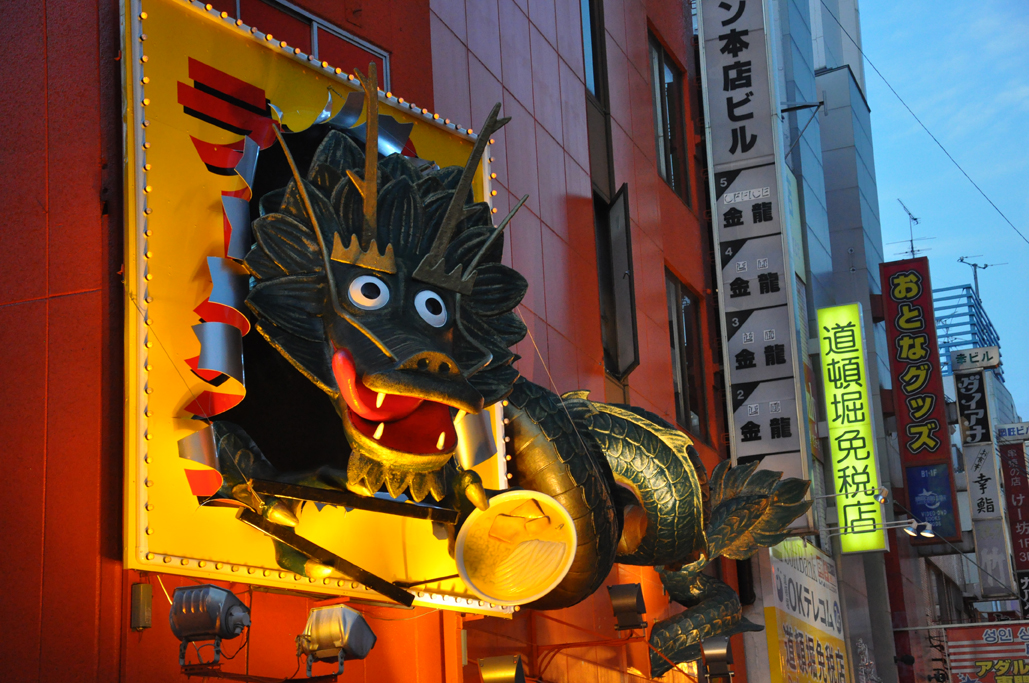
Some of the most famous images of Osaka, including the Glico Man and the Giant Enemy Crab, are located around the Dōtonbori canal in Namba. Namba is also known as an entertainment district, and hosts many of the city's most popular bars, restaurants, nightclubs, arcades, and pachinko parlors. The area is also known for shopping, with the Takashimaya department store (for older styles) and the sprawling underground Namba City shopping mall (for newer styles).
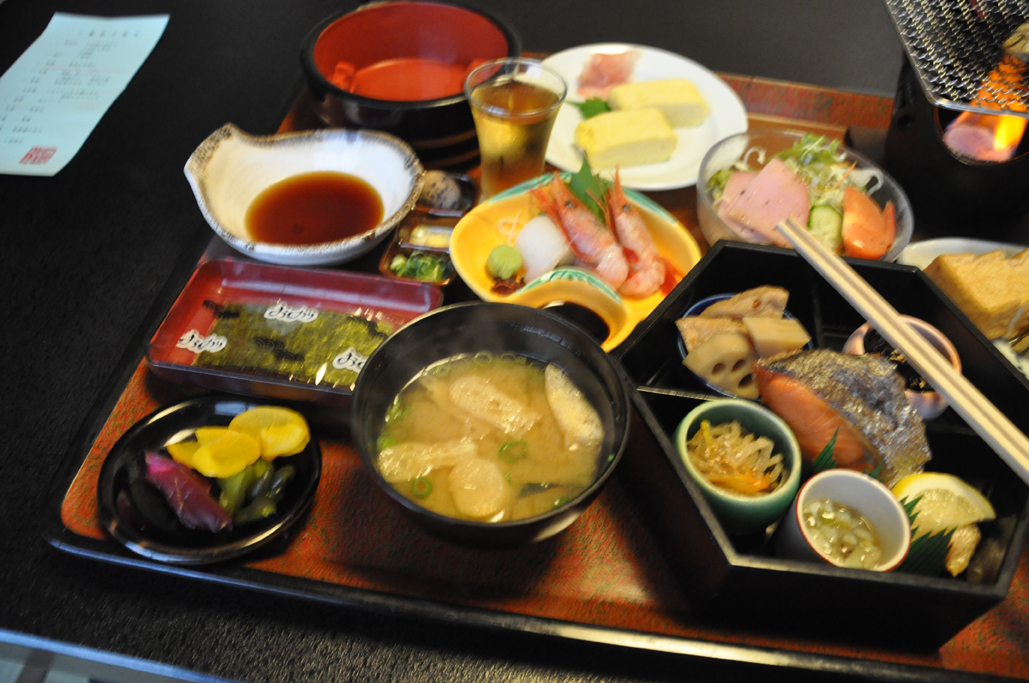
Kuidaore (食い倒れ) is a Japanese word meaning roughly "to ruin oneself by extravagance in food." It is sometimes romanised as cuidaore, and is part of a larger proverb: "Dress (in kimonos) till you drop in Kyoto, eat till you drop in Osaka" (京の着倒れ、大阪の食い倒れ).
The word is associated with Dōtonbori, and is often used in tourist guides and advertisements. It can be seen in the names of several locations in Dōtonbori, such as the mascot Kuidaore Taro.
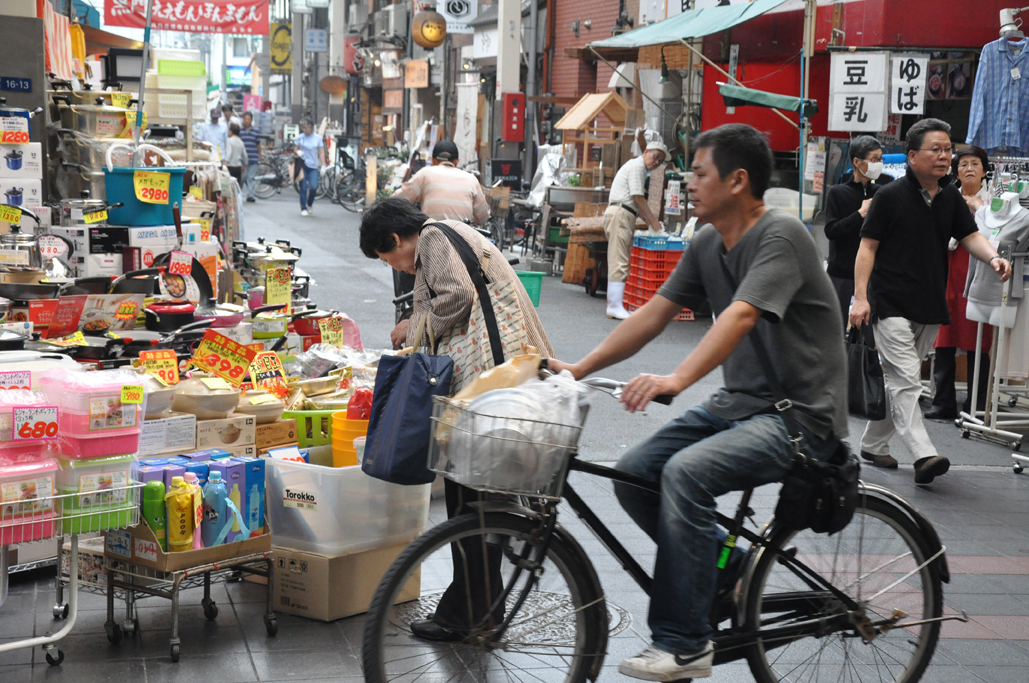
Sennichimae Doguyasuji Shopping Street is lined with specialty stores of all kinds of cooking utensils and kitchen items. Osaka is called the "Kitchen of the world" where lots of chefs work with highly trained minds and skills. Stores stocking tools accommodating such professionals congregate in Doguyasuji.
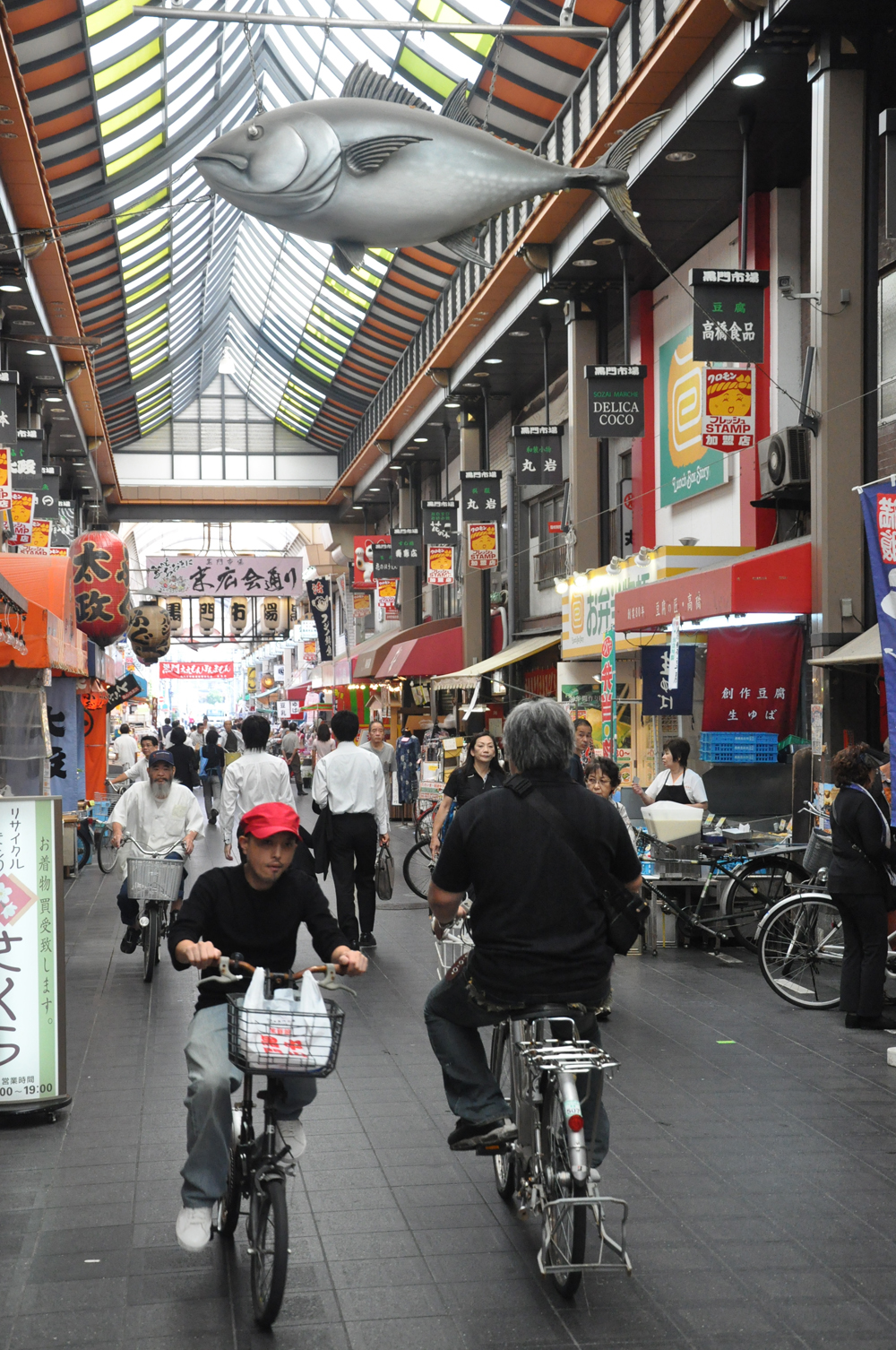
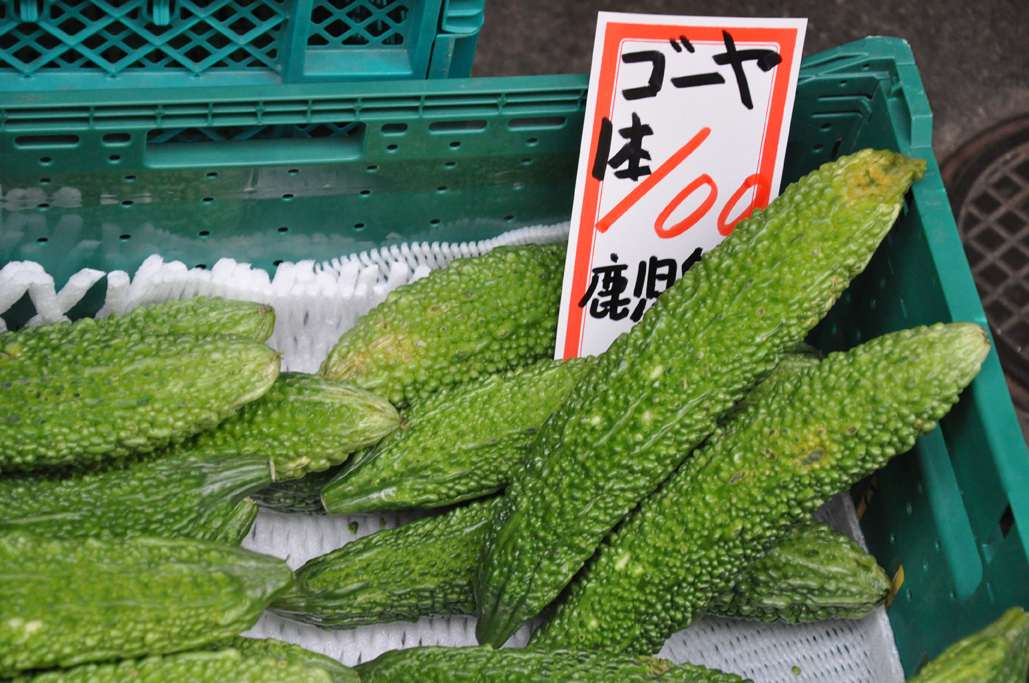
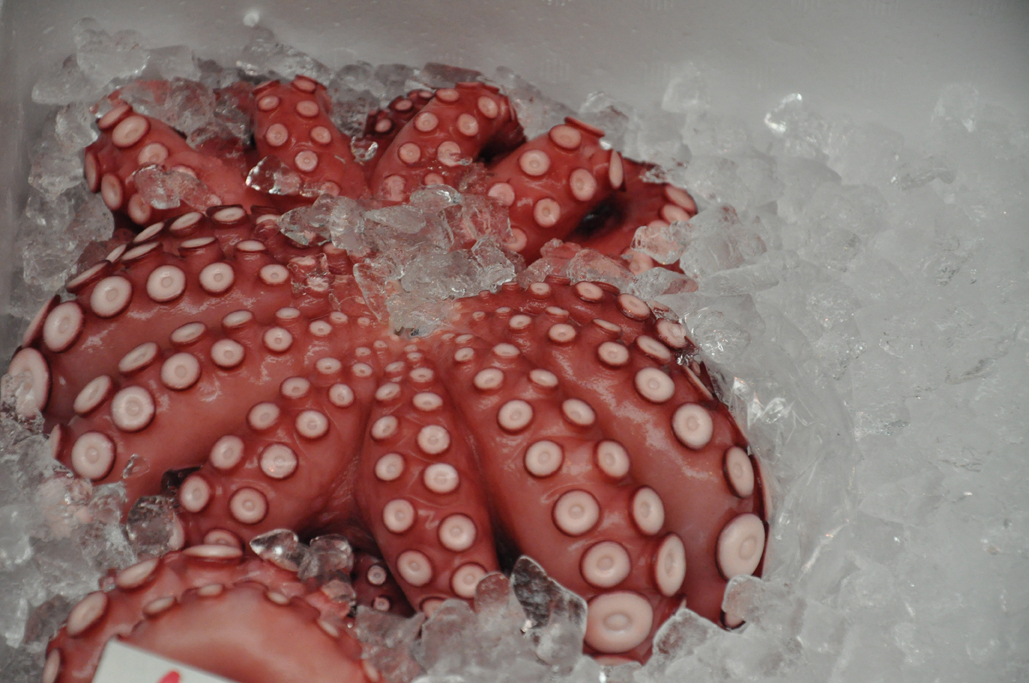
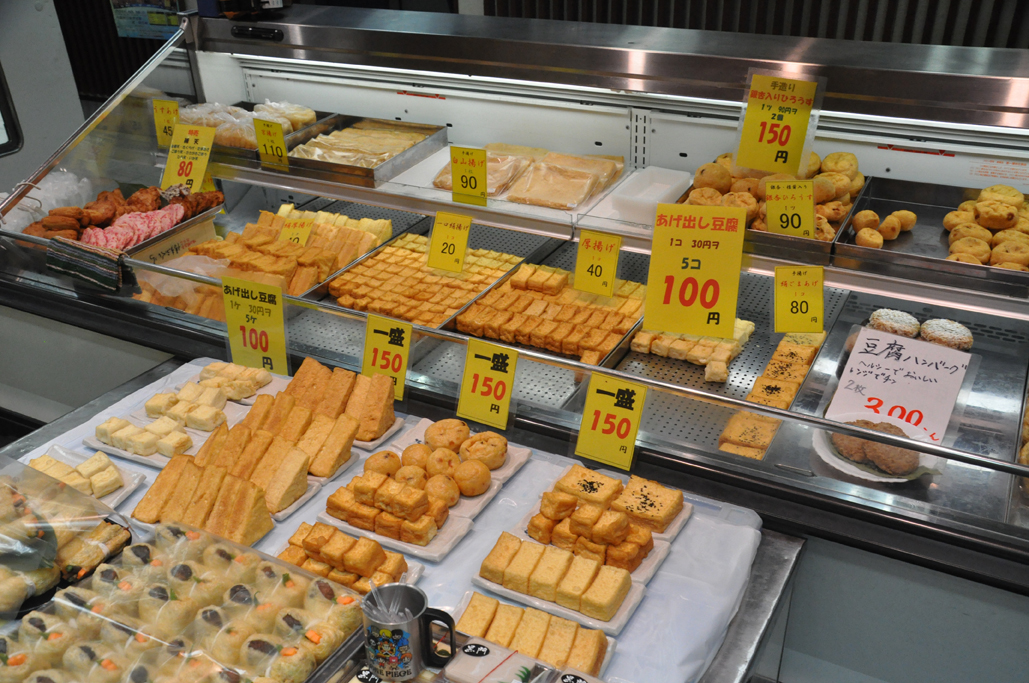 Until the end of the Meiji Era, the Kuromon Ichiba Market used to be called Emmeiji Market, because there was once a large temple called Emmeiji nearby. Since there used to be a black gate northeast of this temple, the marketplace later came to be called"Kuromon Ichiba Market"(Black Gate Market). The market has a total length of close to 600 meters with 170 shops, the vast majority of which specialize in the freshest and best quality meat, vegetables, eggs and other ingredients from around the country and abroad. Although well over half of total sales are for the business (professional chef) market, Kuromon Ichiba caters also to the general public. For more than 170 years, everyone from restaurant chefs to housewives have come here, drawn by the taste, freshness and variety of its products.