 This journey, the one to Japan and the one into my self, is primarily one of examining geography. From as far back as I can remember I have looked for opportunities to go beyond my familiar surroundings to see what exists beyond my everyday boundaries.
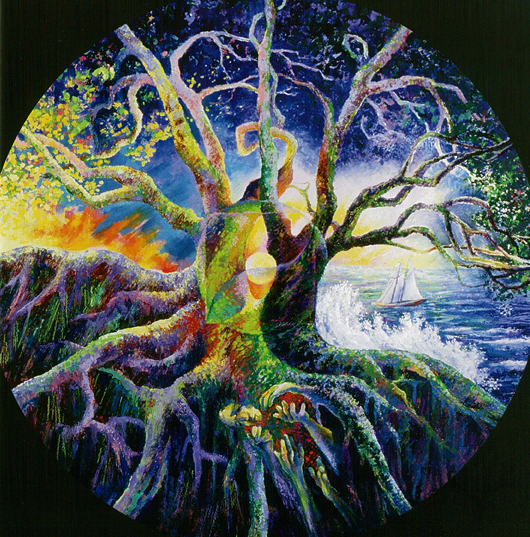
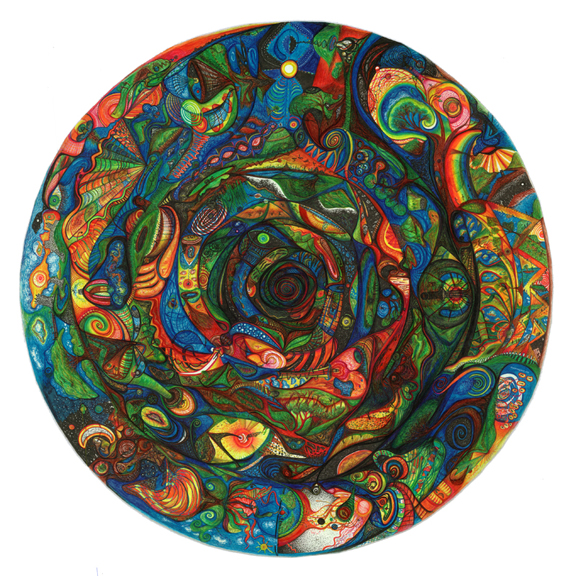
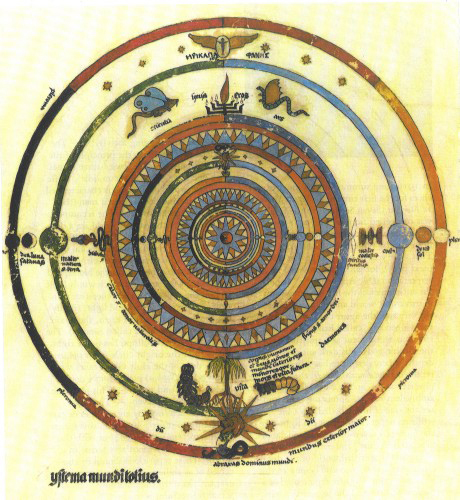
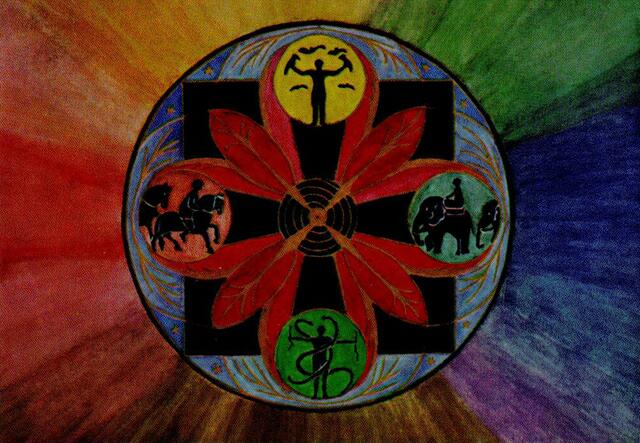
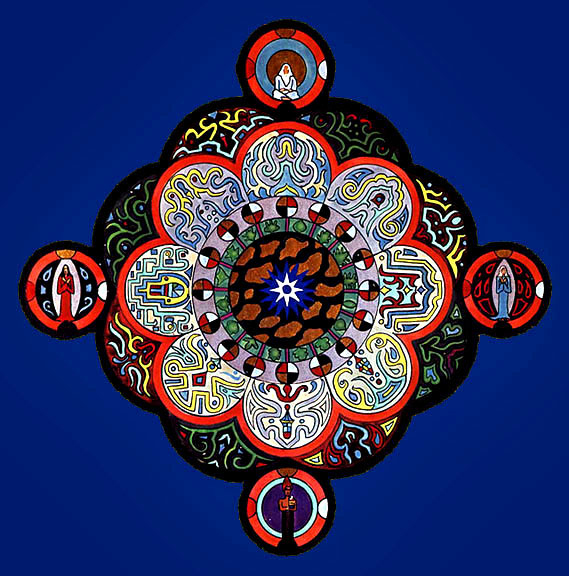
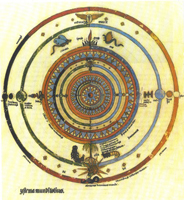
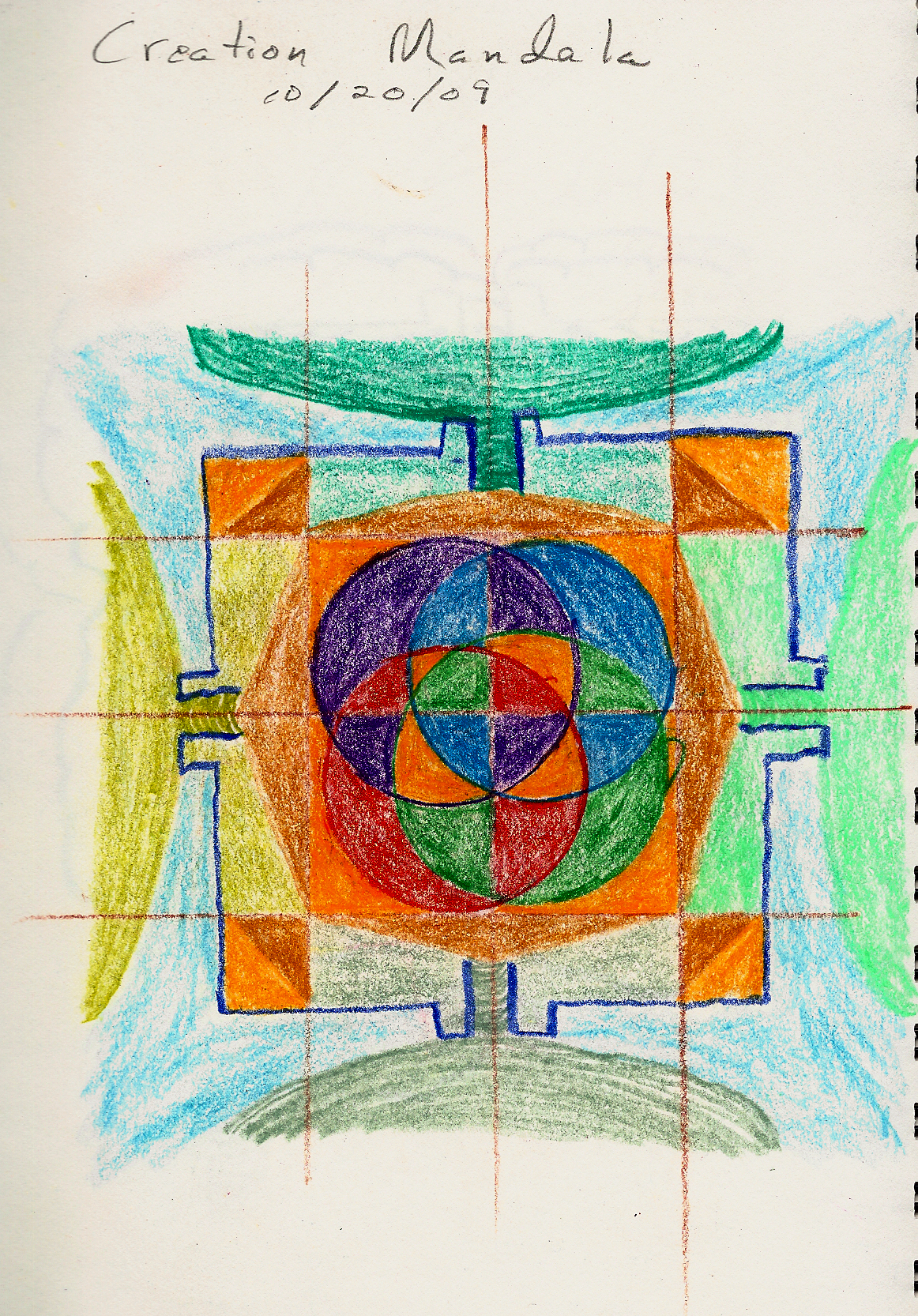
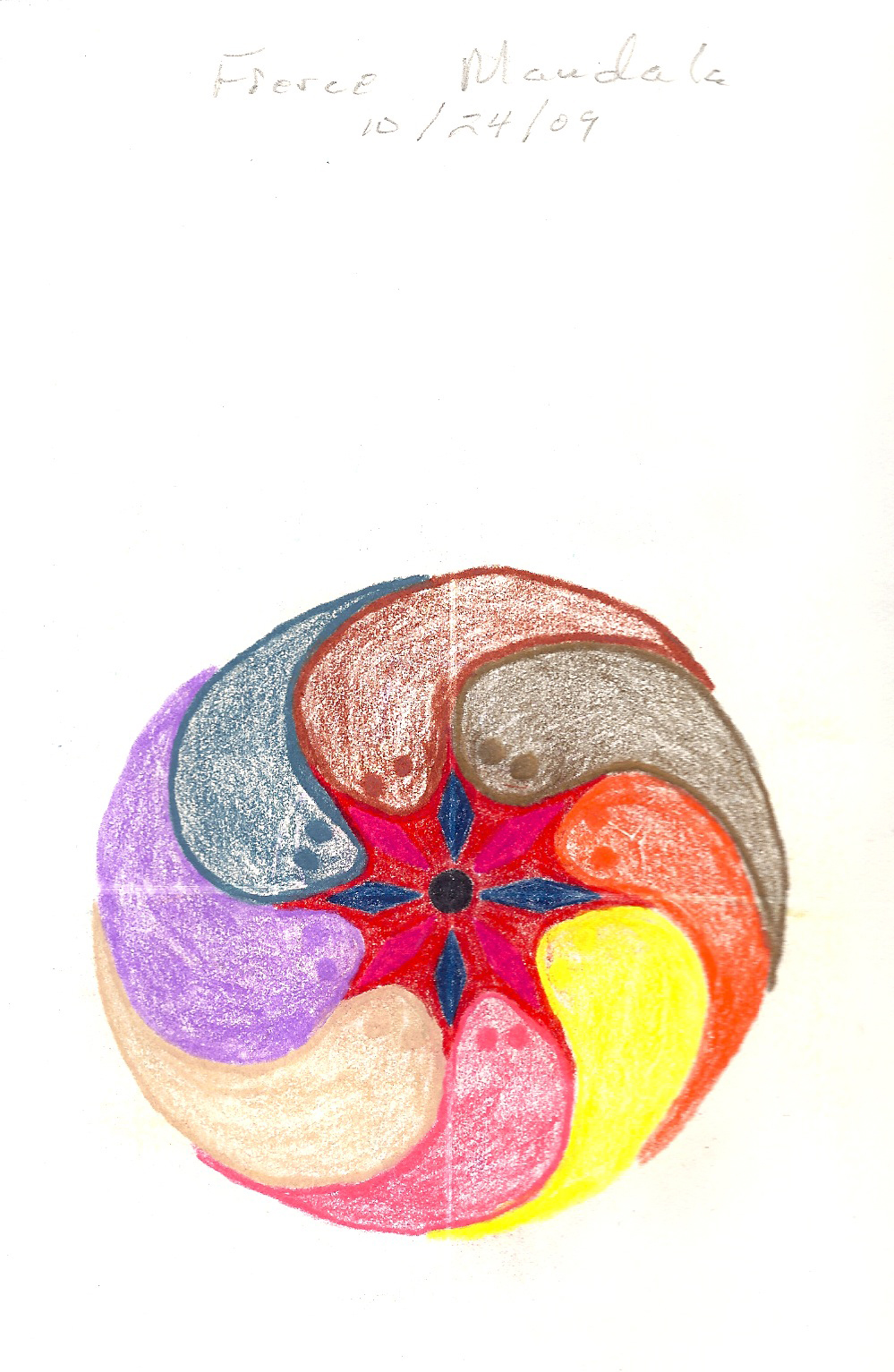
The New Oxford American Dictionary defines mandala as a geometric figure representing the universe in Hindu and Buddhist symbolism. The word itself comes from Sanskrit meaning 'disk'. Within psychoanalysis, mandalas sometimes present themselves as a symbol in a dream, representing the dreamer's search for completeness and self-unity. Examples of some of my own mandalas are seen on these first two pages: the broken compass, fierce mandala, and creation madala.
Mandalas represent a certain type of cosmology at a given point in time. They are, by their nature, transitory. Nonetheless they represent a sacred geography. If they are a momentary glimpse into the individual or archtypal soul of humanity, they are still sacred images because they represent the core of an individual or collective self. Tibentan monks create beautiful and intricate mandalas mandalas out of colored sand. After a painstaking and exacting creation which would be artistically worthy of preservation, they destroy their creation since it only represents a snapshot of the time in which it was created. Japanese buddhist mandalas, on the other hand, are usually preserved as objects which assist with prayer. These mandalas serve as guideposts to enlightenment.
 I'm writing thiswhile taking the Hikari Rail Star, my favorite shinkansen, to Nagasaki. Two pictures to imagine: 1.) we are zipping through alternating bands of heavy rain and open vistas of whatever (urban areas and ripening rice paddies) is passing by. 2.) the man diagonal from me across the aisle is reading the English Japan Times, my favorite Japanese paper, the headline of which says, "80,000 Order to Evacuate Nagoya" in advance of the typhoon. At the moment we are hurtling toward Nagoya and no one seems particularly concerned. It has been humid since my arrival and I had the vague sense that a typhoon was approaching Japan. Wow, yeah, the rivers are raging. Nagoya is where it's supposed to hit, so if I can get to Osaka for the transfer I'll be home free. I won't post this until I'm sure things will be ok.
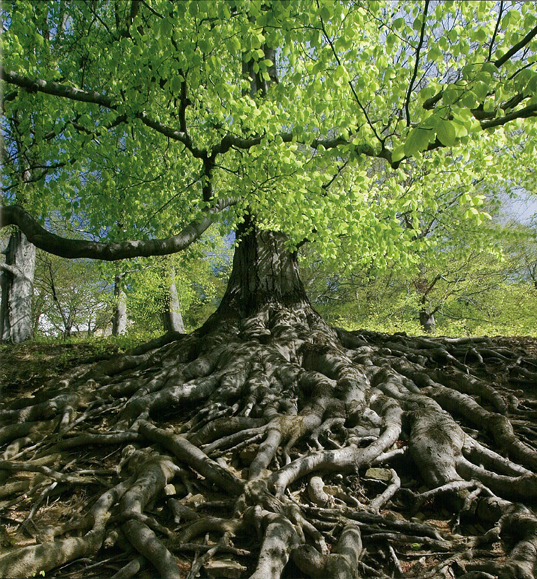
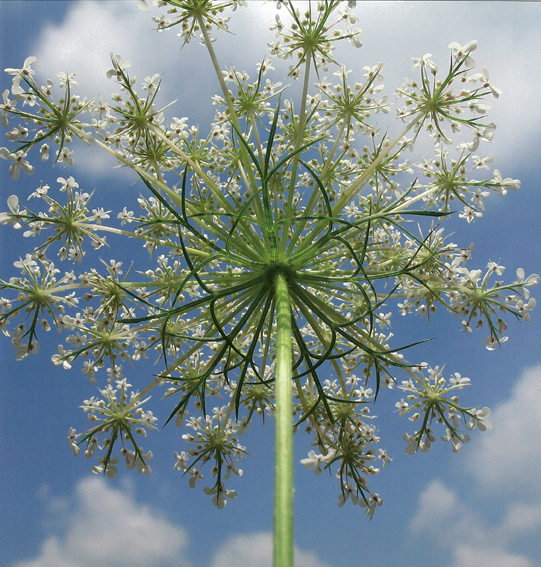
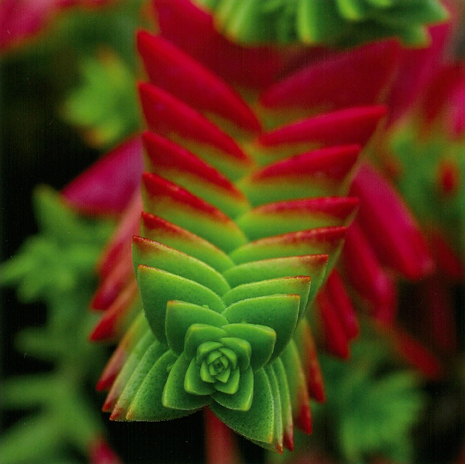
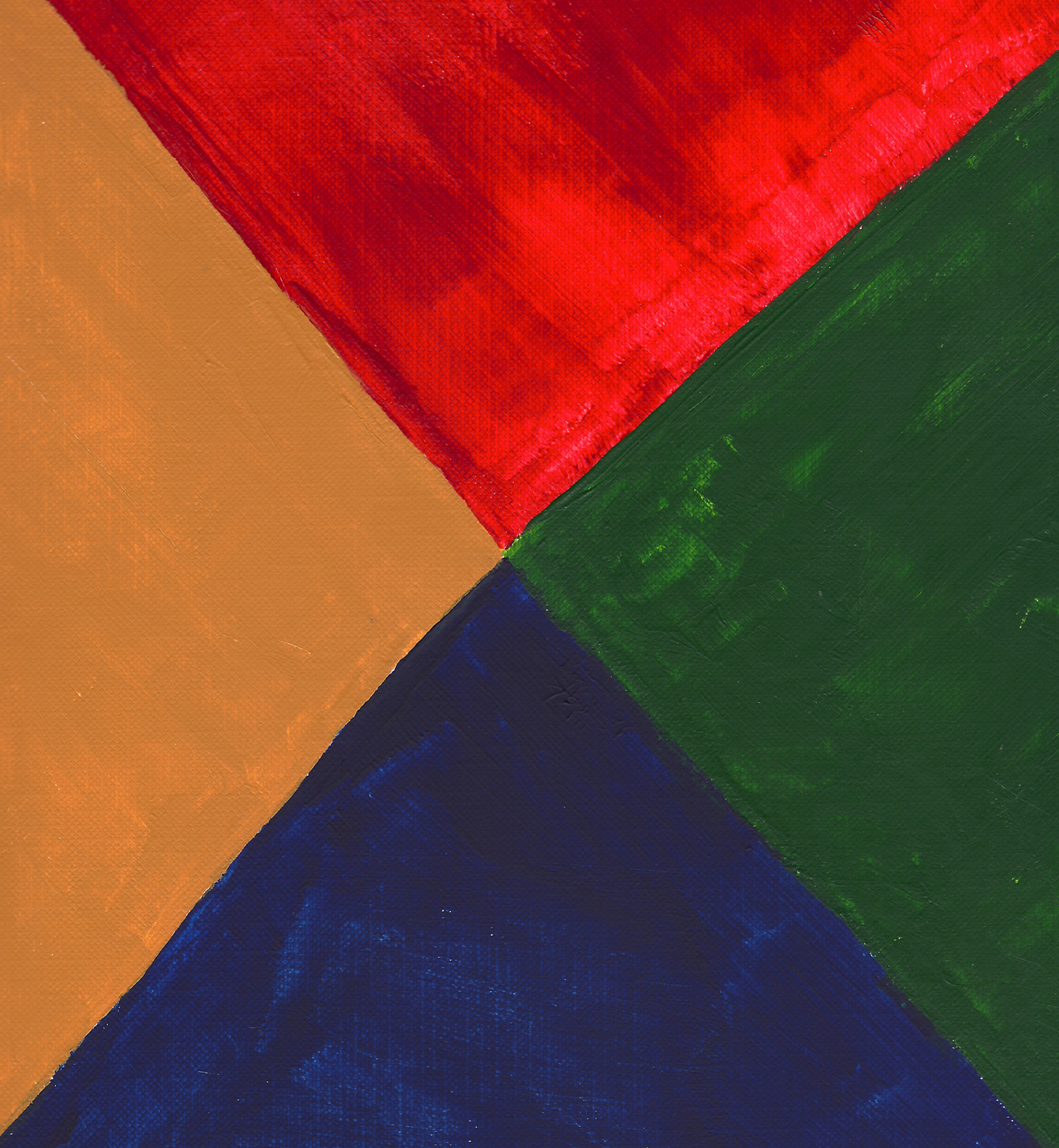
The first three mandalas on this page are my own creations. I won't say here what any of these represent to me, but I instead provide them for your benefit. Perhaps they can spark your own imagination. What elements of your life at this moment are foundational to everything else? What are you building on top of that foundation? What in your life causes you to look inward? What forces give you life and propel you outward?
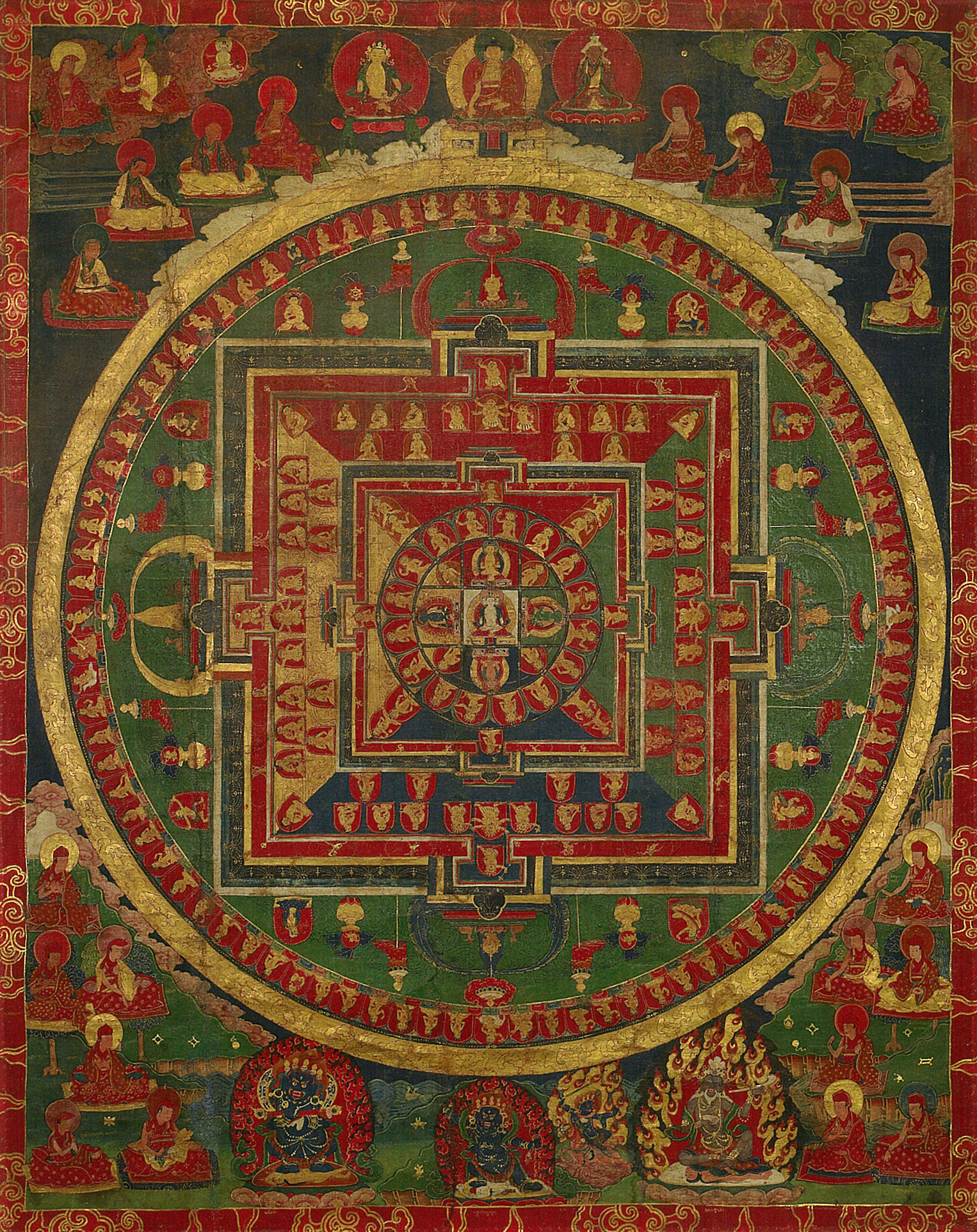
The first is a basic field you see under most Tibetan mandalas. These four triangular fields represent the basic cosmological forces of creation upong which everything else is built. Click here to see an example of how a Tibetan mandala builds on this basic field.
 From all outward appearances Japan as a country has not changed much as a result of the disasters of last March. It feels like August feels back home, only muggier and better smelling. Everything is alive. Last year rice was beginning to be harvested and there were hints of Fall. That was in October. Now there's no evidence of cooler temperatures approaches. Family gardens are in full swing and everything is a deeper green than anything I've ever seen. A couple differences from before is that airconditioning is more limited and there are not as many lights at night. That said, there are still more sign than New York's Times Square. There is supposed to be electric rationing due to damaged nuclear power plants and safety concerns at others, but there's next to no evidence even in Tokyo.
As I've said in last year's Japan Journal, Japan is remarkably easy to navigate. The geography of mountains, peninsulas, forests, and rice paddies provide a landscape very different from what I see every day. Aside from curves, everything looks different. Maybe there's really nothing special about Japan. You could easily get this experience anywhere that's diferent, but what I value most is that the geography is just different. The journey I embarked upon three years ago is really about finding stable geography within. The visible differences spark appreciation. The cultural differences put me off an interior geographic center.
This forces me to consider how small I am in the scheme of things. I struggle on a day to day basis with situating details within the bigger picture. I swing between seeing the value of what do and thinking it is not important. This makes it difficult to feel like I have a stable context within which to identify my self. I frequently overidentify my work with my self. I have fewer questions about the validity or fruitfulness of my profession than I did at this time last year. I believe I'm in good existential shape if lingering doubts cause me to not overidentify with my present circumstances and give energy to the ongoing creative process or the real work of individuation.
The home of Shingon Buddhism on Koyasan situates itself in an alpine valley surrounded by eight mountain peaks resembling a lotus. This in itself is a geographic mandala, but the sect also considers itself to be the center of a mandala comprising all of Japan, the world, and the cosmos. They believe their founder, the monk Kukai, was a living embodiment of the cosmic Buddah. There are other embodiments and other expressions of enlightenment, so I sense an openness to Shingon which admits my practice of religion or yours. WIthout understanding the nature of the spiritual geography of either Shingon Buddhism or that Japan now represents to me, I entered unawares last year into a cosmic mandala.
I am captivated by expressions of the unity of creation, expressions of life as it seeks to reach out compassionately, and a mystery which provides occasional spontaneous insights.