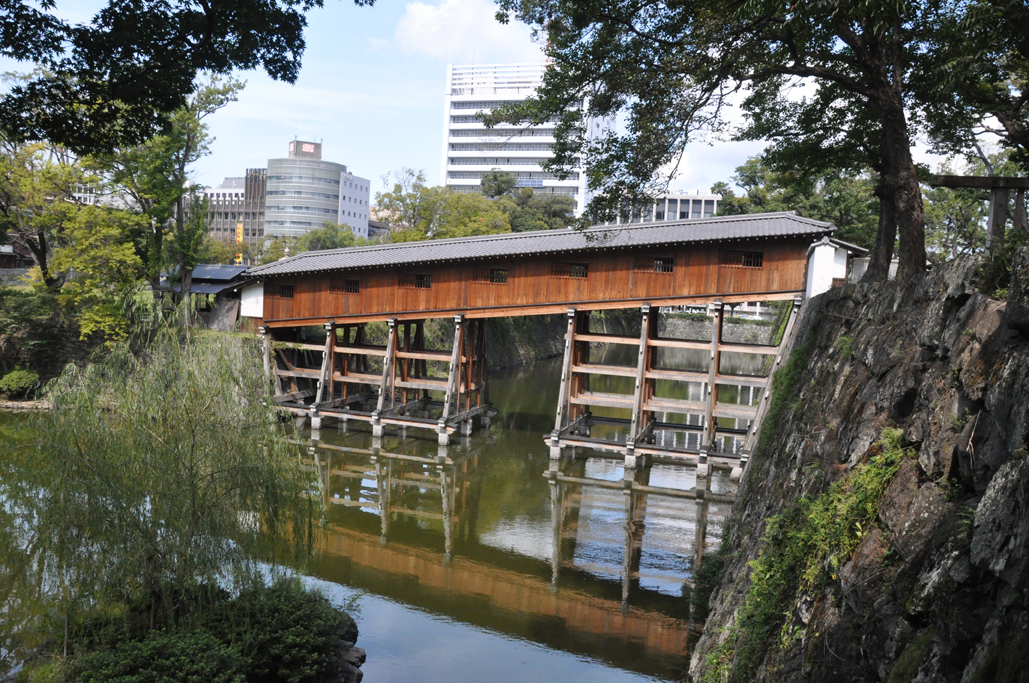
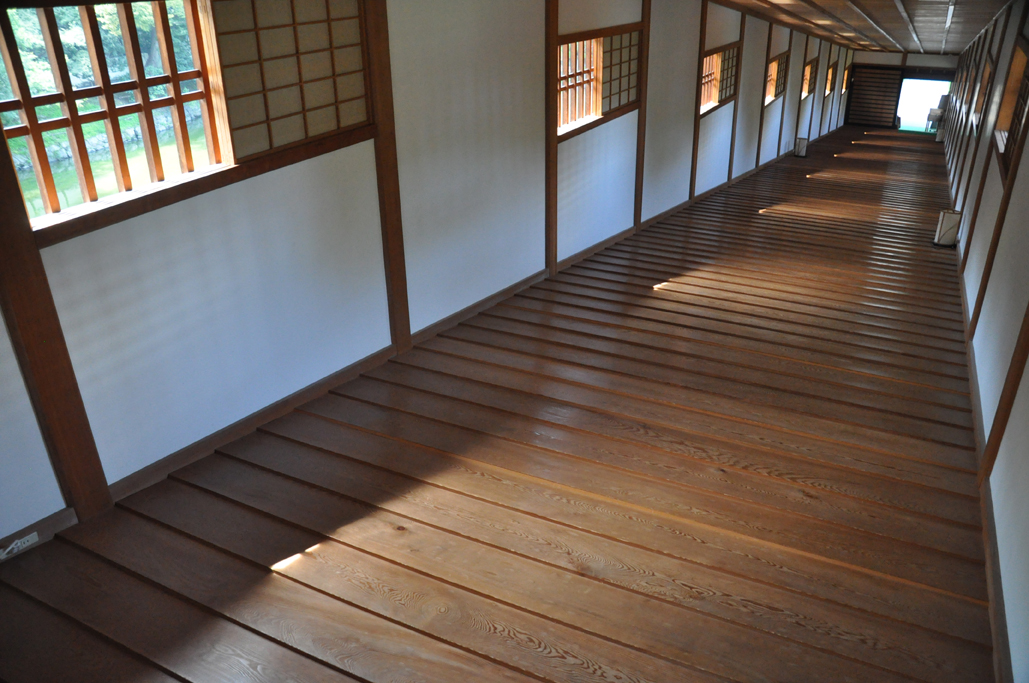
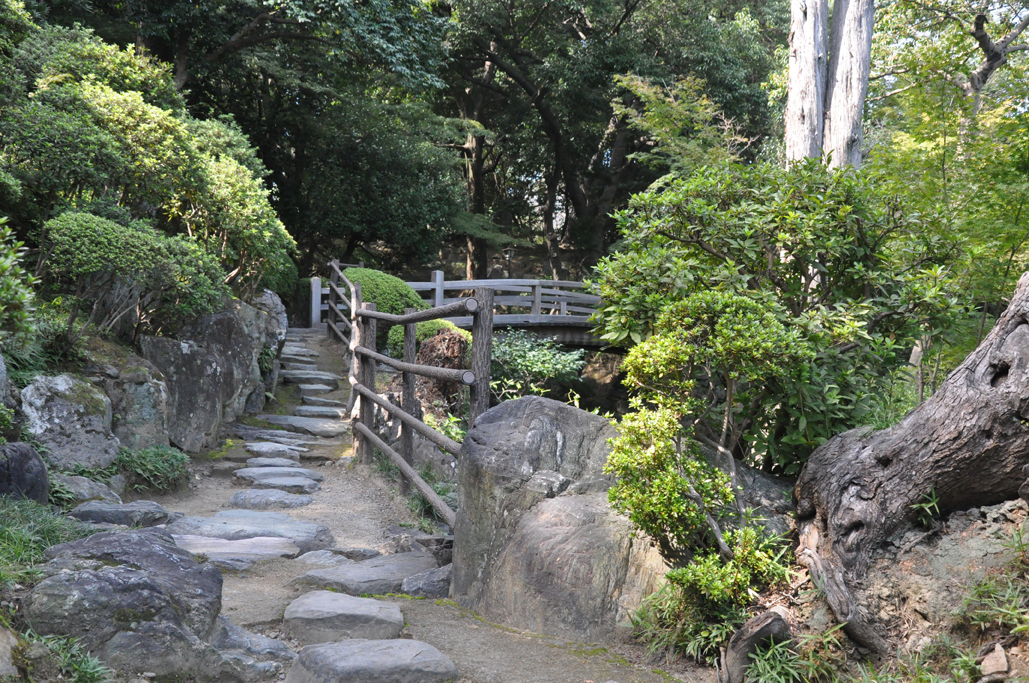
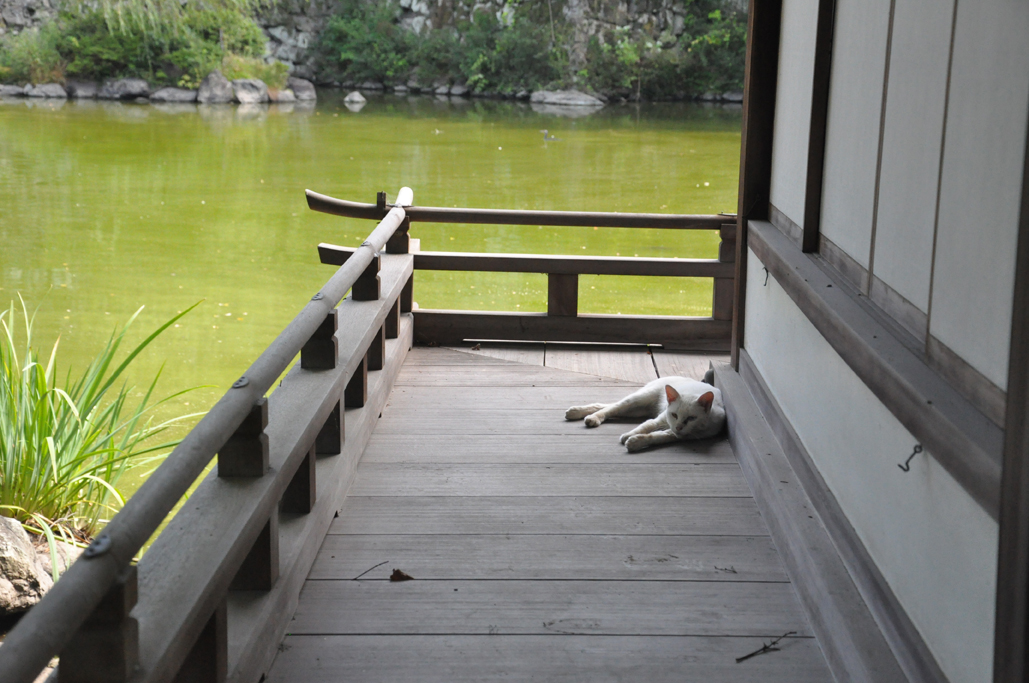
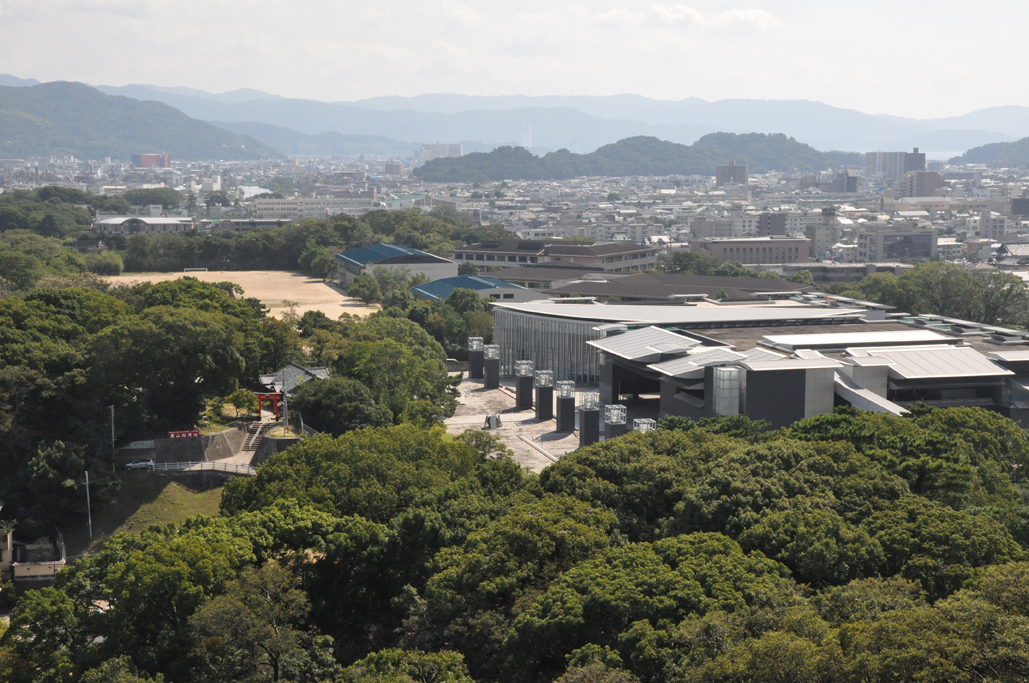
 The capital of Wakayama Prefecture, Wakayama City is located at the mouth of the Kinokawa River, in the northwest corner of the prefecture. Blessed with an ideal geographic location, Wakayama City enjoys immediate access to Kansai International Airport and Osaka, while preserving the historical and cultural legacy that has flourished in this area for centuries.
The Wakayama area has been inhabited for thousands of years, and the beautiful Kinokawa River and Wakanoura region were favorite destinations of ancient poets, who visited the area from the traditional capitals of Nara and Kyoto. The City began to take shape with the construction of the castle in 1585. As a bustling castle town, Wakayama City became the political and economic core of the Kishu Domain during the Tokugawa Shogunate era. The area grew and high culture flourished, and Wakayama City generated many highly educated people who became the cultural leaders of the modern era. Wakayama City continues to progress and thrive, while maintaining its local flavor and strong sense of community.
 Toyotomi Hideyoshi arrived in Wakayama, in 1585, during his quest to unify the country. To protecthis interests in Western Japan, Hideyoshi ordered his brother, Toyotomi Hidenaga, to construct Wakayama Castle. In 1600, Asano Yoshinaga arrived in Wakayama, to serve as castle lord. After the Tokugawa family gained control of the government, Tokugawa Ieyasu dispatched his 10th son, Tokugawa Yorinobu, to rule the domain in 1619. Yorinobu's acquisition of the Kishu area solidified the Tokugawa family's three domains of Mito, Owari and Kishu. Wakayama City flourished as the core of the Kishu Tokugawa Domain, which, during its height, netted 555,000 goku of rice.
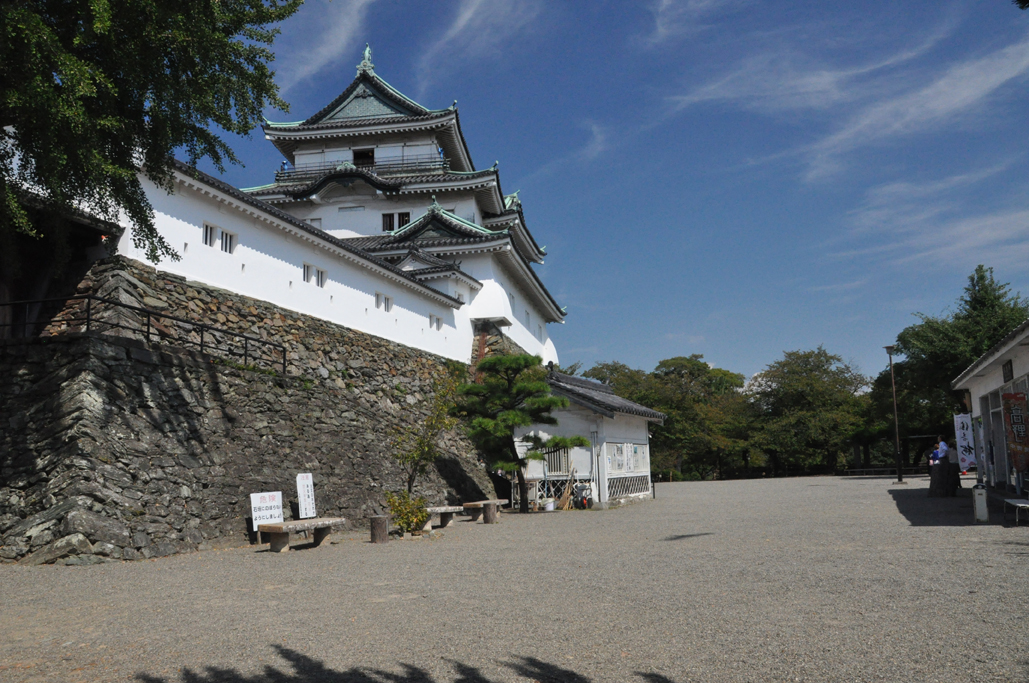
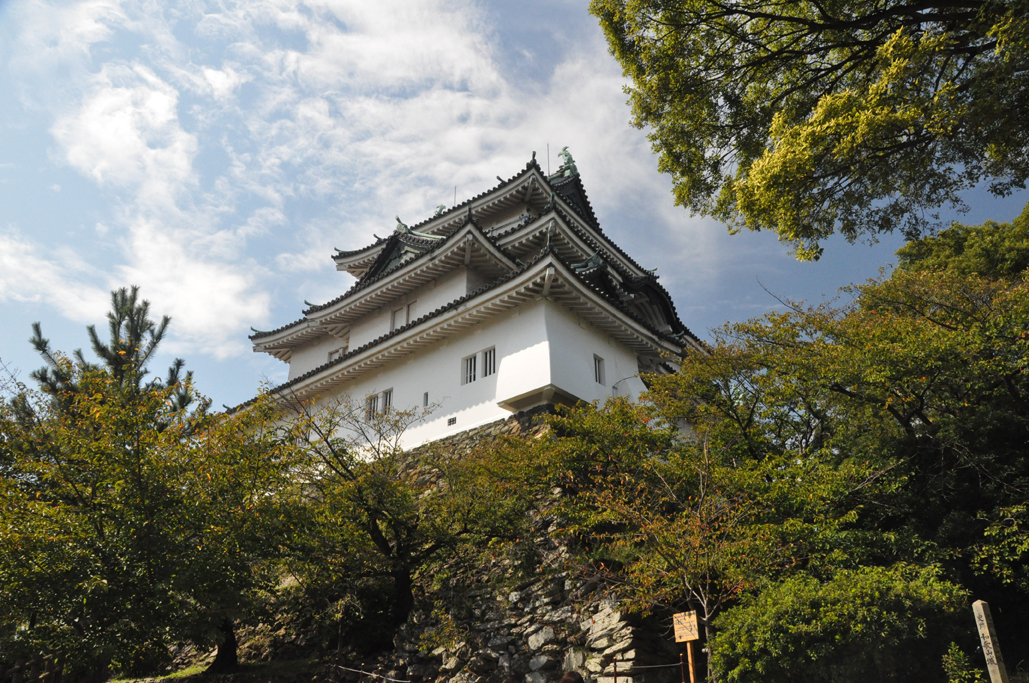
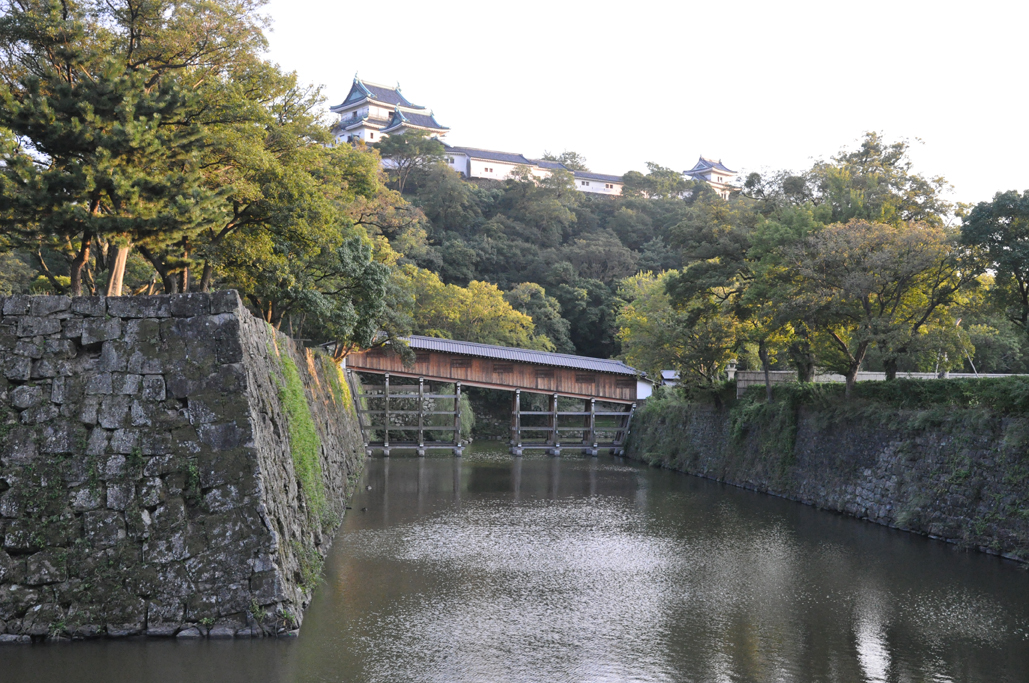
Upon the abolition of the feudal system in 1871, Wakayama Castle grounds opened to the public for the first time and has since become the symbol of the City.
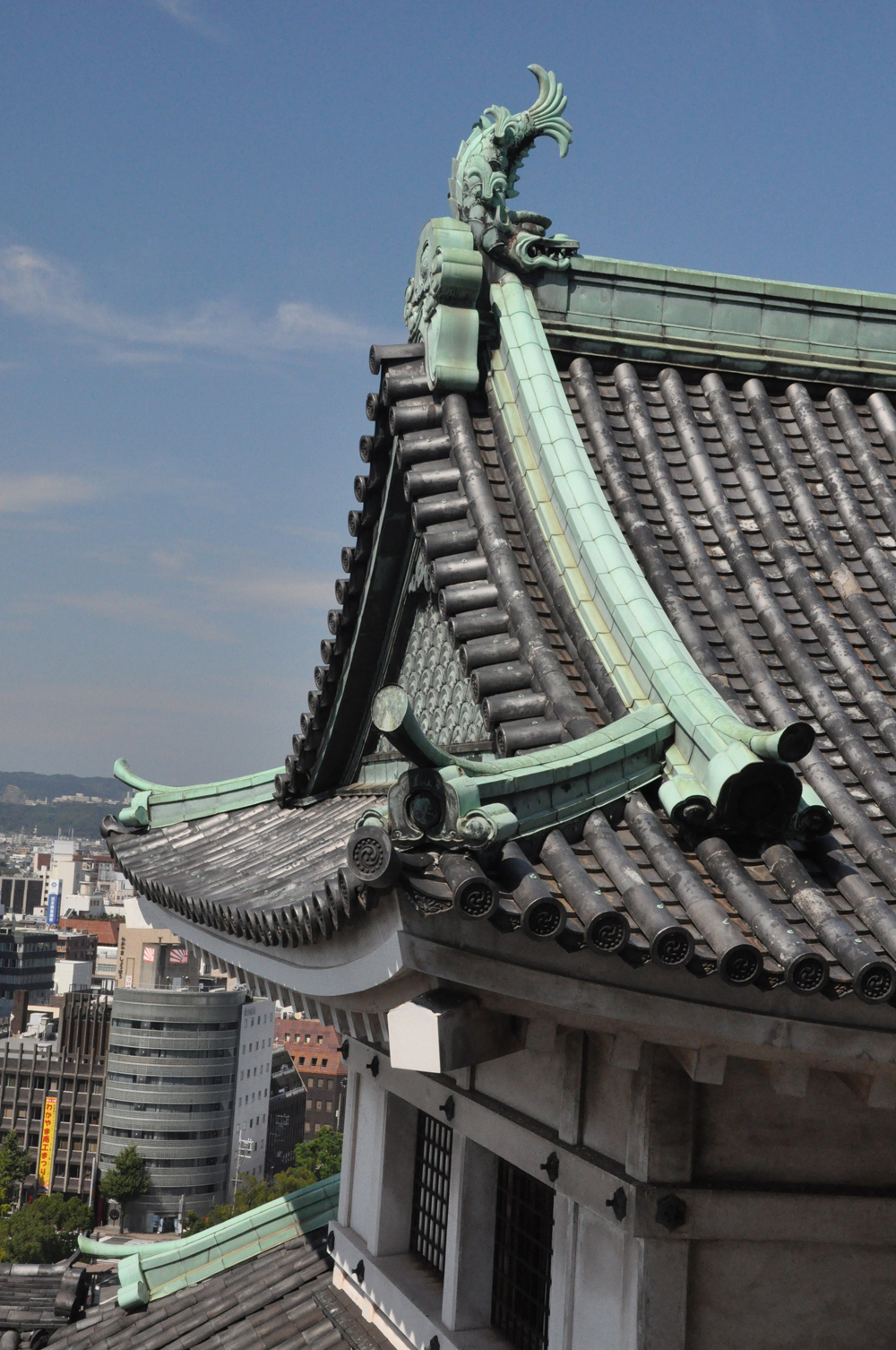
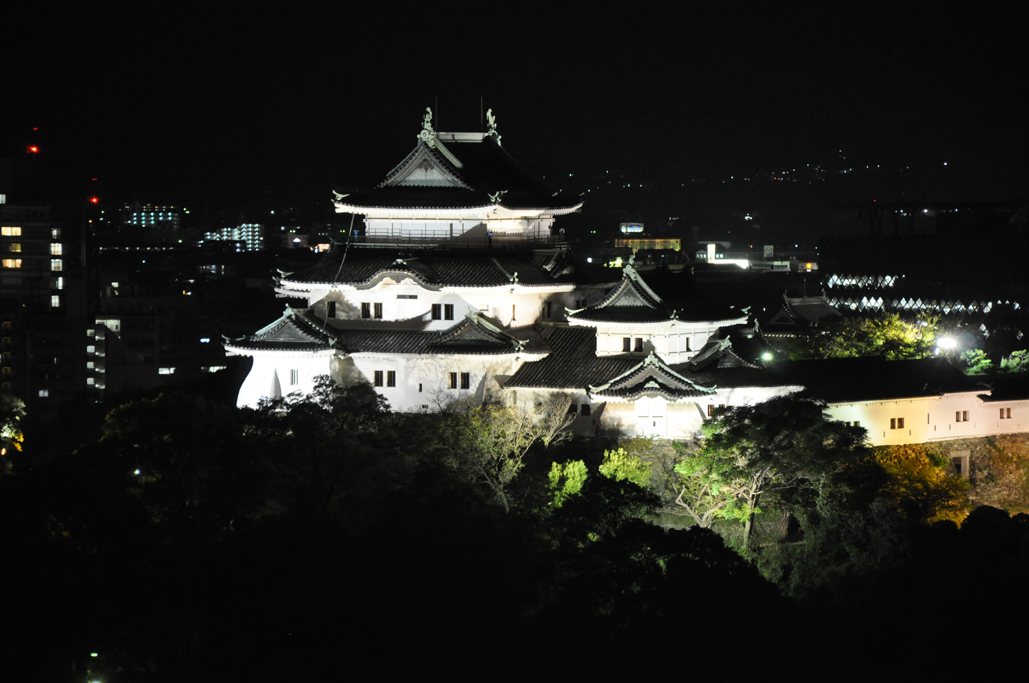
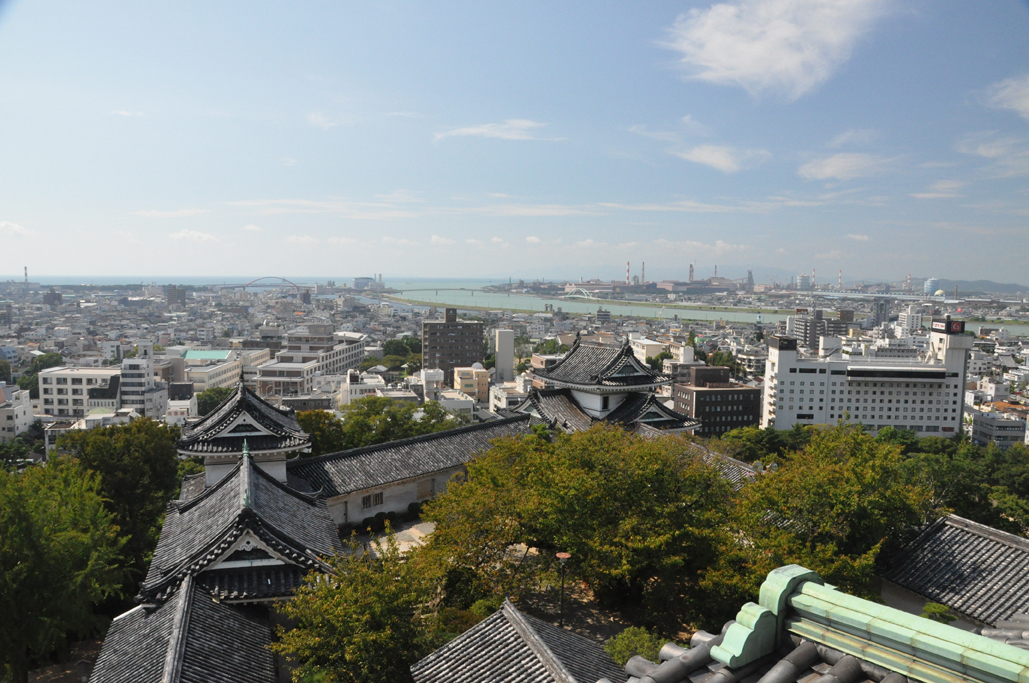 Characteristic of Edo Period construction, Tenshukaku, Otenshu, Kotenshu, and several turrets, are all connected to form one circular building around a courtyard. The Castle, which before World War 2 was designated a National Treasure, burnt to the ground during World War 2 bombing raids. In 1958, the people of Wakayama rallied to rebuild their beloved castle, constructing a replica of the Edo Period original. The park surrounding Wakayama Castle can be enjoyed in all seasons, but it is especially popular in the spring during the cherry blossom season, when the park becomes alive with cherry blossom viewing parties which often carry on late into the night.
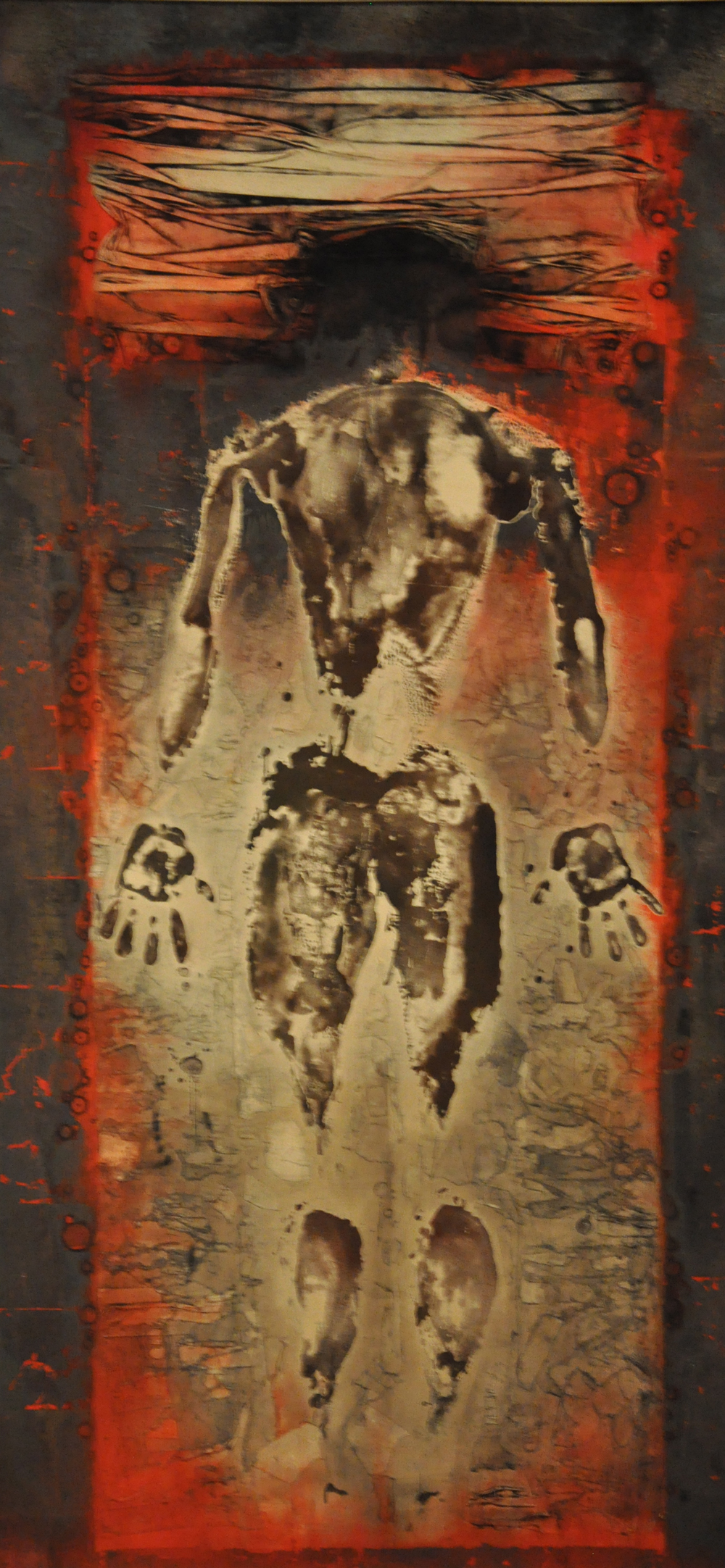
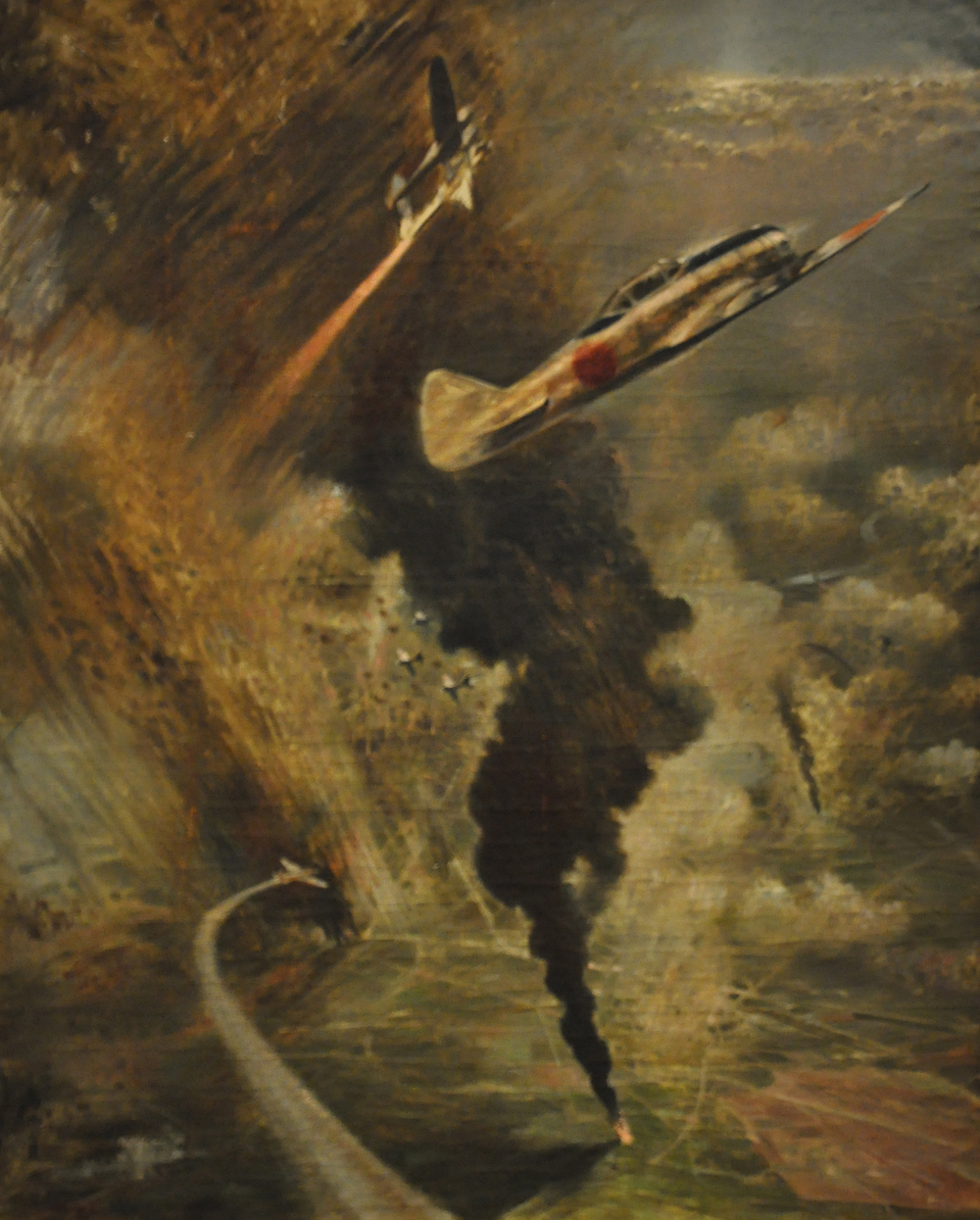
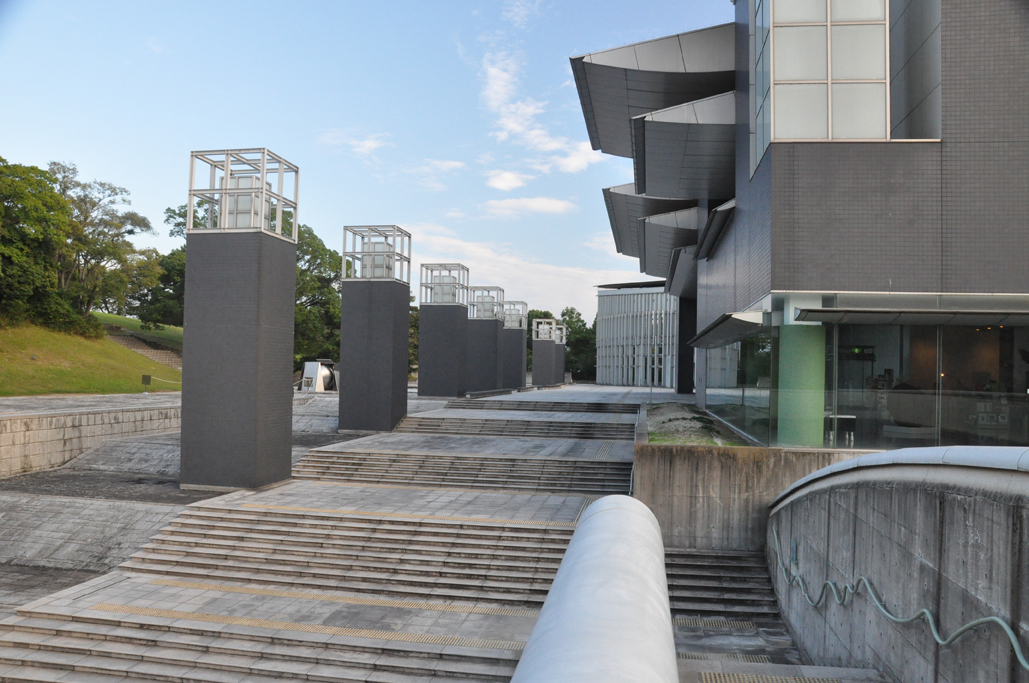
While in Wakayama I had a chance to see "Teiji Takai—The Painter of the Showa period" at the Museum of Modern Art.
This was a retrospective show of Teiji Takai (1911-1986), who was raised up in Koyaguchi, Wakayama. The painter first came to attention in 1930, at the age of 19, when the 17th Nikaten
(annual show of Nikakai Artists Association) accepted his work Civilization. His motifs
like airplanes, machines and buildings were reflection of his pure longing for modern
times and he drew attention of Seiji Togo or other representative modern artists,
recognized as a budding painter.
Inspired by the urbanized culture of the early Showa period, he pursued his own
paintings. On the other hand, he also took up illustration in various magazines.
Besides he set up new exhibition groups with his many fellow painters, and played an
active role in an artists group Kyushitsukai, whose members aspired for new
expression.
After the 1931 Manchurian Incident, art in Japan was expected to have some specific
social role. In order to meet the demand, he followed in the steps of mural painting
movement in America: he sought appealing motifs and theme in China where he
recorded military scenes as a painter. His realistic representation of the native people
and things acquired a good reputation. After World War II, he moved to New York
and started afresh as an abstract painter. His works were shown in many exhibitions
not only in Japan also in the US.